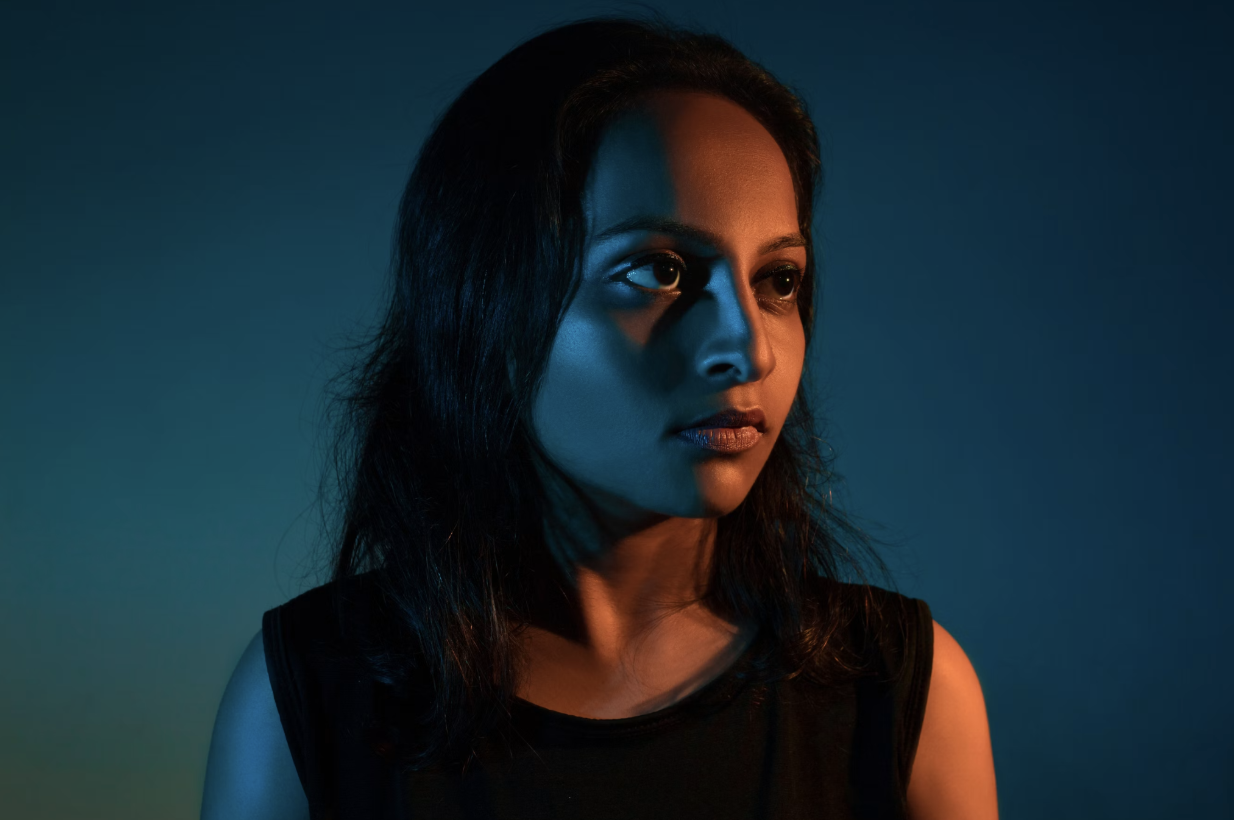
Ask any AI image tool for "the same person" a second time and watch it hand you a stranger. That's the wall most creators, marketers, and indie developers run into once they move past a single cool image and try to build an actual character, a virtual model, or a recurring face for a brand.
The tools below take different routes into that problem. Some focus on consistency across photos and video, some on speed, some on broader content creation with AI generation folded in. Here's what each one actually does and who it fits.
Lucidpic is built to solve the "different stranger every time" problem directly. You train a custom AI person from a handful of photos, and from there you can generate new images of that same face in different outfits, poses, and settings, plus video, instead of starting over with a new face on every prompt.
That consistency is the whole point of the tool, and it's what separates it from generators built purely for one-off image generation. Outfit swapping works the same way, changing what a generated person wears without touching the face or body you already locked in.
Lucidpic also runs on more than 40 image models, so the visual style isn't stuck on one look, and it supports custom LoRA imports for creators who want a specific trained style baked in. A REST API is also available, which means developers can wire the character-consistency engine directly into their own apps instead of only working through the web interface. That combination makes it a fit for anyone who needs the same virtual person to show up believably across a whole campaign, product line, or video series, not just a single still.
Adobe Firefly is Adobe's generative AI layer for image, video, and audio, and its biggest advantage is where it lives: inside the same ecosystem as Photoshop and the rest of Creative Cloud. Paid plans come with unlimited generations on image models up to 4K and select video models, including Veo 3.1 Fast and Kling 3.0 for the first year, plus full access to Photoshop on web and mobile.
Pricing is tiered by credits. The Standard plan runs $9.99/mo for 2,000 generative credits, Pro is $29.99/mo for 7,000 credits, and Premium is $199.99/mo for 50,000 credits. It's rated 4.1 out of 5 on Capterra.
The catch is that Firefly is built around a production pipeline, not a dedicated character-consistency workflow, so it suits someone already living in Adobe's apps more than someone who just wants a repeatable AI face fast.


Perchance.org is the low-friction option on this list. There's no signup required, generation is free, and the site even lets you build your own custom generators for specific prompt styles. It's a reasonable place to explore an idea before committing time anywhere else.
That casual setup comes with a tradeoff, reflected in a 2.8 out of 5 rating on Trustpilot. It's a better fit for quick idea boards and low-stakes experiments than for a project that needs a consistent, production-ready character.
Generated Photos focuses on AI-generated faces and full-body images cleared for commercial use, with what it describes as straightforward licensing. Its Human Generator adds full-body poses and outfits on top of face generation, aimed at giving buyers more variation without murky rights questions.
Pricing runs from a free basic tier up to $250 per month. The Face Generator plan is $19.99 per month or $199 per year; the Human Generator is $199 per year, one-time images start at $9 each with bulk pricing available, and API access starts at $250/month. It's a solid pick for someone who needs licensed stock-style faces on a per-image or per-download basis rather than a single character reused across a whole project.
Kapwing is a broader content creation and editing platform rather than a dedicated AI person generator, covering video, GIFs, images, and audio with tools like auto-subtitling and text-to-speech. It's built for creators and small teams who need to produce and repurpose a lot of content quickly, a use case covered in more depth in this guide on how AI receptionists and related AI tools are changing lead generation workflows.
The free plan covers basic features, with paid tiers at $16/month for individuals and small groups and $50/month for Pro features. Trustpilot shows a 1.9 rating, while Software Advice shows a higher 4.4, a gap worth keeping in mind when weighing which platform to trust for your own testing. Kapwing's strength is editing and repurposing existing content, not generating a consistent AI person from scratch.
Vondy positions itself as a general AI platform rather than a specialized image or video generator, aimed at speeding up analytical and creative tasks and scaling usage as needs grow. It runs on a subscription model, with a free tier and paid plans that unlock higher usage limits and additional apps.
Because Vondy spans a wide range of AI apps rather than one focused function, it's better suited to someone who wants a single account for many small AI tasks than someone chasing a specific, repeatable character across images.
HeyGen is built specifically for AI video generation, taking text, an image, or audio as input and turning it into a complete video with narration, captions, visuals, and animation. That makes it a strong option when the end goal is a finished video rather than a library of still images.
Because the focus is video assembly from an input, it's less about building or reusing one specific AI person across many separate projects and more about producing a single polished video from whatever you feed it.
Creatify is built around advertising specifically, generating image and video ads and producing what it describes as unlimited variations in minutes. For a marketing team that needs many ad versions fast, that speed is the draw, and pairing strong visuals with copy is worth understanding on its own, as this breakdown of how images in marketing emails affect sales and lead generation lays out.
The tradeoff is scope. Creatify is purpose-built for ad output, so it's a narrower tool than a general AI person generator, and it's the right call specifically when the deliverable is an ad campaign rather than a standalone character or image library.
Your pick here really comes down to what "consistent" needs to mean for your project. If you're already deep in Photoshop and need generation folded into a production pipeline, Adobe Firefly's Creative Cloud integration is hard to beat. If you just want to test a prompt idea for free with zero setup, Perchance covers that. If licensed stock-style faces per download are the goal, Generated Photos has clear per-image and subscription pricing built for that. Kapwing, Vondy, HeyGen, and Creatify all solve real problems, but each is built around a different core job, whether that's content repurposing, general task automation, video assembly, or ad variations.
For anyone whose actual problem is generating the same person believably across dozens or hundreds of images and videos, in different outfits and settings, without them drifting into someone new, Lucidpic is the option built specifically for that. The combination of character training from a handful of photos, outfit swapping, 40+ image models, and a REST API for developers makes it the standout when consistency, not just image quality, is the requirement.
 AI tools to find & convert leads.
  Send emails at scale