
UGC management is the silent bottleneck in modern influencer marketing. Run a campaign with 100 creators and you face a deluge: photos scattered across Instagram, videos buried in email chains, usage rights documented in outdated spreadsheets, and no straightforward way to repurpose winning content across email, ads, and storefronts. GRIN centralizes many workflow elements, but its UGC library and content automation are part of a broader suite rather than purpose-built for high-volume content operations. Teams managing dozens to hundreds of creators often discover that a dedicated UGC platform with visual quality scoring, semantic search, automated rights tracking, and one-click repurposing is what separates a workable program from a truly scalable one.
Influencer Hero pairs the largest creator database on the market with an integrated UGC library that auto-detects tagged content, scores visual quality, and makes repurposing frictionless. The alternatives below offer specialized approaches to the same problem: some emphasize deep content organization and semantic search, others focus on automated rights management, and still others build repurposing directly into their platforms. Each solves different bottlenecks in content-operations workflows at scale.
GRIN's UGC tools are functional but broad rather than specialized. Here's where scaling content operations into a bottleneck: manual rights tracking requires email parsing and spreadsheets, which is error-prone and time-consuming when managing hundreds of pieces. Finding specific content by theme or product is slow without AI-powered semantic search. GRIN's search works for basic queries but lacks understanding of content semantics and aesthetic themes. Visual quality scoring is absent, which means teams manually review creator work or rely on raw follower counts and miss the quality signal entirely. Repurposing a winning piece of UGC into an email banner, Instagram ad, or landing page image takes multiple tools and manual export/import cycles. And at $25,000/year minimum on a 12-month contract, GRIN's pricing doesn't scale with content volume: a 10-creator program and a 500-creator program pay the same, even though content footprint grows exponentially. Teams that prioritize content operations efficiency often evaluate platforms built specifically for UGC automation, rights management, and repurposing.
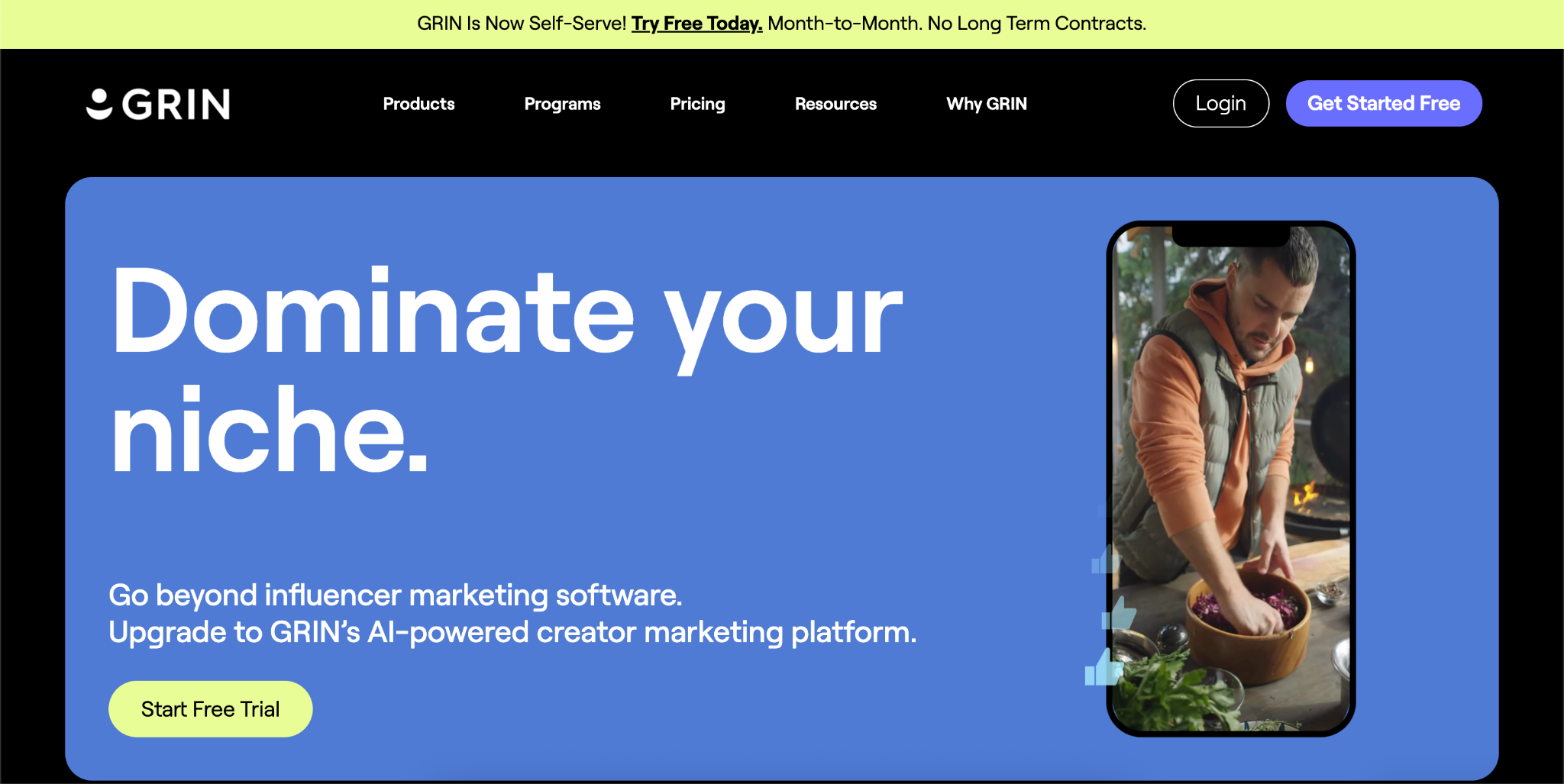
GRIN consolidates the full influencer lifecycle (discovery, outreach, contracts, gifting, content, and analytics) in a single dashboard. The UGC library auto-collects content from tagged influencers and surfaces it in a searchable feed. Media rights are documented at booking, and a centralized repository makes asset management far more organized than email chains and shared drives. For teams already embedded in GRIN's workflows, the integration is seamless, and the platform does handle high-volume UGC collection reliably.
The content-operations concern is depth: GRIN's UGC tools are functional but broad. Visual quality scoring is absent, semantic search is basic, and repurposing UGC into ads or landing pages requires exporting and re-uploading into separate design tools. Combined with GRIN's $25,000/year minimum and mandatory 12-month contract, teams that prioritize content operations efficiency often evaluate platforms built specifically for UGC automation and rights management. The alternatives below lead on exactly that.


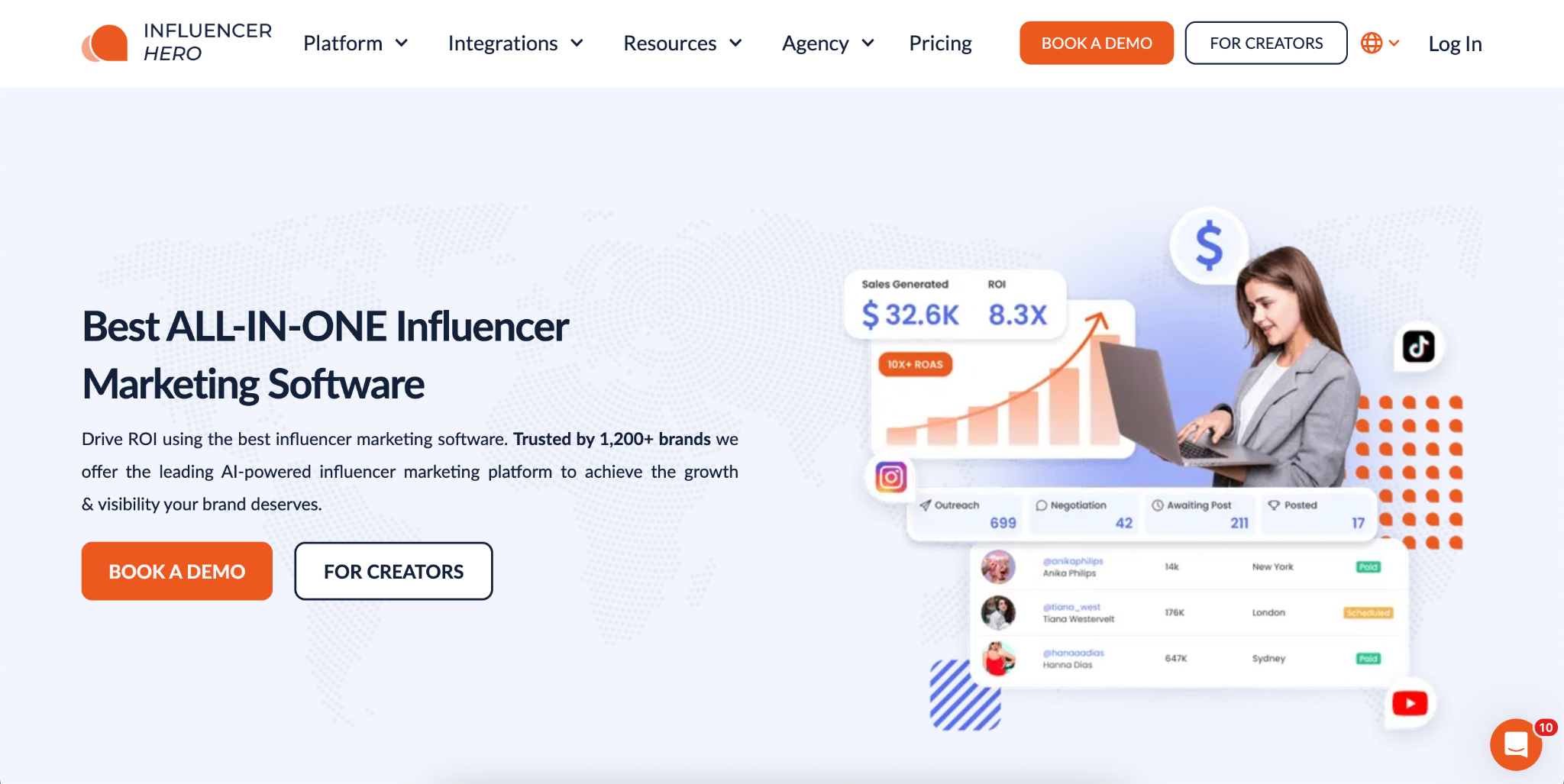
Auto-detection captures tagged content across Instagram, TikTok, YouTube, Reels, and Stories in real-time. Visual Quality Score (0-10) surfaces the best work automatically. Semantic search finds content by product, theme, or aesthetic. Rights management is embedded: agreements tracked at deal creation, with automated rules flagging content cleared for ads. Aspect-ratio filtering exports correctly sized assets for every channel.
Pricing: Standard $649/month (200 UGC, 1 seat); Pro $1,049/month (500 UGC, 3 seats); Business $2,490/month (1,500 UGC, 8 seats). Month-to-month billing, no annual contract.
Best for: High-volume campaigns (50+ creators) needing auto-capture, quality scoring, and one-click repurposing.
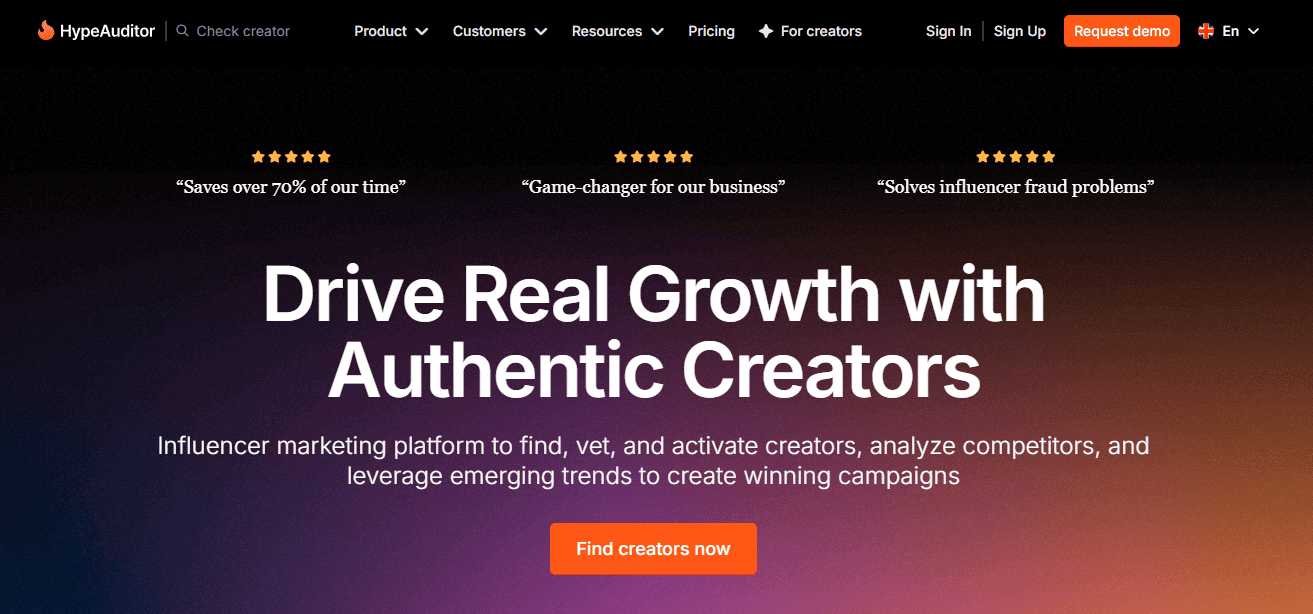
AI scores content on engagement potential, emotional tone, and aesthetic consistency. Social listening tracks which creator content drives organic brand mentions. Performance scoring tells you which content will likely resonate before you publish.
Pricing: Business ~$10,000/year; Enterprise up to ~$60,000/year. Best for analytics-driven teams prioritizing content quality as a performance predictor.
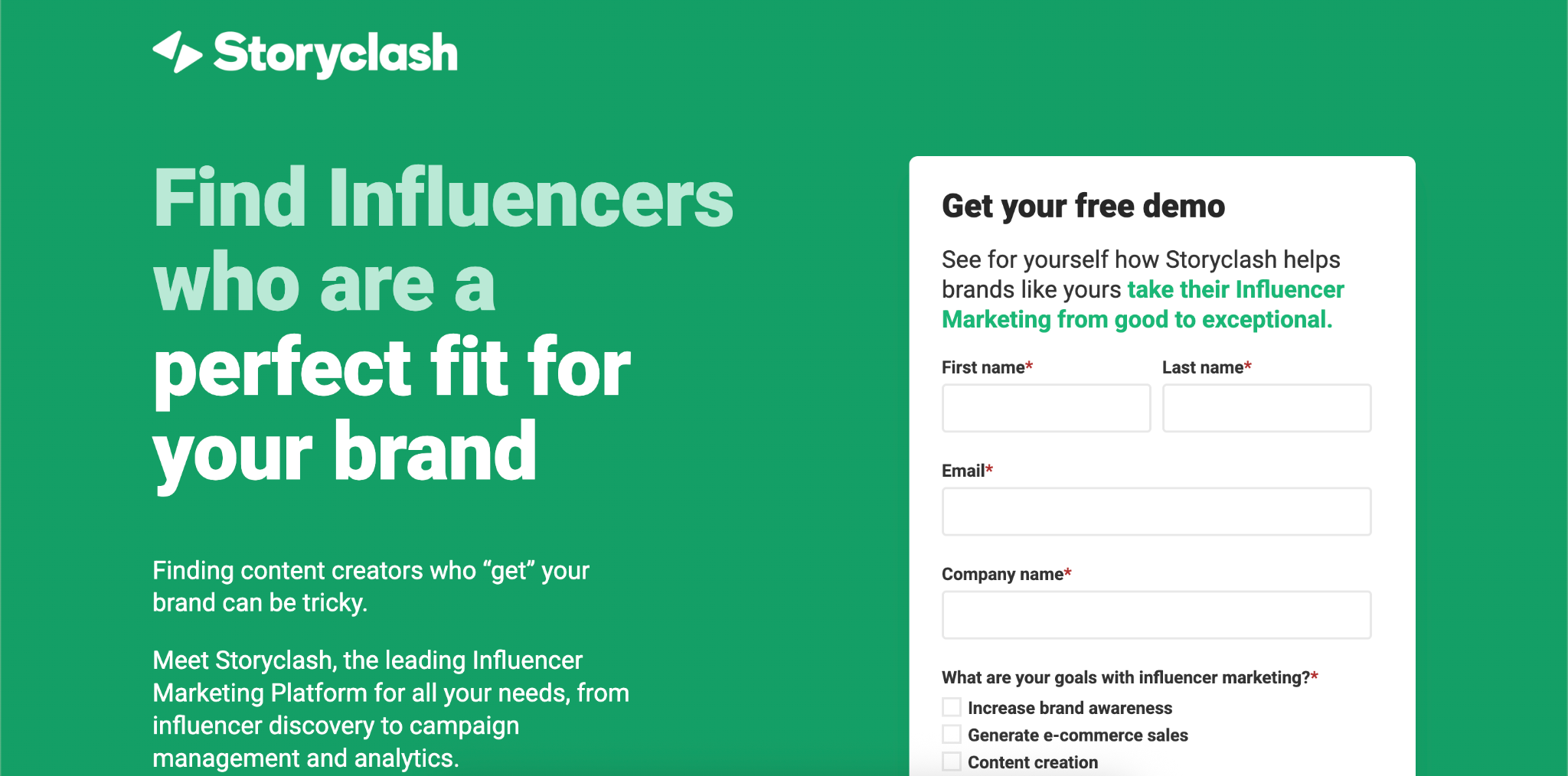
Archives expired Stories for full track record of creator output over time. Ties content performance to ROAS via Shopify integration, letting you identify which UGC actually drove sales. Content-to-revenue attribution shows exactly which pieces to repurpose into ads and email.
Pricing: Business $870/month; Enterprise custom. Best for Shopify brands wanting to measure historical content performance and identify high-performing UGC.
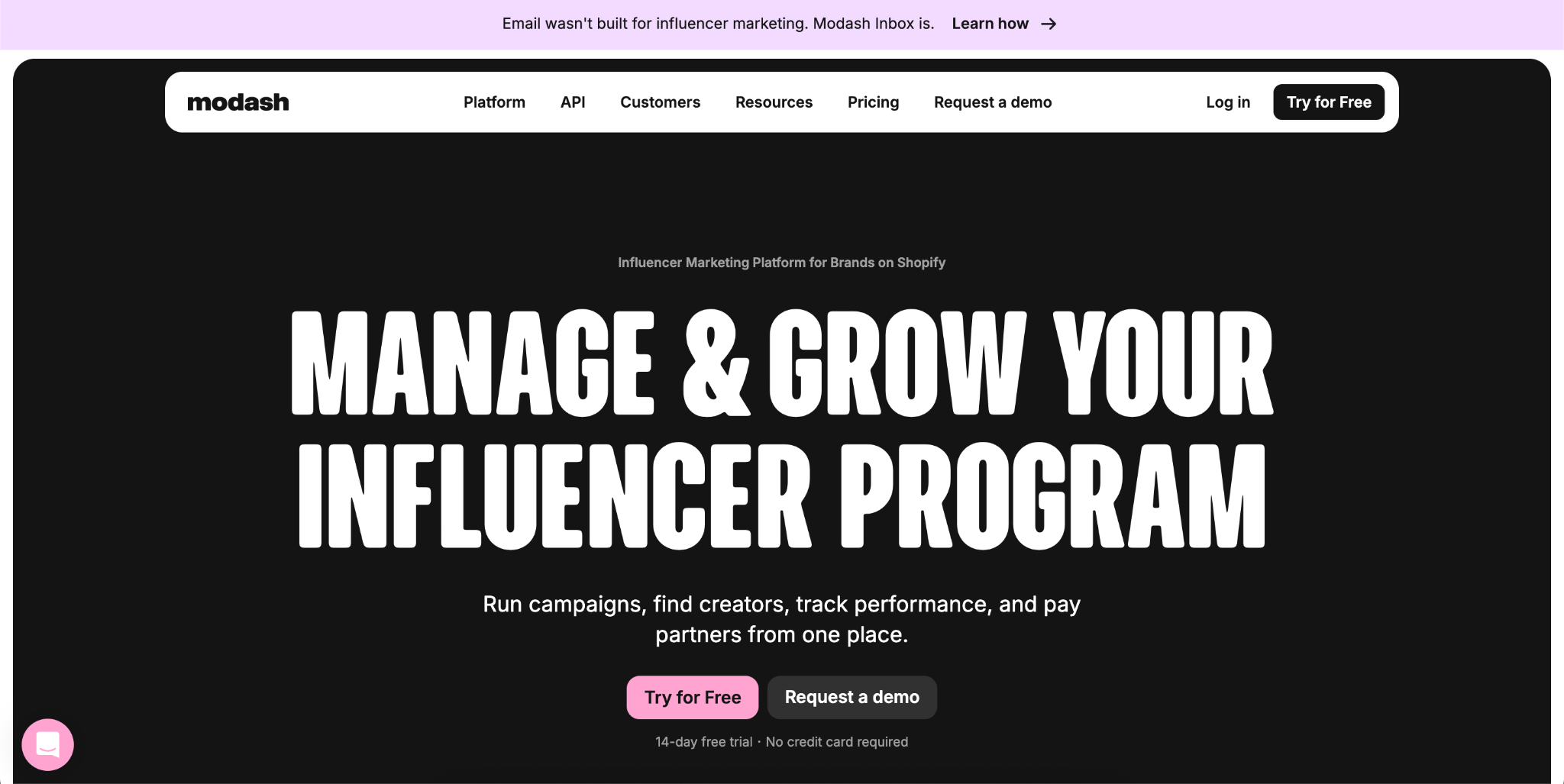
Flag and rate creator work directly in the CRM. Track campaign performance, mentions, hashtags. Shopify integration connects content pieces to clicks and conversions. Find Your Fans identifies existing customers as potential creators.
Pricing: Essentials $199/month (annual); Performance $499/month (annual). Best for Shopify-first teams integrating content tracking into discovery workflow.
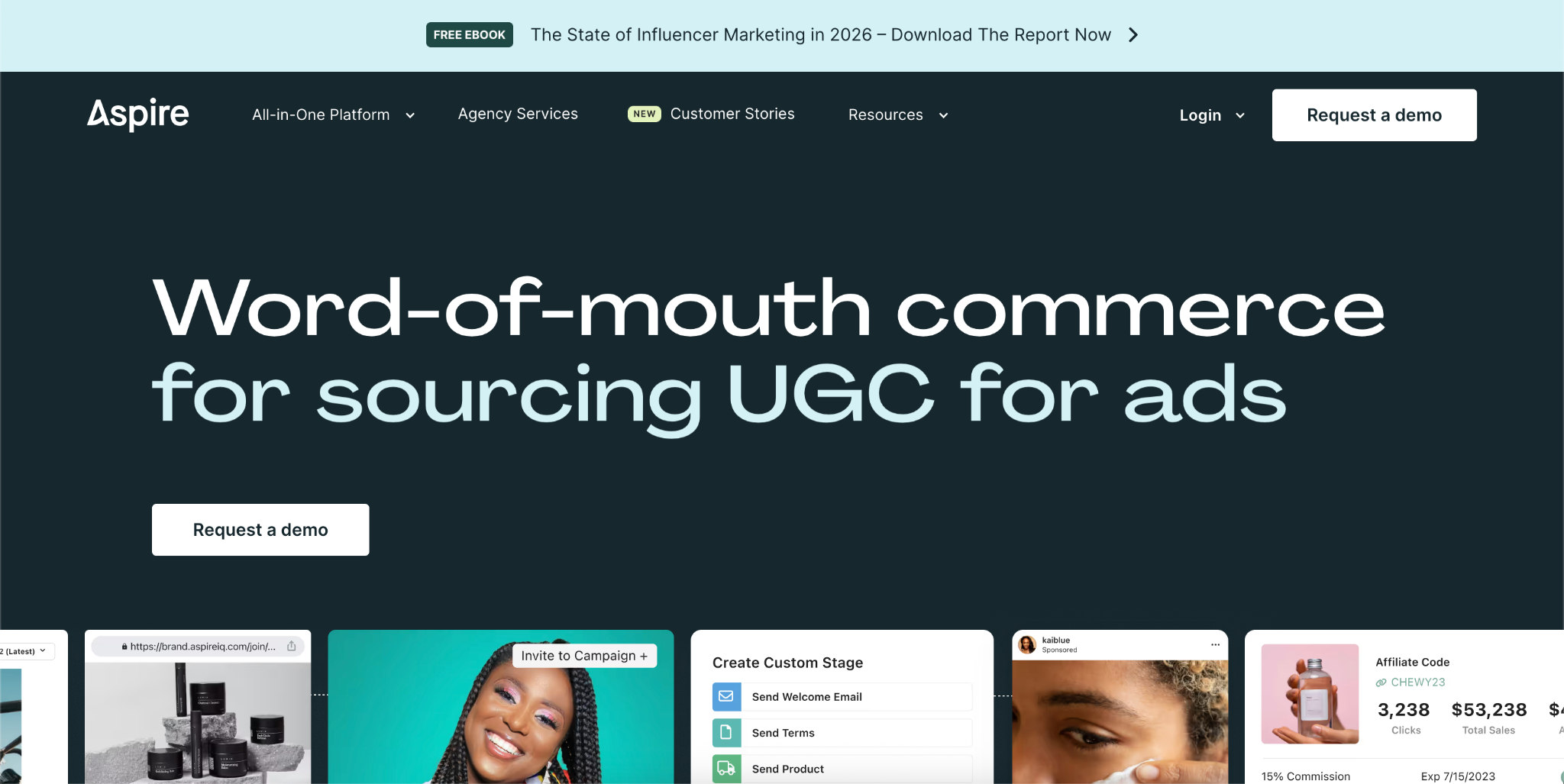
Auto-generates asset library from campaign UGC, tagged with creator, campaign, and performance metrics. Inbound model means creators grant usage rights at application, eliminating manual documentation. Full lifecycle campaign management with contracts, approvals, and tracking.
Pricing: Custom; mid-tier ~$2,300/month. Best for recognized brands preferring inbound applications with automated rights capture.
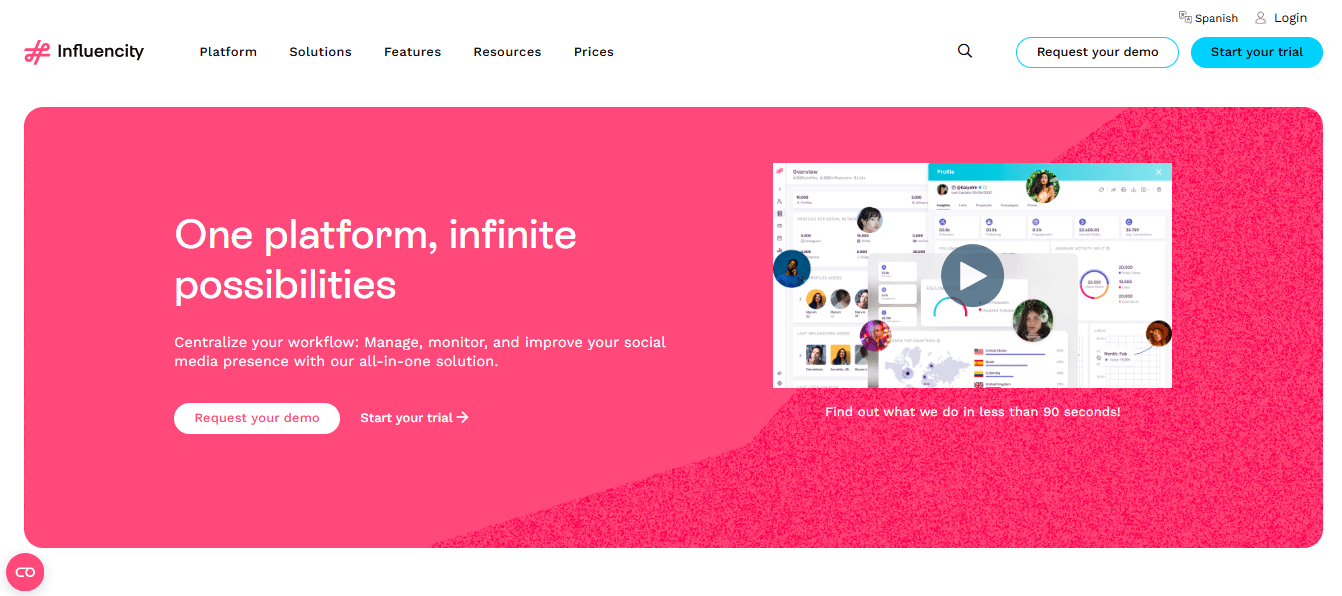
Influencity pairs a large database with AI-powered search and lookalike functionality, positioned as an affordable all-in-one platform for mid-market teams. Its lookalike discovery is particularly useful for scaling a vetted roster: find creators similar to your proven performers, then evaluate them in the same workflow. A visual Kanban CRM organizes prospects through pipeline stages, and direct Shopify integration connects sourcing to sales attribution. Flexible post tracking adapts to different program structures, all at approximately $3,800/year.
Pricing: Starts at approximately $3,800/year. Best for mid-market teams wanting affordable AI search and lookalike discovery with visual pipeline management and Shopify revenue attribution.
SocialLadder approaches UGC from a customer-loyalty angle: it turns your customers into brand ambassadors via gamified challenges. Creators post content, SocialLadder auto-detects it, and you grant points redeemable for rewards. The platform captures usage rights upfront at ambassador join, eliminating manual documentation. The community-building angle also creates repeat content from top ambassadors rather than one-off posts, and native eCommerce integration tracks which ambassadors drive repeat purchases and referrals.
Pricing: Starts at $2,000/month. Best for brands with strong customer loyalty wanting to turn repeat customers into content creators via gamification and measure ROI on lifetime value.
UGC is the engine of modern influencer marketing, and the content matters more than the influencer's follower count. Yet most platforms treat UGC as a secondary feature, buried inside broader campaign-management suites. If your influencer program is outputting hundreds of pieces of content monthly, your UGC tool deserves as much attention as your discovery platform or CRM. The strongest campaign management cannot rescue a roster of unvetted content, just as vetting cannot fix poor content quality.
For brands that want maximum reach plus verification built into the sourcing flow, Influencer Hero pairs the largest creator database with integrated UGC management and visual quality scoring. HypeAuditor adds analytics rigor if content quality is mission-critical. Storyclash ties historical content to revenue via Shopify. Modash integrates content tracking into Shopify affiliate workflows. Aspire automates rights capture for inbound campaigns. Influencity provides affordable all-in-one management for mid-market teams. SocialLadder creates repeat content from ambassadors. GRIN remains capable, but its UGC features are part of a broad suite rather than purpose-built for content operations at scale.
Match the platform to your content workflow, team size, and campaign volume. The right tool saves your team hours every week and multiplies the ROI of every creator partnership.
Volume depends on creator tier and campaign scope. A macro-influencer (100K+) typically delivers 3-5 pieces for a month-long campaign, while micro-influencers (10K-100K) often deliver 1-3 pieces. At scale across 50-100 creators, a three-month campaign can easily generate 100-500 pieces of content. A robust UGC library is essential at that volume to manage, organize, and track performance.
Quality is both visual and strategic. Visually, it means good lighting, clear product visibility, and on-brand aesthetic. Strategically, it means the content resonates with your target audience and performs well in terms of engagement, clicks, and conversions. Visual quality scoring tools like Influencer Hero help identify promising pieces, but tying performance data back to content (via Storyclash or Modash) gives you the full picture of what works.
Capture usage rights at deal creation, not after. Tools like Influencer Hero and Aspire do this upfront: usage terms are set when the creator accepts the campaign, not as an afterthought. Store documentation in your UGC platform so your team knows at a glance which pieces are approved for ads, email, storefronts, and other channels.
Keywords: UGC library management, content automation influencer marketing, visual quality scoring, semantic search content, usage rights tracking, UGC repurposing tools, high-volume content organization
 AI tools to find & convert leads.
  Send emails at scale