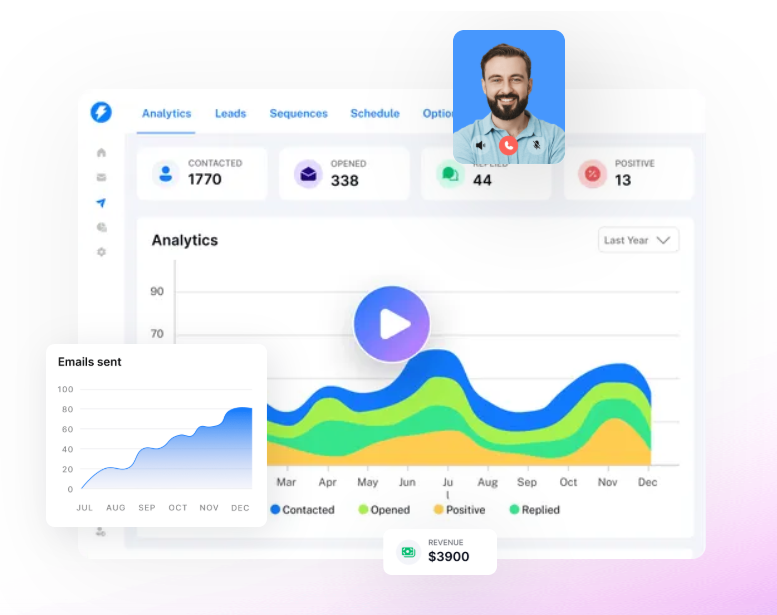
Lead generation is the lifeblood of any business. Without a steady stream of qualified leads, sales pipelines dry up, growth stalls, and marketing efforts lose momentum. But generating leads is only half the battle—analyzing and optimizing your campaigns is what separates successful marketers from the rest. Understanding what works, what doesn’t, and why allows you to allocate resources more efficiently and improve your conversion rates over time.
With the sheer number of tools and platforms available today, it can feel overwhelming to know where to start. From CRM systems to analytics dashboards, AI-driven automation, and QR-based solutions, the key is to find tools that deliver actionable insights without creating unnecessary complexity. In this article, we’ll explore some of the best tools for analyzing and optimizing your lead generation campaigns, sharing practical strategies and examples you can implement immediately.
Before diving into tools, it’s crucial to understand the metrics that actually drive lead generation success. Not all data points are created equal. Focusing on irrelevant metrics can lead to wasted effort and poor decision-making.
Key metrics to monitor include:
Lead quality: Are your leads actually interested and likely to convert?
Conversion rate: How many leads turn into paying customers?
Cost per lead (CPL): How much are you spending to acquire each lead?
Source performance: Which channels are generating the most qualified leads?
Engagement metrics: Email opens, click-throughs, and form completions help measure interest.
Having clarity on these metrics allows you to evaluate tools more effectively. Any platform you use should provide insights into these areas and make it easy to drill down for actionable takeaways.
Customer Relationship Management (CRM) systems are no longer just a place to store contact information. Modern CRMs such as HubSpot, Salesforce, and Zoho CRM include built-in analytics to track lead behavior, pipeline performance, and overall campaign effectiveness.
For example:
HubSpot provides dashboards showing lead activity, conversion trends, and revenue attribution.
Salesforce enables custom reporting to highlight which campaigns or marketing channels generate the highest-quality leads.
Zoho CRM tracks engagement scores to help prioritize outreach.
The advantage of using a CRM is that you can analyze data directly where your leads live. This reduces the need to export multiple spreadsheets and gives you a clearer picture of the customer journey.

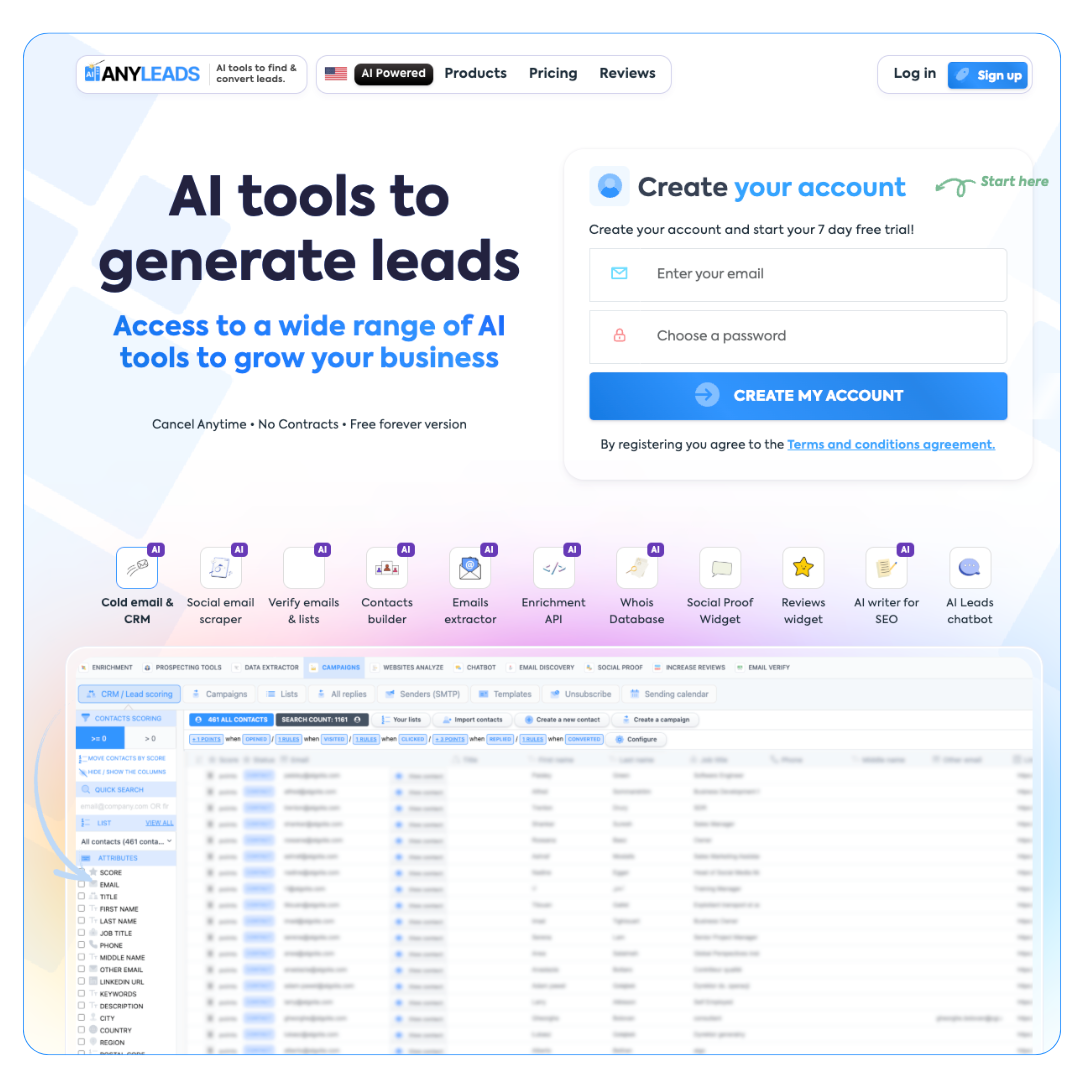
Email campaigns remain a central component of most lead generation strategies. Platforms like Mailchimp, Sendinblue, and ActiveCampaign offer detailed analytics on opens, clicks, bounce rates, and engagement trends.
By tracking these metrics, you can determine:
Which subject lines perform best
The optimal time and frequency for sending emails
Which types of content resonate with your audience
Additionally, some tools provide automated recommendations, such as resending unopened emails with adjusted messaging. Integrating email analytics with your CRM ensures that you understand both engagement and conversion outcomes.
Your website is often the first touchpoint for leads. Tools like Google Analytics, Hotjar, and Crazy Egg provide insight into how visitors interact with your pages.
Google Analytics tracks traffic sources, bounce rates, and goal completions.
Hotjar offers heatmaps and session recordings to help you see exactly how users navigate your site.
Crazy Egg visualizes clicks and scroll behavior, highlighting bottlenecks or underperforming sections.
For lead generation, understanding which landing pages convert best and why is critical. Even small adjustments, such as changing a form layout or button placement, can significantly improve lead capture.
Automation platforms like Pardot, Marketo, and ActiveCampaign are increasingly leveraging AI to analyze lead data. These tools can predict which leads are most likely to convert, suggest optimal outreach times, and even personalize messaging automatically.
AI tools are especially helpful when managing large campaigns or multiple channels. They can identify patterns humans might miss, such as subtle behavioral signals or multi-touch attribution across campaigns.
For example, integrating AI-driven analytics with your CRM can help you prioritize leads in real time, ensuring that your sales team focuses on the highest-potential opportunities.
QR-Based Solutions for Offline Lead Tracking
Not all leads originate online. Trade shows, events, and physical stores still generate valuable leads, and tracking them effectively can be challenging. Fortunately, several QR code platforms help businesses bridge offline interactions with digital analytics and CRM workflows.
QRNow — Helps businesses capture lead information instantly through QR scans connected to landing pages, forms, and CRM systems. Ideal for tracking brochure campaigns, event booths, and in-store engagement.
Beaconstac — Offers dynamic QR codes with analytics, retargeting integrations, and campaign tracking features for marketers running omnichannel campaigns.
QR Code Generator Pro — Popular for branded QR campaigns, allowing businesses to customize codes, monitor scans, and connect offline marketing materials with online experiences.
Flowcode — Focuses on mobile-first engagement with QR experiences designed for events, retail displays, packaging, and creator campaigns.
By linking QR codes to landing pages or forms, businesses can gather accurate data and feed it directly into CRM systems. This bridges the gap between offline and online lead tracking, giving teams a complete view of campaign performance. For instance, placing QR codes on brochures or product displays makes it easier to measure which physical assets generate the most engagement and conversions.
Using QR-based tracking also supports smarter remarketing. Once a lead scans a QR code, businesses can follow up with personalized emails, offers, or retargeting campaigns based on the visitor’s interests and interaction history.
Social channels are a significant source of leads for many businesses. Platforms like LinkedIn, Facebook, and Instagram provide built-in analytics to monitor engagement, clicks, and conversions.
Tools like Hootsuite, Buffer, and Sprout Social aggregate these metrics across multiple platforms, allowing you to evaluate which posts or campaigns are generating the most qualified leads.
Additionally, social analytics often reveal demographic and behavioral insights about your audience, which can inform future campaign targeting and messaging.
Data alone isn’t enough—you need to take action. Running A/B tests on subject lines, landing page copy, call-to-actions, or lead capture forms helps you determine what resonates with your audience.
For example, testing two different headlines on a lead magnet page can reveal which wording drives higher conversion. Similarly, experimenting with form lengths or button colors can lead to measurable improvements. Over time, this iterative approach ensures that campaigns continually optimize for results.
Finally, consolidating your data into a central reporting dashboard is key. Tools like Tableau, Power BI, or Google Data Studio allow you to pull in CRM, email, web, and QR-based analytics into one view.
Having a single source of truth simplifies decision-making. Instead of jumping between multiple platforms, you can track campaign ROI, identify underperforming channels, and make informed adjustments quickly.
Analyzing and optimizing lead generation campaigns requires both the right tools and a systematic approach. From CRM dashboards to AI-powered insights, email analytics, QR-based tracking, and A/B testing, each tool provides a unique perspective. The real power comes from combining them to get a complete picture of how your campaigns are performing.
Incorporating tools like QRNow for offline lead tracking or integrating AI insights with your CRM allows you to capture more leads, follow up efficiently, and close more deals.
Remember, data is only valuable if you act on it. By understanding your metrics, personalizing outreach, and continually iterating, you can turn raw leads into loyal customers and ensure every campaign contributes to sustainable growth.
 AI tools to find & convert leads.
  Send emails at scale