
Managing an active job site comes with structured planning, clear team communication, and strict safety standards. Every site supervisor faces tight timelines, tight budgets, and changing weather conditions. Simplifying daily job site operations keeps crews safe and financial plans on track from start to finish.

Image source: https://unsplash.com/photos/jxmEbSLuhyM
Financial planning for temporary power starts long before heavy machinery arrives on site. Project managers should set aside 1% to 2% of total project costs for temporary site services combined. Allocating these funds early prevents sudden budget shortfalls mid-construction.
Proper wiring installation demands strict compliance with federal safety regulations from day one. Official guidelines under OSHA 29 CFR 1926.405 mandate specific standards for temporary electrical power distribution. Following these rules protects workers from electrical shock hazards and avoids expensive project delays.
Setting up reliable power lines early allows secondary trades to start work immediately. Plumbers and drywall installers need steady electricity to operate heavy tools. Early power planning creates a smooth transition between build phases.
Setting up reliable field infrastructure creates a foundation for everyday operations. Sourcing trustworthy temporary utilities for project sites keeps equipment powered up and teams working smoothly for all weather conditions. Having dependable infrastructure on hand eliminates delays caused by unexpected power loss or limited water access.
Supervisors need to assess site demands before bringing major equipment onto the lot. Scheduling utility hookups well in advance keeps specialty trades working on schedule without downtime. Proper prep work creates a productive, safe working environment for every worker.


Contractors are turning to digital solutions to manage complex building operations. Adopting technology-focused management strategies improves crew performance, safety standards, and profit margins in 2026. Digital platforms give site leaders real-time visibility into daily job progress.
Modern project management demands complete connectivity across teams. Unifying communication tools for all subcontractors keeps every crew aligned on daily site priorities.
Aerial surveying equipment offers immediate visibility into site progress. Unmanned aerial drones gather precise spatial data quickly. Site managers use these aerial views to track material stockpiles and verify earthwork progress.
Electrical safety demands careful planning around high-traffic zones on the job site. Positioning power outlets in strategic locations allows tools to run without stringing power cords. Clear walkways protect workers from trip hazards and prevent severe cable wear.
Daily equipment checks keep power systems running smoothly without unexpected shutdowns. Under official grounding programs, crews visually inspect cords, plugs, and outlets every morning before work begins alongside periodic continuity tests. Catching damaged cords early prevents electrical fires and shock injuries.
Wet weather conditions create serious electrical hazards on active construction sites. Field records show dozens of severe accidents occur on wet job sites every year from improper power handling. Keeping connection points dry and elevated off muddy ground protects workers during heavy rainfall.
Providing clean hygiene stations keeps workers healthy and boosts team morale across long projects. Satisfactory welfare facilities require a baseline ratio of at least a clean restroom for every 20 workers on site. Maintaining sanitized facilities reduces sick leave and supports continuous productivity.
Position clean restrooms near main work zones to minimize unnecessary travel time
Place handwashing stations with soap and fresh water near designated dining areas
Provide shaded break spaces to shield crews from extreme summer heat
Restock sanitation supplies daily before the morning work shift starts
Proper maintenance of break zones encourages better rest during scheduled breaks. Rested trade workers make fewer mistakes and maintain sharper focus throughout long work shifts.
Clear communication channels prevent misunderstandings between general contractors and trade crews. Holding short morning huddles sets clear expectations for productivity targets. Open channels allow workers to report safety hazards immediately before accidents occur.
Short standup huddles keep trade leaders informed about ongoing site activity. Reviewing heavy machinery movements prevents spatial conflicts in shared work zones. Clear direction every morning keeps trades operating safely and efficiently.
Establishing digital messaging channels speeds up problem-solving when unexpected issues arise on site. Field crews can snap photos of site obstacles and send them directly to project engineers. Fast feedback loops keep construction moving forward.
Material deliveries require structured scheduling to prevent site congestion and traffic jams. Staggering truck arrivals keeps access roads clear for emergency vehicles and active machinery. Designated staging areas keep building materials organized and protected from bad weather.
Proper inventory management decreases material waste and keeps site pathways clear. Moving materials directly to active work zones cuts down on double handling and extra labor hours. Neat staging areas lower safety risks and improve workplace efficiency.
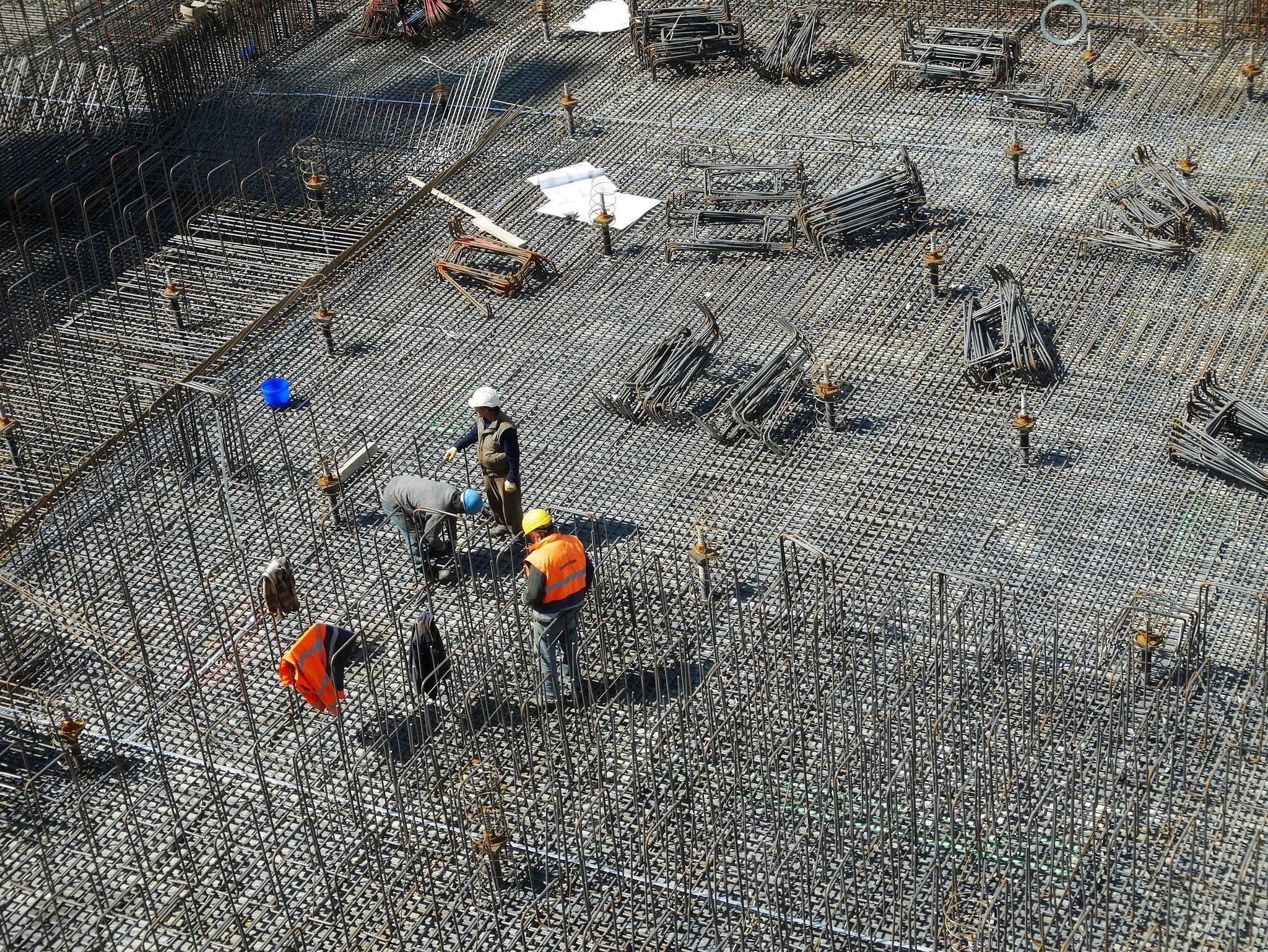
Image source: https://pixabay.com/photos/construction-site-1359136/
Effective job site leadership calls for thorough planning, solid safety protocols, and smart tool usage. Implementing structured utility plans and clear daily communication keeps projects moving forward safely. Careful oversight turns complex construction sites into safe, productive, and profitable workplaces.
 AI tools to find & convert leads.
  Send emails at scale