
Fashion e-commerce runs on the same loop it always has: design a product, photograph it, list it, market it, repeat. What's changed is how much of that loop now involves AI. A new colorway used to mean a new sample. A new market used to mean a new photoshoot. Today, a growing number of fashion brands are handling both with software instead of a production calendar.
This isn't a story about one flashy AI feature. It's about a dozen smaller shifts, in photography, sizing, inventory, customer support, that are adding up to a faster and cheaper way to run a fashion e-commerce business.
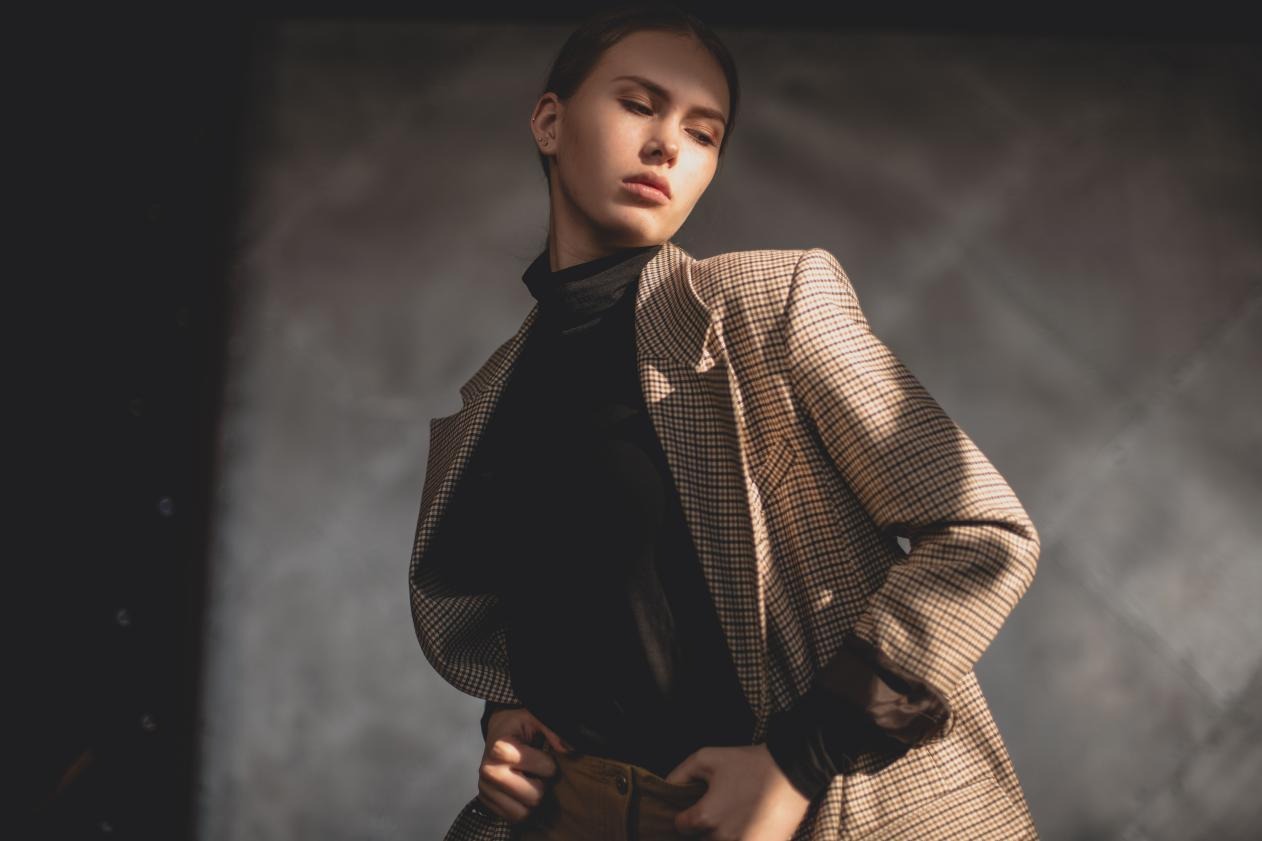
Product photography has always been one of fashion e-commerce's biggest fixed costs. A brand needs clean, consistent images for every SKU, in every colorway, sometimes across several markets with different model expectations. That used to mean booking a studio, a model, and a photographer for every batch of new inventory.
AI image generation tools are changing that math. Some platforms can place a garment on a virtual model, generate multiple poses or backgrounds from a single product photo, or produce campaign-style imagery without a physical shoot. Fashion Diffusion AIis one example, letting brands generate try-on visuals and model shots directly from existing product photos instead of scheduling a new session for every variation.
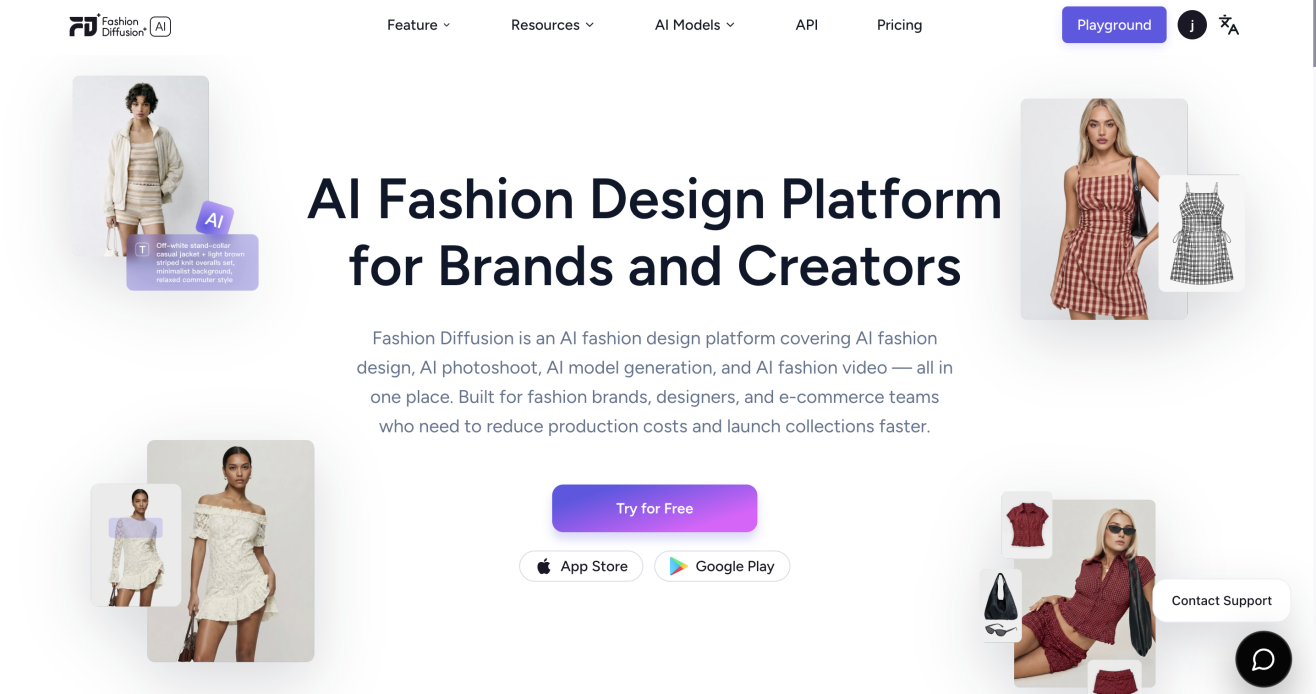
For smaller brands, this is less about novelty and more about budget. A team that could previously afford one shoot per season can now test more colorways, more markets, and more campaign angles without the cost scaling in the same way.
Personalization in e-commerce used to mean a recommendation widget or a retargeted ad. In fashion, it's starting to mean something closer to the shopping experience itself: sizing tools that account for a shopper's actual measurements, visual search that finds a product from a photo instead of a keyword, and style recommendations based on past purchases rather than generic bestseller lists.
This matters because fashion has one of the highest return rates in retail, and a large share of those returns come down to sizing and fit, not the product itself. A shopper who can see a more accurate preview of how something fits before buying is a shopper who's less likely to send it back. For a category where returns quietly eat into margin more than almost any other cost line, that's not a minor improvement.

Fashion has always been hard to forecast. Trends move fast, seasons don't line up neatly across regions, and overordering a style that doesn't sell is one of the fastest ways a brand erodes its margins. Machine learning models that pull in historical sales data, regional demand patterns, and even social trend signals are giving merchandising teams a sharper read on what to produce and how much of it to make.
The result isn't perfect forecasting, nothing is, but it's noticeably better than the spreadsheet-and-gut-feeling approach many mid-sized fashion brands were still relying on a few years ago.
AI chat and support tools in fashion e-commerce have moved past basic order tracking. They're now handling sizing questions, suggesting in-stock alternatives when an item sells out, and walking shoppers through returns without pushing them to abandon a cart out of frustration. For brands selling across time zones, that kind of always-on support has gone from a nice extra to something close to a baseline expectation.
None of this points toward a fully automated fashion brand, and it shouldn't. Design decisions, brand identity, and garment quality still come down to people, not software. What's changed is how much of the surrounding work, photography, sizing guidance, demand planning, support, can now run with a smaller team and a smaller budget than it used to require.
Brands that have adopted this well tend to share one pattern: they didn't try to overhaul everything at once. Most picked the single stage causing the most friction, usually content production or customer support, proved out the savings, and expanded from there. That's likely how AI keeps spreading through fashion e-commerce over the next few years: not as one big transformation, but as a steady replacement of whatever part of the process is slowest and most expensive right now.
 AI tools to find & convert leads.
  Send emails at scale