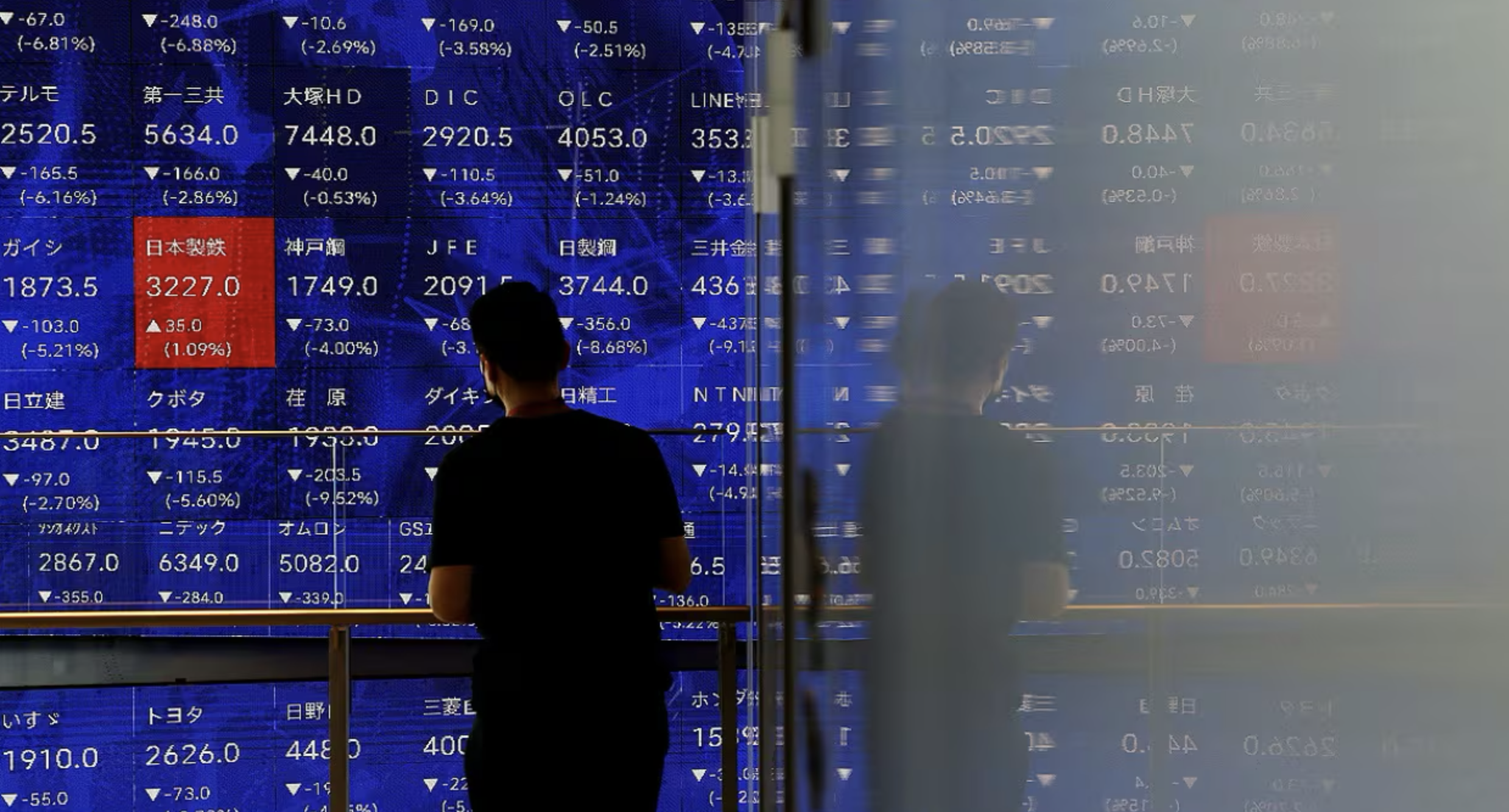
Finance content does not look like it used to. A guy in a hoodie sits behind a robotic voice reading stock tickers. A new video drops every single day. Most of these channels never had a camera crew. Some never had a real face behind them at all.
Stock trading channels picked AI video tools up faster than nearly every other content niche. And the pace shows no sign of slowing down.
Faceless channels turn a script into a video without anyone stepping in front of a camera. A creator writes the script, picks a voice next, and then feeds it into a generator. A finished clip lands in under an hour.
Anonymous trading channels used to feel shady. But not anymore.
They now run on the same production stack as brand tutorials and product demos. Video quality no longer signals whether the person behind the account actually trades. A shaky webcam used to be the giveaway for a low-effort channel. Now, the polish tells you nothing about the trader underneath it.
Some of the biggest finance accounts on TikTok and YouTube Shorts never show a human at all. A stock illustration, a voice clone, and a caption track carry the whole video.
Viewers do not seem to mind. Watch time is watch time. The algorithm does not check whether a face is real.
Stock content goes stale within days. A video about a ticker that ran last week is dead weight by Monday. Creators in this niche post daily. Some post twice a day. The algorithm rewards channels that catch a stock right as it moves.
That pace demands a pipeline most solo creators cannot sustain alone. Somebody has to track the market and flag what is moving. They have to hand off a script before the story goes cold.
Plenty of finance channels start with a trading newsletter or a public watchlist, then build the video around it.
Scan a page of current penny stock opportunities. A single read can turn into three days of scripts, especially during a week when small caps are running hot.
Timothy Sykes has published lists like this for years. He built a following on watching penny stocks, then teaching other people to watch them too. Creators mine pages like his the way a newsroom mines a wire service. Nobody credits the source on screen. The research trail is right there if you look for it.


AI tools solve two problems for a trading channel: who shows up on camera and how fast the video gets made.
A digital avatar reads the script. It never blinks wrong or fumbles a ticker symbol on take four. No lighting rig to fuss with. No reshoot because the host mispronounced a company name.
Some creators run one avatar across a hundred videos. The channel stays consistent even when three different freelancers wrote the scripts behind it.
A handful of finance channels go a step further and clone their own voice once, then reuse it forever. The creator never has to sit down and record again. A new script goes in on a Tuesday morning. A finished video comes out before the market opens.
A stock can jump 40% before lunch. By dinner, nobody remembers it moved at all. Waiting three days for a clean edit means the video launches into silence.
Text-to-video tools and voice cloning cut that turnaround from days down to hours. Speed matters more in this corner of content than in almost any other category out there.
A trading channel does not need cinematic lighting or a color grade. It needs the video live while the ticker is still trending. Chase polish over speed in this niche.
A competitor who posts the same story four hours earlier keeps the views.
Voice cloning handles the narration. Avatar generators handle the face. Auto captions handle the part where half the audience watches on mute during a commute.
None of this counts as exotic tech anymore. It reads closer to a checklist than a skill.
Channels that skip captions leave views on the table. I would argue it is the single biggest unforced error in this niche.
Muted autoplay is how most people discover finance content on their phone now. Skip the captions and the video loses that whole audience in the first three seconds, before the pitch even lands.
Stock charts and price overlays round out the toolkit. A generated clip with a live-looking candlestick chart pasted over it reads as more credible to a viewer than plain narration, even when the chart is a static screenshot from an hour ago. That is a small trick, and it works.
AI handles the video, but it does not handle the trade.
A generator turns a script into a polished clip. It cannot tell you whether a stock deserves a spot on a watchlist. It cannot separate a real catalyst from a promoter running a pump. That call still belongs to a person reading charts and checking volume.
The strongest trading channels treat AI as the production crew, not the research desk. Mix up those two jobs, and a channel will end up posting confident nonsense about a stock nobody actually checked. The comments section notices that, too.
A generated avatar reading a bad stock tip still sounds confident. That confidence is the actual danger here. A shaky, unpolished video with real research behind it beats a slick avatar reading a script nobody fact-checked, every single time.
Expect the distance between a one-person trading channel and a full production team to keep shrinking.
The tools are cheap now. The barrier to a polished video is close to gone.
The creators who win from here will spend the time they saved on research, not on posting more filler. The ones who do not will just be the loudest voice in a very crowded room.
 AI tools to find & convert leads.
  Send emails at scale