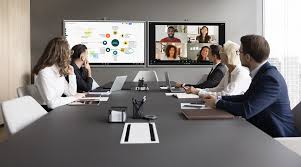
Corporate training has changed dramatically over the last few years. Employees expect more than a projector and a whiteboard. They want immersive, interactive experiences that respect their time and actually help them learn. That shift is exactly why AV integration has become a game-changer for organizations that take employee development seriously. If your training room still runs on outdated technology, you are likely losing productivity, engagement, and money. This guide breaks down how modern AV integration transforms corporate training rooms into powerful learning environments that deliver real results.
AV integration is not simply about installing a big screen or setting up a sound system. It refers to the process of integrating multiple audiovisual technologies, such as displays, microphones, cameras, speakers, and control systems, into a unified, easy-to-use environment. Instead of dealing with a tangle of separate devices, each requiring its own setup, a properly integrated system lets your trainers and employees walk in, press a button, and get straight to work.
For corporate training rooms specifically, this matters more than most people realize. A training session where the audio cuts out, the screen resolution is poor, or the video conferencing tool refuses to connect does not just frustrate attendees. It erodes confidence in the organization and wastes valuable hours. In contrast, a seamlessly integrated AV setup keeps the focus where it belongs: on learning.
Working with a professional AV integration company Mondo Media Solutions, Anixter or Kinly, for example, means your technology is designed around how your team actually uses the space. Every component is chosen and configured to work together, rather than bolted together as an afterthought. The result is a training environment that is intuitive, dependable, and built for how modern workforces operate.
Interactive displays are at the center of any high-performance training room. Unlike passive screens, these panels let trainers annotate content in real time, pull up resources on the fly, and encourage participants to interact directly with the material. The result is a more dynamic session that keeps attention sharp and makes complex topics far easier to absorb.
Audio quality is just as important, yet it often gets overlooked. In a training room where participants sit at different distances from the speaker, inconsistent audio creates fatigue and disengagement fast. Modern integrated audio systems use multiple microphones, ceiling speakers, and sound-processing technology to deliver clear, even sound throughout the room. Every participant hears every word, without strain.
Together, a high-quality display and a well-calibrated audio system form the foundation of an effective training environment. You do not need the most expensive hardware on the market. You need hardware that works together seamlessly, and that is exactly what professional AV integration delivers.
Hybrid work is no longer a temporary adjustment. For many organizations, it is the new standard. Your training room needs to support in-person and remote attendees equally, and that requires more than a basic webcam propped against a laptop.
Professional AV integration brings together auto-tracking cameras, directional microphones, room controllers, and platform-agnostic conferencing software to create a hybrid experience that feels natural for everyone involved. Remote participants can see and hear clearly. In-room attendees are not distracted by technical failures. Presenters can manage content, participants, and room controls from a single interface.
This level of connectivity does not happen by accident. It requires careful planning, proper equipment selection, and expert configuration. That is why organizations serious about hybrid learning invest in professional AV integration rather than trying to piece together consumer-grade tools on their own.

There is a well-documented connection between the quality of a learning environment and the outcomes it produces. Poor audio and visual conditions force learners to work harder just to follow along, which leaves less cognitive energy for actually retaining information. Fix the environment, and retention improves almost automatically.
AV integration addresses this problem at its root. Clear visuals reduce misunderstandings. Consistent audio keeps participants present rather than zoned out. Interactive tools give attendees a reason to participate rather than passively sit through a session. These are not small improvements. Over time, they translate into measurable gains in how well your team absorbs and applies training content.
Collaboration also gets a significant lift. In a well-integrated training room, participants can share content from their own devices to a central display, annotate shared materials, and contribute to group exercises without any technical friction. That kind of frictionless interaction encourages the sort of peer learning that formal instruction alone rarely achieves. Your training dollars stretch further because the environment itself does part of the teaching.
One concern many organizations have is that technology investments become outdated quickly. That concern is valid, but it is also addressable. A well-designed AV integration strategy accounts for growth from the start. Rather than locking you into one specific set of hardware, professional integration often uses modular, standards-based components that can be upgraded or expanded as your needs change.
For example, if your organization grows from fifty employees to five hundred, your training room setup should be able to scale accordingly. That might mean adding additional display zones, upgrading cameras to support larger rooms, or integrating new software platforms as they become standard in your industry. A thoughtfully integrated system gives you that flexibility without requiring a full overhaul every few years.
Beyond hardware, scalability also applies to how your training content is delivered. A properly integrated AV system supports multiple content formats, from live video to recorded sessions to interactive modules, all from the same infrastructure. You are not stuck in one mode of delivery. As training methods change, your room changes with them. That adaptability is what separates a strategic technology investment from a short-sighted purchase.
AV integration is not a luxury reserved for large enterprises. It is a practical investment that directly improves how your team learns, collaborates, and grows. From better engagement and retention to scalable technology that adapts over time, the benefits are tangible. If your current training room is holding your people back, now is the right time to rethink the setup and build an environment that actually works for them.
 AI tools to find & convert leads.
  Send emails at scale