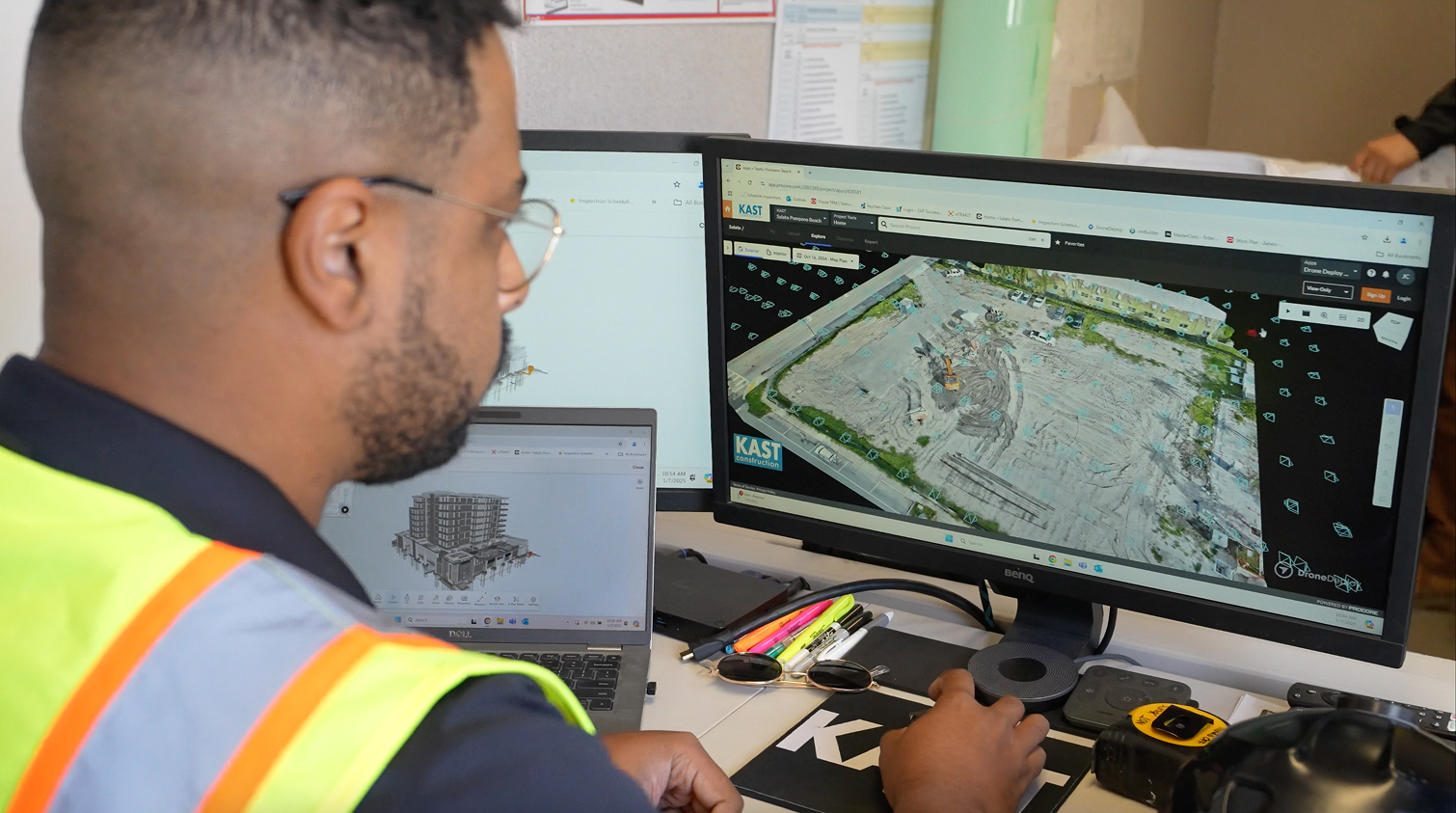
Construction progress involves the efforts of many people, varying work schedules and special conditions that are often hard to follow as they happen. One way to address this issue is to rely on reports, photographs, and measurements, as well as inspect active zones and completed work. However, implementing artificial intelligence in construction can make drone videos an effective tool to learn about ongoing processes, recognize what has already been done, and anticipate potential delays. With that, project supervisors would receive more data about worksites to base their management decisions on. This paper will discuss automation, the recognition of zones on hold, and the overall use of technology in the construction industry.
Using Automated Progress Reports
Artificial intelligence can be trained on videos taken by drones to recognize updates and changes in the construction zone. By analyzing consecutive drone footage, one could determine what details of construction have appeared and anticipate how they have changed since the last day of active work, week, or month. As a result, supervisors do not have to personally inspect every detail of the construction site in its entirety. Such automated progress reports would allow project managers to rely on images taken from above rather than the visual and verbal description and inspection provided by personnel.
With that, supervisors could assess the progress made against the designed program better when they used AI-derived reports. If automated analyses recognized that construction in a certain section was later than anticipated, companies could adapt their schedules to address the delay. Further, the technology could store data in a structured manner for easier access and file organization based on sections and levels and identify what part deserves special attention. It is especially important for high-rise buildings and commercial complex construction since such projects require much more supervision than residential housing construction.
Automated Analyses of Delays & Zones on Hold
Delays occur when specific materials or equipment arrive late or become unavailable due to other incidents. In any case, the construction process is impacted in terms of the overall schedule, making such occurrences require special attention. Artificial intelligence, when used in construction, could help locate sections of the project that were not updated during the last day, or week, or month. Although drone footage would not identify all reasons for potential delays, such supervising tools would be useful for identifying work zones that need special attention. At the same time, the drone and AI-assisted analyses could be conducted earlier than wait for projects to reach a standstill. With that, supervisors would have more time and data to determine factors affecting ongoing work and take corrective measures.
Further, AI could identify potential issues in the construction zone, like safety problems, and supervise changes taking place on the site depending on the system’s design capabilities. For instance, if the technology stored certain data about the progress of construction, it could determine access to certain zones. Artificial intelligence could highlight possible blockages or changes in organization. Supervising tools would support human inspectors by giving them more data to consider when determining issues. Supervisors would then rely on the results of the automated processes and consult with personnel before determining what action, if any, should be taken.
The AI Tools in Project Supervising and Construction Management Systems
Supervising tools in construction could be further assisted by connecting their results to overall construction management systems in the context of the project’s schedule and plan. Doing that would reduce the time spent on cross-referencing data and report findings since automated construction reports would already include relevant findings. At the same time, companies would benefit from using the same system to update project managers and stakeholders about the observed changes. Moreover, construction management systems could include drone videos and AI data for the benefit of supervisors.
For instance, some companies could analyze changes in construction using AI and compare them to Building Information Modeling and general blueprints to observe what has changed. Supervisors would then benefit from the ability to observe whether the existing details of the project fit the designed structures and update their personal evaluations accordingly. However, manual and professional supervision should be used as the deciding factor when determining measurements and specific conditions in construction projects. Overall, by linking the results of AI analyses to existing construction management data, supervisors minimize the effort spent on reporting and update stakeholders based on automated information.
Construction Business and Increased Reporting Efficiency
Automated construction report tools can increase the efficiency of communication between clients, investors, partners, contractors, and other stakeholders. Drone video services would be able to collect and organize drone footage into recognizable patterns, analyze changes and recognize those relevant to the project, as well as identify specific locations for report creation and stakeholder updating. That way, businesses do not have to request that all stakeholders visit the construction site, and each party receives information about the zones of interest. Companies that take on the task of recording videos for businesses can assist in the use of construction AI report tools. Further, all sides involved should consider the technology used to record and store data to minimize the number of necessary updates and maintain the ability to compare similar recordings.
Thus, businesses considering the implementation of AI tools in drone services should anticipate the ability of the construction programs to analyze the footage. Companies should also consider the accuracy rate and the potential issues of interpretation when using AI in construction in favor of supervised, manual processes. Finally, stakeholders should ensure that all necessary aviation regulations, permissions, zones, and security considerations are taken into the account.
Conclusion
In general, AI in construction can be utilized as a reporting and supervising tool. When integrated, artificial intelligence can update construction projects about changes, delays, and overall work in favor of decreased manual supervision and increased efficiency of communication. Construction businesses can maximize the benefits of AI-powered report construction tools by integrating them with existing programs for easier cross-referencing and reduced manual updating. Doing that will allow the companies in charge of a construction project to update stakeholders and maintain accurate project data without wasting time and resources on reporting in general. In combination with human analysis, such AI tools would minimize issues with delays and updates while increasing the accuracy of reporting compared to a verbal inspection of a completed construction section.
 AI tools to find & convert leads.