
The internet is a massive space. Have you ever wondered why some shops always seem to have the right price at the right time? They are not just lucky. Most top brands use software to watch every move in the competitive landscape. Because the market moves fast, e-commerce teams must use competitive intelligence to stay in the game. It is the process of collecting and checking details about other players to improve your own results.
Since over 90% of Fortune 500 companies use these methods, smaller shops need to keep up to survive. While some think it is just about costs, it covers everything from what people want to how other brands talk to customers. Companies that ignore the competitive signs often lose market share without knowing why.
To win, you must look beyond your own sales reports. A good strategy starts with a clear competitor analysis ecommerce plan. This means you identify who sells similar items and how they reach their buyers. Are they using social media ads or focusing on search engines?
By gathering this data, you can see where they are weak. If a rival has poor reviews on a specific item, you can promote your better version. Plus, watching their stock levels helps us know when they run out of items. This allows for raising ads when they cannot fulfill orders.
| Feature | What to Track | Why it Matters |
| Pricing | Hourly changes | Helps you stay the cheapest or most premium. |
| Inventory | Out of stock alerts | Shows when you can steal their customers. |
| Reviews | Negative feedback | Highlights gaps in their service or products. |
| Ads | Keywords used | Shows which search terms are making them money. |
Costs on sites like Amazon change every ten minutes. If you only check your rivals once a week, you are already behind. Use tools to monitor competitors around the clock so you never miss a shift. Since 82% of shoppers say price is the top factor in their choice, even a small difference matters.
But intelligence is not just numbers – it is a weapon. If you see a competitor launch a new collection, you can react by offering a discount on similar lines. This keeps customers from switching brands. And for efficiency, use market intelligence tools to handle the heavy lifting. These tools scan the web so you can focus on making plans instead of copying data into spreadsheets.

Manual work is the enemy of growth. To get the best data, ecommerce data scraping pulls info from thousands of pages at once. This requires web scraping tools that can handle complex site structures. If you try to do this from one computer, the sites will likely block you.
To keep up with competitors in real time, e-commerce companies increasingly rely on automated data collection tools that quickly and accurately gather large amounts of market information. Platforms like Apify make this process far easier by providing ready-to-use actors and automation tools for collecting structured data from websites at scale. With Apify, e-commerce teams can build custom scraping workflows or use existing solutions to monitor competitor pricing, product listings, and market trends without managing complex infrastructure.
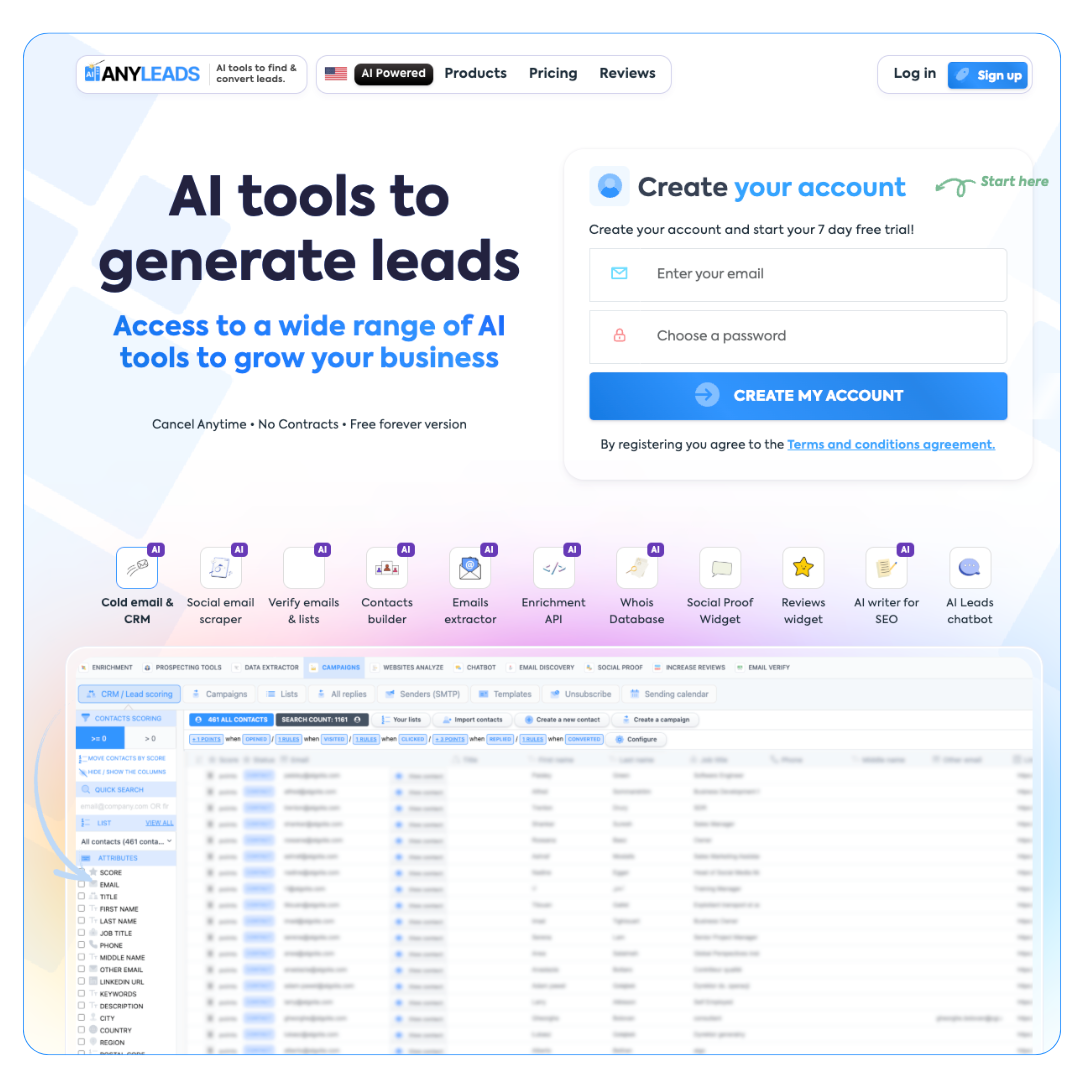
This is why an e-business turns to a high-quality proxy-seller to spread requests across different locations. It makes the process look like normal traffic, which keeps the intelligence flowing. Also, when they need to find new B2B leads or partners, they use an email finder to build outreach lists.
| Name | Starting Price | Best For | Pros | Cons |
| Price2Spy | $26.95/mo | Small to Mid shops | Very affordable | Basic interface |
| Prisync | $99/mo | Growth teams | Great support | Can get pricey |
| Competera | Custom | Large retailers | AI-based pricing | High entry cost |
| SEMrush | $139/mo | Marketing teams | Great for SEO | Not for cost tracking |
A smart strategy is not always about being the cheapest. Sometimes, it is about knowing when you can charge more. Pricing automation can set rules to change your costs based on what others do. For example, if the biggest rival is out of stock, you can raise the price by 5% to make more profit.
Using a dynamic pricing strategy saves hours of work every day. But be careful. If you set the rules wrong, you might start a "race to the bottom" where no one makes money. Honestly, many teams fail here because they do not set a minimum price floor. They let the software cut rates until their margins disappear.
An analysis of product assortments also helps to see what is missing. Do other brands have 50 types of shoes while you only have ten? This gap might be why traffic is lower. By using sales intelligence, you can see which of their items are selling.
Also look at online retail analytics to spot new trends before they peak. If you see a sudden rise in searches for "eco-friendly packaging," update your listings. And with competitor tracking software, you get alerts the second a rival adds a new category to their site.
Market Share: How much of the total sales are yours?
Value Index: Are you 10% higher or lower than the average?
Stock Status: How often are other sellers missing items?
Share of Voice: How often does your brand appear in search results?
The "digital shelf" is where your product sits in search results. If you are on page two, you basically do not exist. Use digital shelf monitoring to see how your rank compares to others. Since most clicks go to the top three results, you must fight for those competitive spots.
Plus, track customer demand trends to know what to stock next month. If data shows that people are losing interest in a certain style, clear your stock early. This keeps us from having money tied up in dead inventory. It's a simple way to keep your cash flow healthy.
While some tools are cheap, a full setup is an investment. You need to pay for the software, the proxies, and the team to manage it. But compared to losing 20% of your sales to a cheaper rival, it's a bargain.
We suggest starting small. Use a basic tracker for your top five competitors first. Once you see the return on your spend, you can scale up to more advanced features. Don't buy the most expensive software on day one. You will likely find it too complex and stop using it within a month.
Success in online retail is about being faster and smarter than the person next to you. Using competitive intelligence gives you the data to act with confidence. While it takes time to set up, the results show up in your competitive profit margins almost immediately.
And because the internet never sleeps, your intelligence collection shouldn't either. Start by picking your top ten items and tracking their prices across three main competitors. You might be surprised at how much money you are leaving on the table.
 AI tools to find & convert leads.
  Send emails at scale