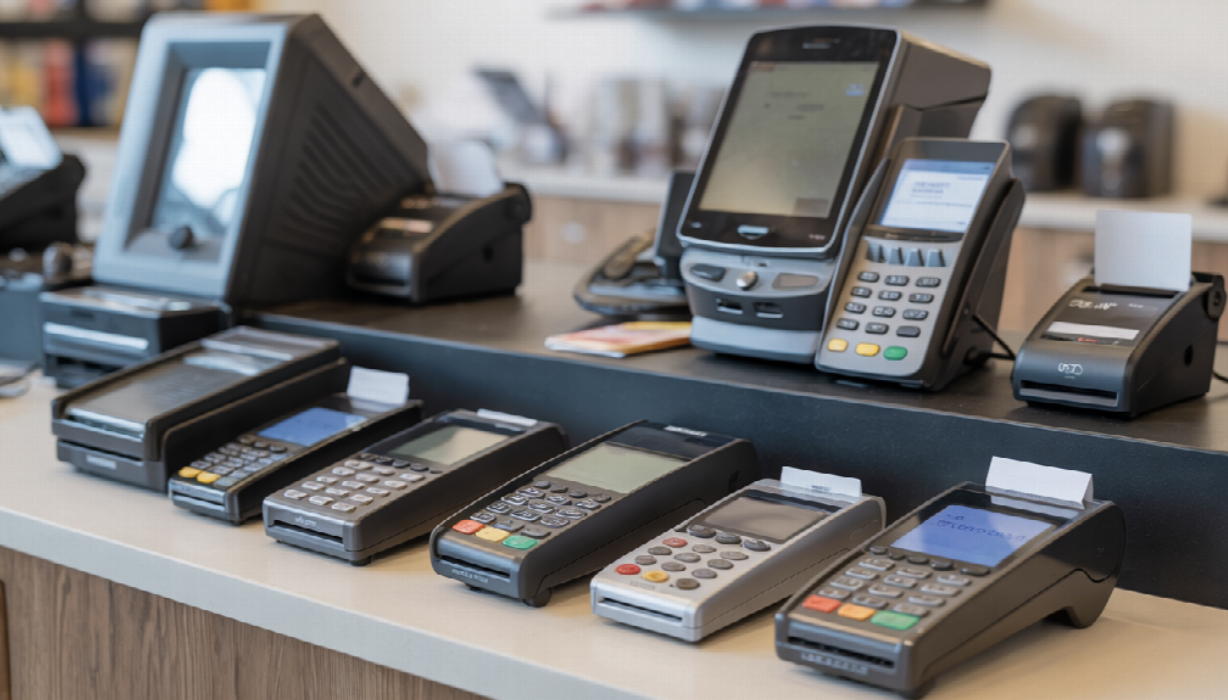
Credit card terminals have evolved from simple payment processors into sophisticated business intelligence tools that shape how companies operate. These devices, now ubiquitous at checkout counters and increasingly mobile, do far more than facilitate transactions—they generate actionable data that helps businesses understand customer behavior, optimize inventory, and make strategic decisions in real time.
The integration of payment terminals with analytics platforms has transformed them into critical infrastructure for businesses of all sizes. As consumer expectations shift toward seamless, secure transactions, understanding how these systems work and what they can deliver has become essential for competitive advantage.
The credit card machine has undergone a remarkable transformation since its inception. The first devices were mechanical imprinters—colloquially known as "knuckle busters"—that physically transferred card details onto carbon paper receipts. These rudimentary tools required manual processing and offered no real-time verification.
The 1970s brought electronic data capture (EDC), which allowed merchants to transmit transaction data electronically rather than batching paper slips for processing. This shift reduced settlement times from days to hours and laid the groundwork for modern payment networks. Magnetic stripe readers emerged in the 1980s, standardizing card formats and improving transaction speed.
By the 1990s, EMV chip technology introduced dynamic authentication, making card-present fraud significantly more difficult. The chip generates a unique code for each transaction, rendering stolen card data useless for future purchases. This security leap coincided with the rise of internet commerce, creating pressure for equally secure in-person payment methods.
The 2000s saw wireless connectivity enable mobile point-of-sale systems, freeing businesses from fixed checkout locations. Today's terminals support contactless payments through NFC technology, biometric authentication, and integration with digital wallets—all while capturing granular transaction data that feeds business intelligence platforms.
Modern credit card terminals function as data collection hubs that extend well beyond payment acceptance. The latest generation of devices incorporates features that address both operational efficiency and customer experience:
Contactless and Mobile Payments: NFC-enabled terminals process tap-to-pay transactions from cards and smartphones in under two seconds, reducing queue times and improving throughput during peak hours.
Omnichannel Integration: Terminals now sync with e-commerce platforms, inventory management systems, and customer relationship databases, creating unified views of sales across all channels.
Advanced Security Protocols: Beyond EMV chips, modern terminals employ point-to-point encryption (P2PE) and tokenization, ensuring that sensitive card data never exists in readable form within merchant systems.
Multi-Currency and Payment Method Support: International businesses benefit from terminals that process transactions in local currencies and accept alternative payment methods like QR codes and buy-now-pay-later services.
Real-Time Analytics: Integrated reporting tools track sales velocity, average transaction values, and peak traffic periods, enabling data-driven staffing and inventory decisions.
Contactless transactions now account for over 50% of card-present payments in major markets, driven by consumer preference for speed and hygiene considerations that accelerated during the pandemic.


Choosing a credit card terminal requires evaluating both immediate needs and future scalability. Businesses should assess several critical factors before committing to a system:
Total Cost of Ownership: Beyond the hardware price, consider transaction fees, monthly service charges, PCI compliance costs, and potential upgrade expenses. Some providers bundle these into flat-rate pricing, while others charge à la carte.
System Compatibility: The terminal must integrate seamlessly with existing point-of-sale software, accounting systems, and e-commerce platforms. Proprietary systems may lock businesses into specific ecosystems, limiting flexibility.
Payment Method Coverage: Evaluate which payment types your customers prefer. Retailers in urban markets may prioritize mobile wallet support, while businesses serving international clients need robust multi-currency capabilities.
Mobility Requirements: Restaurants, delivery services, and pop-up retailers benefit from portable terminals with long battery life and reliable wireless connectivity. Fixed-location businesses may prioritize countertop models with larger screens.
Support and Reliability: Downtime directly impacts revenue. Choose providers with 24/7 technical support, rapid replacement policies, and strong uptime guarantees. Review service level agreements carefully.
Data and Reporting Features: Terminals that provide detailed transaction analytics, customizable reports, and API access for third-party integrations deliver greater long-term value than basic payment processors.
Small businesses upgrading their payment setup have plenty to choose from. Payment Depot, Helcim, and DCCSupply each sell terminals from simple countertop units to mobile systems with analytics, and a solid choice for many merchants depends mostly on how and where you take payments.
Credit card terminals have fundamentally altered the economics of small business operations. What was once a luxury reserved for established retailers has become essential infrastructure for startups and sole proprietors. The ability to accept card payments directly influences customer acquisition, average transaction size, and operational efficiency.
Card payments now represent over 60% of consumer transactions by value, with cash continuing to decline. Small businesses that accept only cash effectively exclude a growing segment of potential customers.
Key benefits for small operations include:
Expanded Customer Base: Accepting cards removes purchase barriers for customers who prefer not to carry cash or need to track expenses through card statements.
Higher Average Tickets: Studies consistently show that customers spend 20-30% more when paying with cards versus cash, likely due to reduced psychological friction in the payment moment.
Improved Cash Flow: Electronic payments settle within 1-3 business days, compared to the immediate but limited nature of cash. This predictability aids financial planning and working capital management.
Reduced Theft and Loss: Electronic transactions create automatic audit trails and eliminate risks associated with cash handling, from employee theft to robbery.
Professional Credibility: Modern payment acceptance signals legitimacy and professionalism, particularly important for service businesses and new market entrants.
However, small businesses must also navigate challenges including processing fees that typically range from 1.5% to 3.5% per transaction, equipment costs, and the technical complexity of maintaining PCI DSS compliance. For businesses operating on thin margins, these costs require careful analysis against the revenue benefits of card acceptance.
Payment terminal technology continues to evolve rapidly, driven by consumer expectations, security requirements, and advances in adjacent technologies. Several trends are reshaping what terminals can do and how businesses will use them:
Biometric Authentication: Fingerprint and facial recognition are moving beyond smartphones into payment terminals, offering stronger security than PINs while speeding up the checkout process. Early deployments in high-security environments are proving the concept for broader retail adoption.
Artificial Intelligence Integration: Machine learning algorithms analyze transaction patterns to detect fraud in real time, predict inventory needs based on sales velocity, and identify opportunities for upselling or promotional timing.
Blockchain and Cryptocurrency Support: While still emerging, some terminal manufacturers are adding cryptocurrency payment options, allowing businesses to accept Bitcoin and other digital currencies alongside traditional payment methods.
Voice-Activated Transactions: Integration with voice assistants could enable hands-free payment authorization, particularly valuable in automotive, healthcare, and accessibility contexts.
Augmented Reality Interfaces: Future terminals may project virtual screens or product information, transforming the payment device into a broader customer engagement tool.
Embedded Finance: Terminals are becoming platforms for additional financial services, from instant lending decisions at checkout to loyalty program management and personalized offers based on purchase history.
Credit card terminals have transcended their original purpose as transaction processors to become central components of business intelligence infrastructure. The data they generate informs decisions across operations, marketing, inventory management, and strategic planning. For businesses seeking competitive advantage, the question is no longer whether to accept card payments, but how to leverage payment data for operational excellence.
As technology continues advancing, the gap between businesses that treat terminals as simple payment tools and those that exploit their full analytical capabilities will widen. Companies that invest in modern payment infrastructure and the expertise to interpret its data will be better positioned to respond to market changes, understand customer preferences, and optimize every aspect of their operations.
The evolution of payment technology shows no signs of slowing. Businesses that stay informed about emerging capabilities and thoughtfully integrate new features as they become available will maintain the agility needed to thrive in increasingly competitive markets.
 AI tools to find & convert leads.
 Send emails at scale