
Successful community events are the lifeblood of any vibrant area. They create connections and shared memories. Behind every packed festival, bustling market, or well-attended local fair, there's a chance to use simple data to make the next one even better. By understanding who attends and what they enjoy, organisers can make smarter decisions, ensuring their events thrive for years to come.
To start using data, you first need to know what to look for. Gathering information about your attendees gives you a clear picture of who your event appeals to and how they experience it. This doesn't have to be complicated; you can begin with simple observations and basic tools.
Here's key information to track:
Demographics: Look at approximate age ranges, and whether attendees are family groups, singles, or couples. You can gather this through ticketing platforms or simple post-event surveys.
Geographics: Postcodes from ticket sales show how far people travel to attend. Are they mostly locals, or are you attracting a crowd from across the region?
Behaviour: When do people arrive and leave? Which stalls, activities, or performances are most popular? Tracking foot traffic hotspots can reveal what truly captures your audience's attention.
Understanding the importance of event data is fundamental. For example, if you notice a big drop-off in attendance after 3 pm, you might schedule your headline act earlier next year to keep the crowd engaged longer.
Collecting data is one thing; knowing what to do with it is another. Turning raw numbers into useful insights requires a specific skill set that's becoming increasingly valuable for event organisers. You don't need to be a data scientist, but a basic understanding of how to interpret patterns and trends can change your planning process from guesswork to a strategic operation. The growing importance of these skills is also reflected in demand for data analysts and data scientists, who help organisations turn complex datasets into insights that support strategic decisions.
For those wanting to develop stronger analytical skills and understand how data can drive better decisions, formal training can provide a valuable foundation. Applied business analytics courses can help professionals build skills in areas such as data analysis, visualisation, predictive modelling, and evidence-based decision-making. These capabilities can help event organisers move beyond basic observations and use data more effectively when planning future events

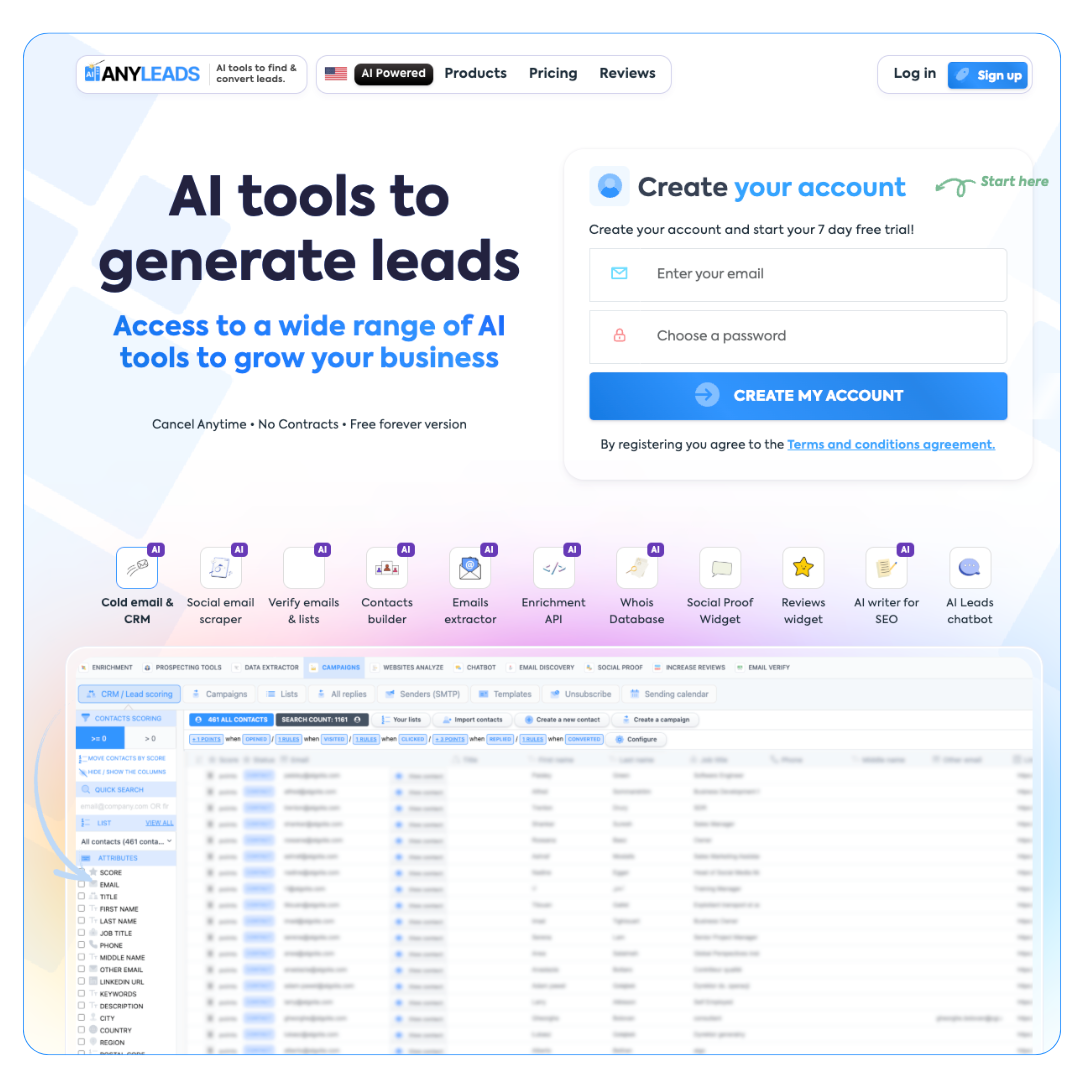
Data from past events is a powerful tool for sharpening your marketing strategy. Understanding how lead generation data can inform marketing decisions can also help organisers identify the audiences and channels most likely to respond to future events. Instead of casting a wide, expensive net, you can focus your resources where they'll have the most impact. If your ticketing data shows that many attendees come from a neighbouring suburb, you can target that area with letterbox drops or localised social media ads for your next event.
Similarly, post-event surveys can ask attendees how they heard about the event. If most discovered it through a specific community Facebook group, you know that's a valuable channel to keep using. This targeted approach not only saves money but also speaks directly to the people most likely to attend. For a deeper look into promotion, a comprehensive event marketing guide can offer strategies to refine your outreach and boost attendance figures.
While ticket sales and revenue are clear indicators of success, they don't tell the whole story. A truly successful community event builds connection, creates positive feelings, and contributes to the local atmosphere. Data can help you measure these less tangible outcomes.
Consider tracking metrics like:
Social Media Engagement: Monitor the use of your event's official hashtag on platforms like Instagram and Facebook. A high volume of positive posts and shares is a strong sign of community enjoyment.
Attendee Satisfaction: A simple post-event survey sent via email can capture feedback on everything from parking and amenities to the quality of entertainment. A high satisfaction score is a powerful testament to your event's success.
Repeat Attendance: Ticketing systems that track individual buyers can show you what percentage of your audience are returning attendees. This is a key indicator of loyalty and long-term appeal.
The most significant benefit of collecting data over time is the ability to future-proof your event. Analysing trends from year to year helps you adapt to the changing needs and preferences of your community, ensuring your event stays relevant and well-loved.
For instance, if you notice a gradual increase in young families attending, you might expand the kids' activity zone or introduce more family-friendly food options. If data shows growing interest in workshops or interactive experiences, you can shift your programming to meet that demand. This long-term view moves your planning from being reactive to proactive, allowing you to anticipate what your community wants next and deliver an experience that keeps them coming back.
Ultimately, using data is about listening to your audience on a larger scale. It empowers you to create community events that are not only popular but also deeply connected to the people they serve.
 AI tools to find & convert leads.
  Send emails at scale