Trade shows put hundreds of potential buyers in one room, many of them actively looking for solutions. Yet many exhibitors leave with a fishbowl of business cards and little else. What separates a costly day out from a strong sales pipeline is planning. The tips mentioned below will help you learn how to attract, capture, and convert high-quality leads before, during, and after the event.
Bigger isn’t always better. Pick events your ideal customers actually attend. Ask organizers for attendee demographics, job titles, and industries, and check which competitors exhibited last year. A niche regional show with 2,000 decision-makers can outperform a national expo with 50,000 casual browsers.
“Get more leads” isn’t a goal. Define specific targets, such as:
150 qualified leads
25 booked demos
$200,000 in pipeline within 90 days
Then work backward. If the show runs 18 hours over three days, 150 leads means about eight qualified conversations per hour across your team.
Don’t rely on foot traffic alone. Two to three weeks out, email customers and target prospects with your booth number and a reason to visit, such as a live demo, an exclusive offer, or a short consultation. Share the event on LinkedIn and use the show’s hashtag. Book meetings in advance whenever possible, because pre-scheduled conversations are often your most valuable.
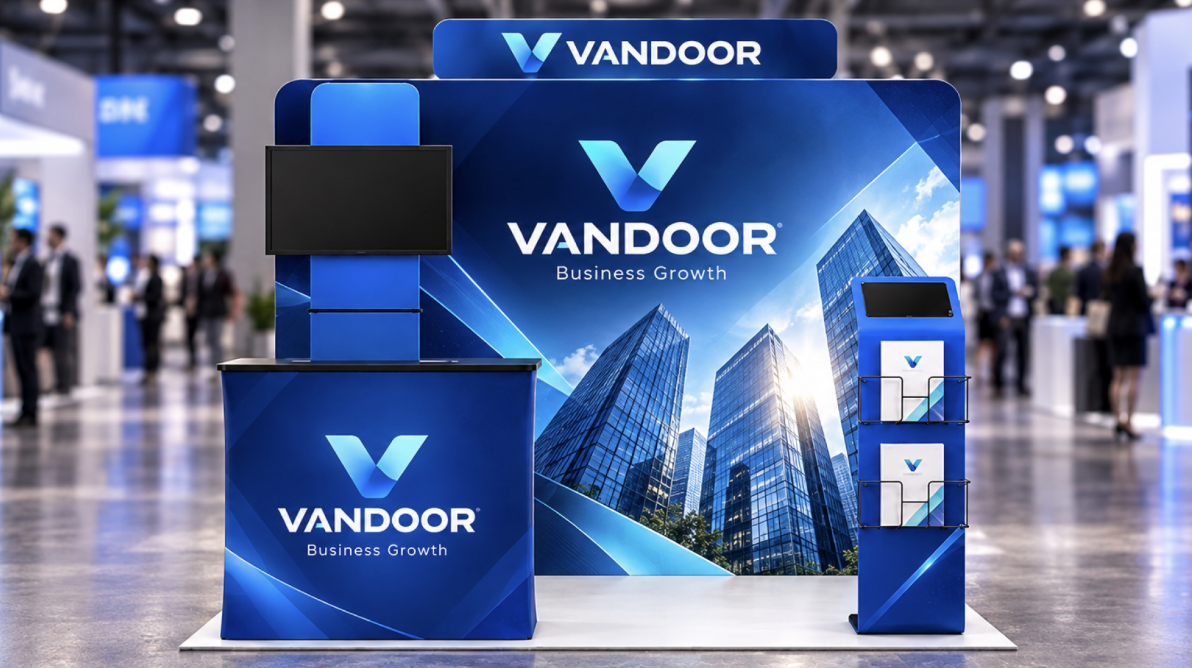
You have only a few seconds to catch attention as people walk the aisle. State who you help and how in one bold line. Well-designed banner stands are an affordable way to make that message visible from a distance. For larger exhibitors, trade show booth creates a branded space that feels open and inviting. Avoid placing tables across the front, because they act as barriers.
Replace “Can I help you?” with open questions that invite real answers:
“What brings you to the show this year?”
“What’s your biggest challenge with [topic] right now?”
Interactive elements such as product demos, hands-on trials, or a quick self-assessment give visitors a reason to stop and give your team a natural opening.
Not every visitor is a lead. Train staff to use a simple framework like BANT (Budget, Authority, Need, Timeline) and to rate each contact as hot, warm, or cold. A two-minute conversation that rules out a poor fit is time well spent, because it frees you for the next real buyer.
Use badge scanners or a lead-capture app instead of paper forms, and add notes immediately: the prospect’s needs, timeline, and agreed next step. Always ask before adding someone to your mailing list, and explain what they’ll receive. Clear consent keeps you compliant with privacy laws like CASL and GDPR, and it builds trust from the first interaction.
Example: Instead of a generic prize draw that attracts everyone, offer a free audit or an industry report in exchange for an email address. You’ll collect fewer contacts, but far more qualified ones.

Interest fades quickly once attendees return to their inboxes. Send a personalized follow-up within one to two days that references your conversation. For example: “Great discussing your warehouse tracking issues at Booth 214. Here’s the case study I mentioned.”
Send hot leads straight to sales for a call or demo. Put warm leads into a short email sequence with useful content, and add cold leads to your regular newsletter. Log everything in your CRM so no one slips through the cracks.
Track performance against the goals you set. Key metrics include:
Total leads and qualified leads
Cost per lead (total event spend ÷ leads)
Meetings or demos booked
Pipeline generated and revenue closed
Overall return on investment
Review results at 30, 60, and 90 days, since B2B deals often take time to close. Compare shows side by side to decide where to invest next year.
Getting more leads at trade shows needs good planning. Choose the right event, set clear goals, and promote your booth early. At the show, make your booth easy to notice, start real conversations, and qualify every lead. After the event, follow up quickly and measure what worked. With a simple plan, every custom trade show booth can become a steady source of new business.
 AI tools to find & convert leads.
 Send emails at scale