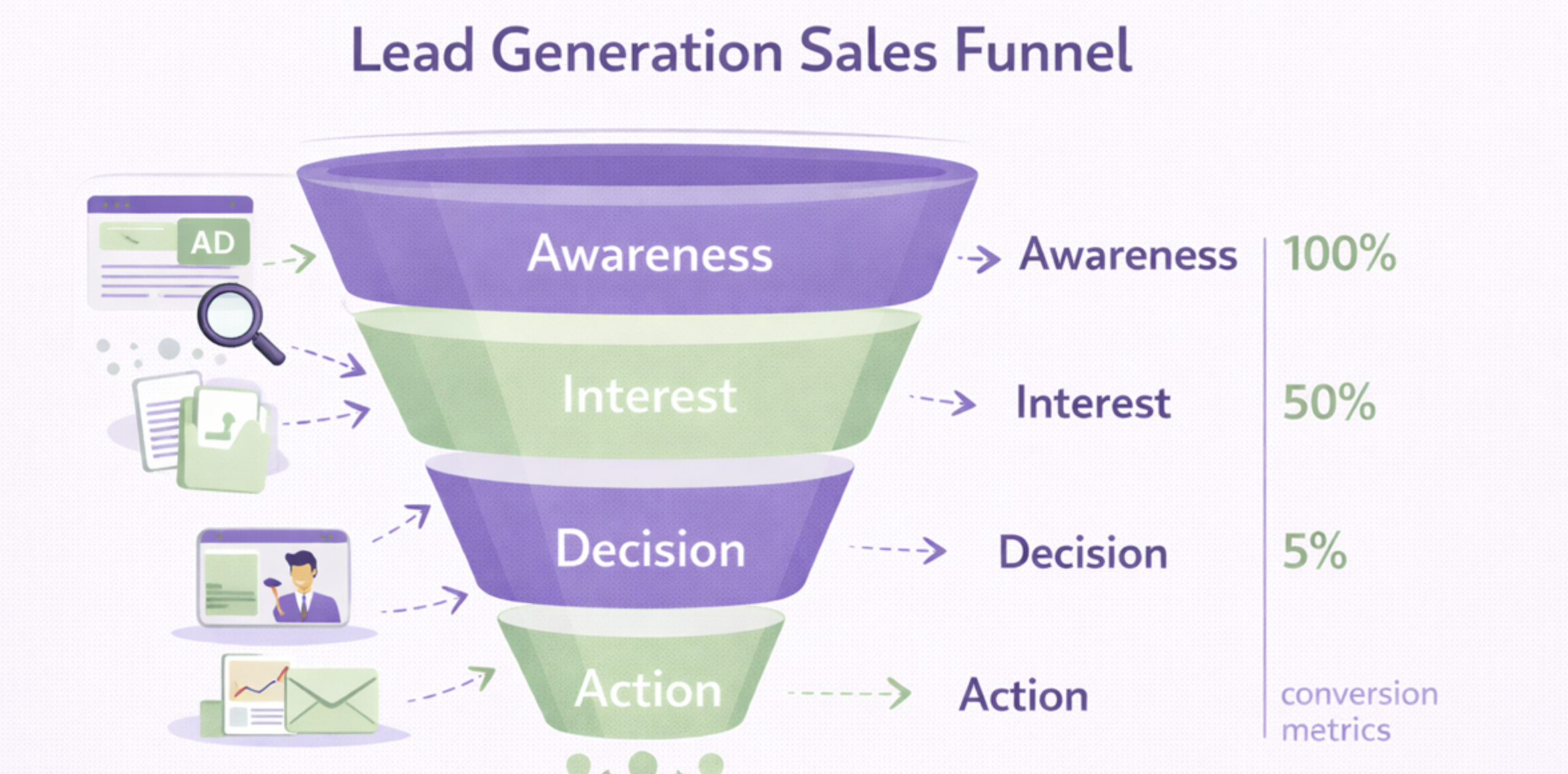
Modern lead generation is no longer just about collecting emails and running bulk outreach campaigns. In today’s performance-driven marketing landscape, every step of the funnel must be optimized for accuracy, deliverability, and conversion efficiency. As acquisition costs continue to rise, businesses are under pressure to ensure that every lead entering the system is real, verified, and actionable.
This shift has pushed automation platforms like Anyleads to integrate deeper verification layers into outreach workflows. Industry reporting from Forbes highlights how companies investing in marketing automation are consistently outperforming competitors in customer acquisition efficiency.
One of the most overlooked friction points in modern funnels is identity and contact verification. Whether you are running cold email campaigns or SMS onboarding flows, invalid or unverified data directly reduces ROI and wastes automation resources.
In many acquisition systems, SMS verification is used as a gatekeeper before users enter automated funnels. Email & SMS Verification - Businesses increasingly rely on OTP verification forms to validate users, reduce fake signups, and improve lead quality before prospects enter downstream workflows. However, poorly optimized verification flows can introduce friction and lower activation rates.
This is where tools such as ViaApp TOS SMS Free Online become relevant for testing SMS verification flows before scaling campaigns into production environments.

Every invalid or low-quality lead in a funnel creates measurable financial waste. It consumes outreach credits, inflates CRM noise, and distorts performance analytics used for optimization decisions.
Common inefficiencies include:
Higher bounce rates in email campaigns
Reduced SMS delivery success
Increased cost per valid lead
Skewed conversion tracking
Lower automation accuracy
Business Insider has reported that companies increasingly rely on automation and validation systems to improve marketing efficiency and reduce wasted acquisition spend.
SMS verification has evolved from a simple security layer into a critical funnel optimization step. It ensures that only real, reachable users enter downstream automation workflows, improving both engagement quality and conversion outcomes.
However, when poorly implemented, it can become a conversion barrier rather than an enabler.
| Function | Funnel Impact | ROI Outcome |
| User validation | Filters fake signups | Higher lead quality |
| Fraud prevention | Blocks bots | Cleaner CRM data |
| Engagement confirmation | Improves targeting | Better conversion rates |
| Account activation | Confirms real users | Stronger retention |
In performance marketing, lead volume alone does not guarantee revenue growth. High volumes of unverified or low-quality leads reduce efficiency across every downstream system.
This results in:
Lower email deliverability
Poor segmentation accuracy
Reduced conversion rates
Higher churn in automation flows
As highlighted by Forbes, businesses that prioritize data quality and automation alignment consistently outperform volume-focused acquisition strategies.
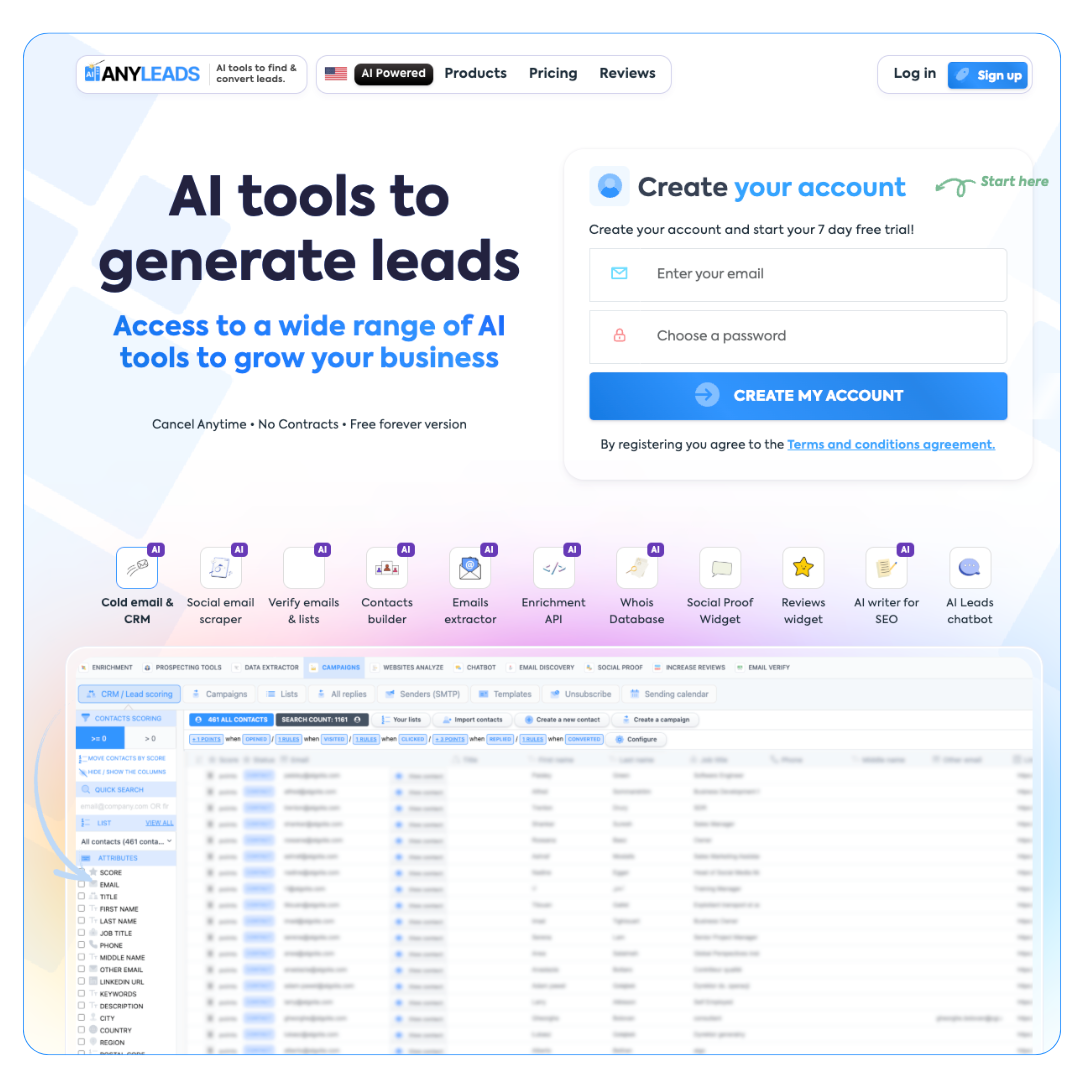
Platforms like Anyleads are designed to unify lead generation, enrichment, and outreach automation into a single system. However, the true performance of these systems depends heavily on input data quality.
Without strong verification layers, automation simply scales inefficiency. With strong verification, automation becomes a revenue multiplier.
High-performing teams typically focus on:
Real-time email and phone verification
CRM enrichment before outreach
Segmentation based on verified data
Continuous list hygiene processes
Automated removal of invalid contacts
At scale, even small improvements in verification efficiency translate into significant ROI gains. Reducing invalid leads by just a few percentage points can dramatically improve conversion rates and reduce wasted outreach spend.
| Metric | Before Optimization | After Optimization |
| Invalid leads | 25% | 8% |
| Cost per conversion | High | Lower |
| Bounce rate | 12–18% | 2–5% |
| CRM accuracy | Moderate | High |
The future of lead generation is shifting toward fully integrated systems where data sourcing, verification, and outreach function as a single optimized pipeline. Instead of treating verification as a separate step, modern systems embed it directly into acquisition workflows.
This allows marketing teams to:
Improve targeting accuracy
Reduce wasted outreach spend
Increase automation efficiency
Enhance funnel predictability
Maximize revenue per lead
In this environment, verification is no longer just a technical safeguard—it is a direct driver of ROI and scalable growth performance.
 AI tools to find & convert leads.
  Send emails at scale