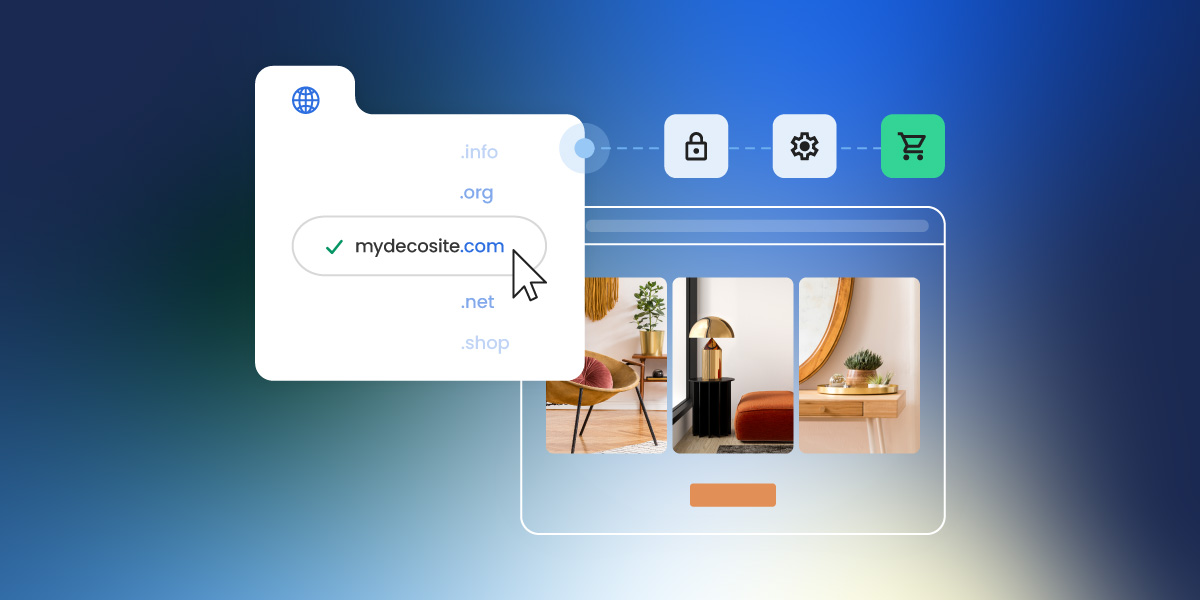
Choosing a .com domain is a pivotal step for anyone establishing an online identity. Taking a thoughtful and informed approach helps you avoid costly mistakes and ensures the long-term sustainability of your online presence. Before registering a domain, it’s important to consider several key factors. By making well-informed decisions, individuals and organizations can sidestep common pitfalls and embark confidently on their digital journey.
Checking the availability of your desired .com domain name should be your first step. Many attractive names may already be taken or reserved, so it's important to confirm availability early. Always double-check for spelling accuracy; a single typo can cause confusion or result in lost visitors.
A strong domain name supports your brand. Choose one that's short, easy to pronounce, and free of numbers or hyphens to avoid confusion. Unique names stand out in search results and are more memorable for customers. Over time, a well-chosen name can boost your brand’s potential and recognition.
They are widely recognized and trusted across the internet, making them ideal for building credibility with your audience. Investing in a solid .com address can help you strengthen your brand and set it apart, while also making your website easier for visitors to remember and access.


A domain with a previous history can carry reputational risks due to how it was previously used. Before you buy .com domain name, it’s important to research its background using public archives and reputation tools to ensure it wasn’t associated with spam, malware, or controversial content. This extra step helps protect your brand, while opting for a brand-new domain can provide a clean slate and make it easier to build trust from the beginning.
Providing a unified experience across all digital platforms increases brand recognition. Before purchasing your domain, check major social media sites to ensure matching usernames are available. Whenever possible, register the same handles on each platform to prevent confusion. Consistent usernames simplify communication with users and strengthen your overall brand message.
Before moving ahead, you need to check if there are any trademark issues. Legal action can be taken for using a name that is a trademark. A simple search with appropriate authorities helps in identifying problems. Steering clear of names that sound too similar to an existing trademark will also help avoid disputes.
If your preferred .com is unavailable, you don't have to settle for an awkward variation or a name you don't love. A growing number of businesses are choosing alternative extensions. There are industry-specific options like .io or .co to niche TLDs that can actually strengthen a brand's identity. Before you compromise on your name, it's worth exploring alternatives to see whether a different extension fits better.
Search engines prefer domain names that are simple, clear, and easy to remember. Including relevant keywords in your domain can significantly increase your website’s visibility in search results. Avoid complex words or uncommon spellings, as these make your domain harder to find and recall.
When choosing your domain, think long-term and focus on how easily people can find you in search. Identify the main search terms your audience uses and, if possible, include a clear, relevant keyword in your domain. Use search analytics tools to quickly compare ideas and pick a name with strong visibility potential before committing.
Optimize your domain by using variations and related phrases so the text reads smoothly and provides value to visitors, not just search engines. Prioritize keywords with good search volume and reasonable competition that match your page’s topic and intent.
Some words may be considered restricted or prohibited in domain names by law. Investigate any local or international regulations that may affect the selected option. There are different kinds of words for government, or it may be used only officially. Preventing issues through advanced compliance keeps future operations protected.
The domain name should allow for growth. Think about what else the name might be able to lend itself to in the future. More than anything, overly narrow terms may hinder flexibility because the goals constantly change. Choosing a wider or more flexible name keeps the option available as needs change.
Domain names similar to other domains can confuse users or even cause them to click the wrong domain. Steer clear of a name that sounds overly similar to other established sites because it will dilute brand identity or, sooner or later, result in legal complications. Making different decisions creates a unique imprint.
Domain pricing varies widely based on demand and registration length. Before committing, review renewal fees and all related costs. Some registrars offer low first-year rates but raise prices later. Carefully read the terms to avoid unexpected charges and ensure a smooth registration process.
Once you register a domain, your personal details can be visible online. Use privacy protection from your registrar to hide this information, reduce spam, and keep your data more secure, giving you added peace of mind.
Owning a domain is a long-term commitment, so set reminders for renewal dates to avoid losing it by accident. Many registrars let you enable renewal alerts or auto-renew for convenience. Keep your account details up to date so you receive important notifications on time.
Owning a .com domain unlocks valuable opportunities and credibility. Before launch, confirm availability and handle any legal issues or trademark concerns. Choose a name that’s unique and memorable to strengthen your brand. With careful planning and attention to detail, managing your online presence becomes much easier. Ultimately, a .com domain is a powerful asset for any venture.
 AI tools to find & convert leads.
  Send emails at scale