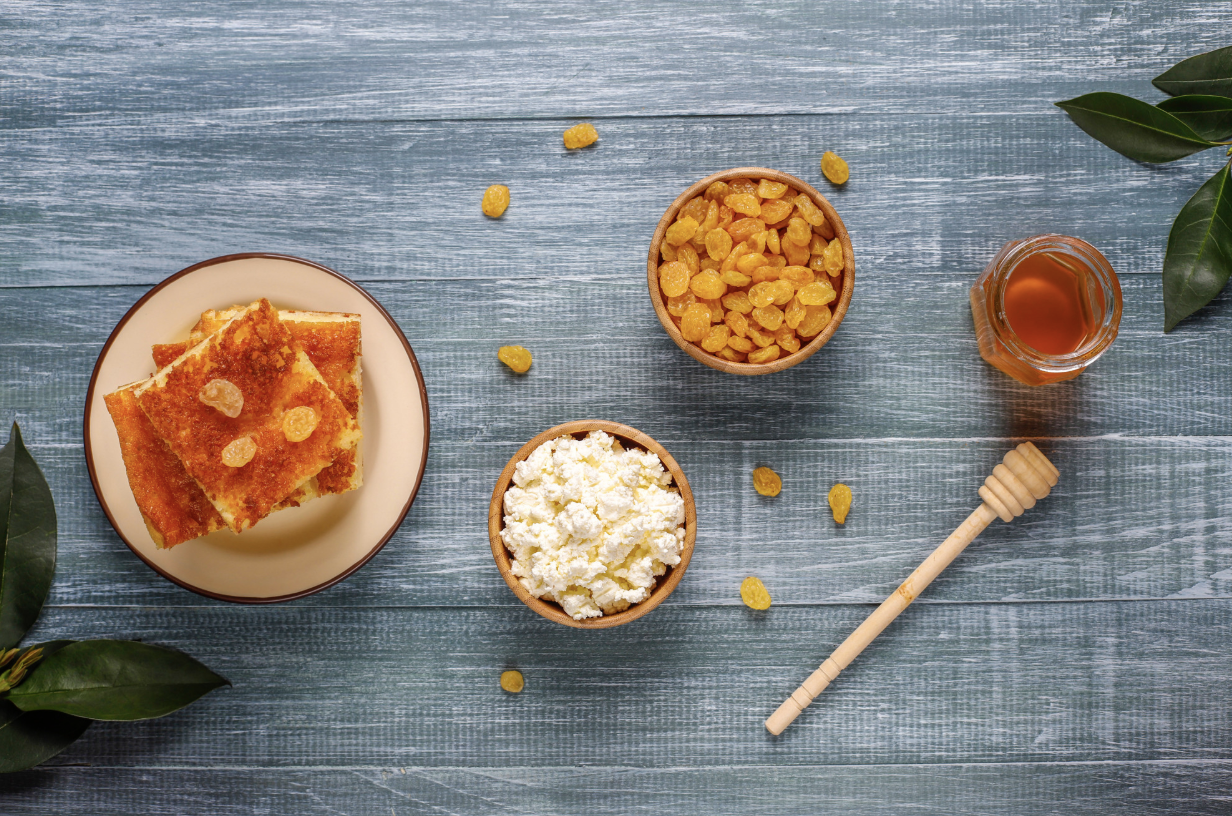
People swap out honey for many reasons. Some follow a plant-based diet and avoid honey because it comes from bees. Others run out mid-recipe, want a different flavor, or are trying to reduce added sugar. The good news is that your pantry has plenty of options, each with its own strengths in the kitchen.
This guide compares eight common honey alternatives side by side. For each sweetener, you will find flavor notes, how its sweetness compares to honey, where it works best, a starting substitution ratio, basic nutrition context, and who it tends to suit. Treat the ratios as starting points. If you manage diabetes or follow a medically supervised diet, check with your healthcare provider before changing sweeteners.
Each sweetener below covers the same five points so you can compare them quickly: flavor profile, how its sweetness compares to honey, where it works best in the kitchen, a starting substitution ratio, and who it tends to suit. Some are direct 1:1 swaps. Others, like stevia and monk fruit, are far more concentrated and need a brand-specific conversion chart. A few, like molasses or date syrup, will change the flavor of your recipe noticeably, so test them in small batches before committing to a full swap.
If you only want a quick answer, scroll down to "Quick Picks by Goal" near the end, which sorts the options by what you are trying to achieve.
Maple syrup
Maple syrup is made by boiling the sap of maple trees until it becomes a pourable syrup. It has a warm caramel-maple flavor that most people know from breakfast foods. It is vegan by default and easy to find in most grocery stores.
Best uses: Pancakes and waffles, glazes for roasted vegetables, salad dressings, cocktails, and baked goods where a bit of extra moisture is welcome.
Substitution guidance: Start with a 1:1 swap by volume. Because maple syrup adds liquid, consider reducing other wet ingredients in a batter by about 1 to 2 tablespoons per cup of syrup. Watch browning, since maple syrup caramelizes at a pace similar to honey.
Nutritional notes: Maple syrup is still an added sugar. It contains trace minerals like manganese and zinc, but not in amounts large enough to rely on for nutrition. Think of it as a flavorful swap, not a health upgrade.
Who it suits: Vegans, general home bakers, and anyone who wants a familiar, easy-to-find liquid sweetener.
Agave nectar comes from agave plants and has a mild, almost neutral sweetness with a faint caramel edge. It dissolves easily in cold liquids, which gives it an advantage over thicker syrups.
Best uses: Iced tea, lemonade, cold dressings, light cakes, and recipes where you want sweetness without a strong competing flavor.
Substitution guidance: Agave generally tastes sweeter than honey, so start with about two-thirds of the honey amount called for in a recipe and adjust upward to taste.
Nutritional notes: Agave is still an added sugar. You may see it marketed with glycemic claims, but those figures vary by brand and processing method. Treat it like other liquid sweeteners when thinking about total sugar intake.
Who it suits: Vegans and anyone looking for a neutral flavor that lets other ingredients stand out.
Date syrup is made by cooking down dates and straining the result into a thick, dark syrup. It delivers a rich, jammy sweetness with deep caramel and fruity notes.
Best uses: Oatmeal, smoothie bowls, energy bites, sticky cakes, and meat or vegetable marinades. Its bold flavor pairs well with warm spices like cinnamon and cardamom.
Substitution guidance: Start at a 1:1 ratio. Expect baked goods to come out darker and with a more fruit-forward flavor than honey would provide.
Nutritional notes: Because it is made from dates, date syrup may retain some fruit solids depending on the product. It is still an added sugar, so portion size matters.
Who it suits: Vegans, whole-food-style cooks, and anyone who enjoys a robust, fruit-forward sweetness.


Molasses is a byproduct of sugar refining. It comes in several grades: light, dark, and blackstrap. Light molasses is the mildest and sweetest, while blackstrap is much stronger and can taste bitter.
Best uses: Gingerbread, BBQ sauces, baked beans, spice cakes, and dishes that benefit from a deep, almost savory backbone of flavor.
Substitution guidance: Start with about half the amount of honey the recipe calls for. Molasses is intense, and a little goes a long way. Taste and increase gradually.
Nutritional notes: Like other liquid sweeteners, molasses is an added sugar. Some grades, especially blackstrap, contain iron and calcium, but the strong flavor limits how much most people use.
Who it suits: Vegans and bold-flavor bakers who want depth and complexity rather than simple sweetness.
Brown rice syrup is made by using enzymes to break the starches in cooked brown rice into sugars. The result is a thick, amber syrup with a mild, slightly toasty taste.
Best uses: Granola bars, crispy rice treats, and recipes where you need a sticky binder more than intense sweetness.
Substitution guidance: Brown rice syrup is noticeably less sweet than honey. Start with a bit more than a 1:1 ratio, or pair it with a second sweetener, such as a splash of maple syrup, to bridge the gap. It is thick, so you usually will not need to reduce other liquids.
Nutritional notes: Brown rice syrup is an added sugar. Because it is less sweet, using more to match honey can increase the total amount of syrup in a recipe.
Who it suits: Vegans and home cooks who want a less-sweet end result or need a strong binding agent for snack bars.
Coconut nectar is tapped from the sap of coconut blossoms, not from the coconut itself. It has gentle butterscotch and caramel notes, with an amber color and a consistency similar to honey.
Best uses: Stir-fries, salad dressings, pancake drizzles, and baked goods where a light caramel undertone is welcome.
Substitution guidance: Start at 1:1. Watch browning, since coconut nectar can behave similarly to honey in the oven.
Nutritional notes: Coconut nectar is still an added sugar. Some producers highlight mineral content, but amounts are usually modest. Treat it as comparable to other liquid sweeteners.
Who it suits: Vegans and anyone drawn to a mild, caramel-leaning flavor without the strong character of molasses or date syrup.
Stevia is a very concentrated sweetener made from stevia leaves. It contains essentially zero calories, and a very small amount can deliver significant sweetness. That means it does not substitute at a 1:1 ratio with honey.
Best uses: Sweetening coffee, tea, smoothies, yogurt, and some no-bake desserts. It is less useful in recipes that depend on browning or caramelization, since it does not act like sugar in the oven.
Substitution guidance: Always follow the conversion chart on the package. Brands vary widely. If you are baking, you will likely need another ingredient, such as applesauce, yogurt, or extra flour, to replace the moisture and volume honey would have provided.
Nutritional notes: Stevia is essentially calorie-free in pure form. Some products blend it with sugar alcohols or other fillers, so read ingredient labels carefully.
Who it suits: People actively reduce added sugar. Those managing blood sugar should discuss sweetener changes with a healthcare provider first.
Monk fruit extract, also called luo han guo, is another concentrated zero-calorie sweetener. Most retail versions are blended with erythritol, allulose, or another ingredient to add bulk, since pure monk fruit extract is extremely concentrated.
Best uses: Beverages, frostings, and some baked goods when the blend includes a bulking ingredient. Blends containing sugar alcohols can create a slight cooling sensation on the tongue.
Substitution guidance: Like stevia, monk fruit has no universal swap ratio. Follow the brand's chart. Blends vary so much that switching brands may require retesting your recipe.
Nutritional notes: Pure monk fruit extract is calorie-free. Blended products may contain small amounts of calories or carbohydrates from the added ingredients, so check the label.
Who it suits: People looking to cut added sugar. As with stevia, anyone on a medically supervised diet should consult a professional before relying on a zero-calorie sweetener.
A few kitchen rules will help you land closer to the result you want on the first try. For broader ideas on smarter online shopping and how to compare products before you buy, this business and marketing blog has useful tips.
Taste first. Sweetness perception varies from person to person. Taste the alternative on its own, then adjust the recipe before committing.
Adjust your liquids. When subbing a thinner syrup, such as agave, reduce other liquids in the recipe by a tablespoon or two. With thicker options, such as brown rice syrup, hold liquids steady unless the batter looks too dense.
Watch browning and spread. Honey's sugars caramelize readily, so baked goods may brown differently with a substitute. Stevia and monk fruit blends often brown less.
Consider strong flavors. Molasses, date syrup, and dark coconut nectar can change the flavor of a recipe quickly. Test in a small batch before making a full swap.
Add bulk when needed. If you use stevia or monk fruit, you may need to replace the volume honey would have contributed. Applesauce, yogurt, or a bit of extra flour can help, depending on the recipe.
Start small. Swap just 25 to 50 percent of the honey in a recipe first. Once you like the result, try a full swap next time.
Choosing a sweetener is only part of the process. Buying and storing it well saves money and keeps flavors fresh.
Read the label. Some products labeled as a single sweetener are actually blended with added water, cane sugar, or other syrups. Check the ingredient list and note the serving size, which can vary from brand to brand.
Think about how much you need. A thick syrup like brown rice syrup goes fast in granola bar recipes, while a bottle of stevia drops can last for months. Buy a size you can reasonably finish so nothing goes stale in the back of your pantry.
If you compare sweetener prices online, plan smart online shopping around package size, shipping, and whether a bottle is concentrated or full syrup. A price-comparison tool such as FindPrices is positioned to help you check listings and availability across retailers in one place. Treat those listings as a starting point, and confirm the final price, shipping, package size, and stock at checkout.
Storage tips. Keep liquid sweeteners tightly sealed and away from moisture. Maple syrup should go in the refrigerator once opened. For agave, date syrup, coconut nectar, molasses, and brown rice syrup, follow the label; many keep well in a cool, dark cabinet. If a syrup crystallizes, gentle warming in a bowl of hot water usually brings it back.
Short on time? Here is a cheat sheet based on what you are after.
Easy vegan liquid swap: Maple syrup or date syrup. Both are easy to find and work in a wide range of recipes.
Mild flavor for drinks: Agave nectar or coconut nectar. Neither will overpower iced tea, lemonade, or a morning smoothie.
Deep bakes or BBQ flavor: Molasses, using light or dark depending on how bold you want the result to be.
Minimizing added sugar: Stevia or monk fruit blends. Follow package conversions closely and check the added ingredients.
Sticky binding for bars and treats: Brown rice syrup or date syrup. Both help hold ingredients together without relying on honey.
There is no single sweetener that perfectly replaces honey in every situation. The right pick depends on the flavor you want, the recipe you are making, and any dietary considerations that matter to you.
Start with one or two options that match your most common uses, test them in small batches, and adjust from there. Once you find a couple of favorites, swapping honey starts to feel routine instead of risky.
 AI tools to find & convert leads.
  Send emails at scale