AI is changing the way we work faster than most companies expect. That shift can free employees up to focus on higher-value work, but it also changes what people need from their workplace. When technology handles more of the work, collaboration, creativity, and team building become even more important.
The future isn’t about using AI to automate the workplace and calling it a day. It’s about using AI to make work easier while creating more room for people to connect and contribute. Read on to see what the future of employee engagement looks like in an AI-powered workplace.
AI is changing what the everyday employee experience looks like. Employees are spending less time on repetitive tasks and more time on work that calls for creativity, innovation, and collaboration.
AI can handle time-consuming tasks such as data entry, scheduling, research, and routine reporting. By taking these tasks off employees’ plates, AI gives them more time and mental bandwidth to participate in team discussions, brainstorming sessions, collaborative problem-solving, and activities such as escape rooms or mystery puzzles.
Tools like AI meeting assistants, writing tools, and workplace search can help teams summarize meetings, organize information, draft updates, and quickly find what they need. For remote and hybrid teams especially, these tools can make it easier to stay aligned without adding more meetings or messages to an already busy day.
AI can take over repetitive, time-consuming tasks, helping employees get more done without spending their day on low-value work. This can free up time for strategic projects, problem-solving, and higher-priority work that requires human input.
AI can help companies tailor learning, development, communication, and recognition to individual employees. Instead of taking a one-size-fits-all approach, teams can use AI-driven insights to better understand employees' needs and create more relevant experiences.
AI can streamline how people work, but it can’t replicate the trust, understanding, and relationships that make teams work well together. Here’s why human connection still matters:
People still need context: AI can summarize a meeting or draft a message, but it can’t always understand the history, personalities, or tensions behind a team decision.
Hard conversations need a human: Performance feedback, disagreements, and sensitive conversations require empathy and judgment that an AI-generated message can easily miss.
Relationships affect how teams work: When coworkers know and trust each other, they’re more likely to ask for help, share ideas, give honest feedback, and work through disagreements.
Not every interaction should be optimized: If AI handles every update, brainstorm, and conversation, work can start to feel mechanical. Some interactions are valuable simply because people are talking to other people.

Companies have an opportunity to rethink how AI shapes what employees spend their time on and how they experience work. Here are five practical ways to make that shift work for your team:
Use AI to handle repetitive tasks, then give employees more opportunities to solve problems, make decisions, and work on projects that have a visible impact.
Don’t just train employees to use AI tools. Give them opportunities to experiment with AI, build new skills, and understand how it can support their roles and career growth.
As AI makes individual work faster, intentionally create time for brainstorming, peer learning, problem-solving, and out of the box thinking.
Be transparent about how AI is being used, what it can and can’t do, and how employee data is handled. Clear communication can reduce uncertainty and help employees feel more confident working alongside AI.
AI can make work faster without making its impact more obvious. Help employees connect their day-to-day work to larger team and business goals so they can see what their contributions accomplish.
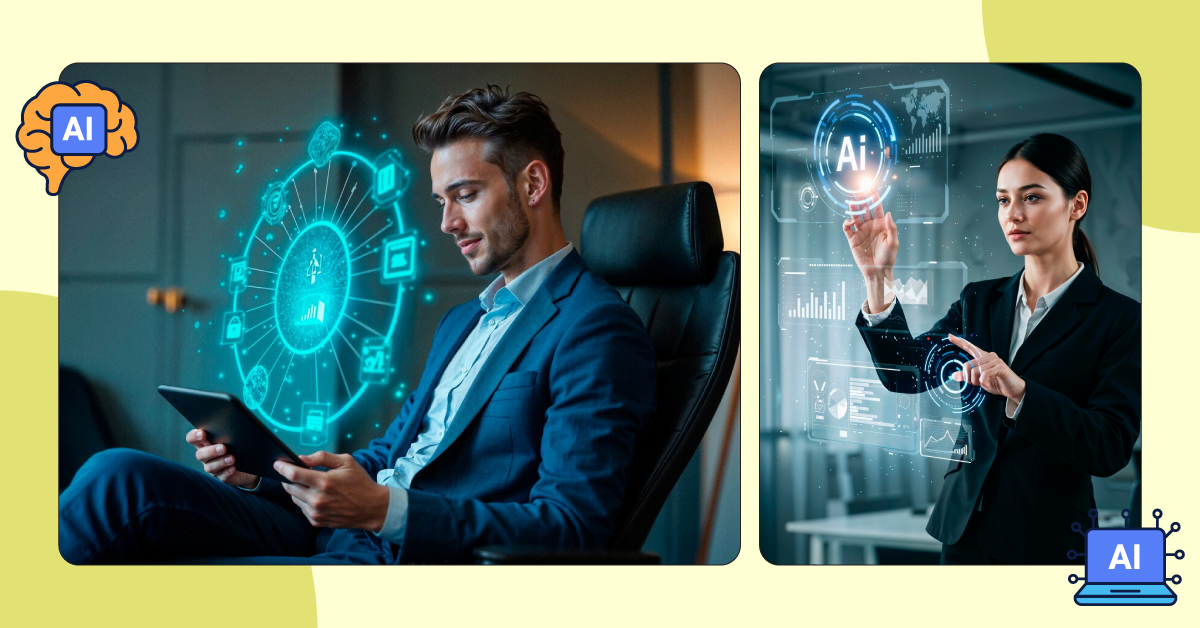
Employee engagement won’t stay the same as AI changes how people work. Here are five shifts that could shape the employee experience in the years ahead:
AI will make it easier for companies to tailor employee experiences to different roles, preferences, and needs. Tools such as Microsoft Copilot, Workday AI, and LinkedIn Learning can help personalize learning, surface relevant information, and provide more targeted support.
Engagement will move beyond annual surveys as companies gather feedback through regular check-ins and employee pulse surveys. Tools such as Microsoft Viva Glint, Culture Amp, and Qualtrics can help companies collect and analyze employee feedback more regularly, making it easier for leaders to spot changing needs.
AI can take care of routine administrative work such as reporting, scheduling, and information gathering. Tools like Microsoft Copilot, Google Gemini, and Slack AI can help managers spend less time on these tasks and more time on coaching, decision-making, and supporting their teams.
As AI changes what different jobs involve, employees may move between responsibilities more easily based on their skills. Platforms such as Workday Skills Cloud, LinkedIn Learning, and Degreed can help companies identify skills, recommend learning opportunities, and connect employees with development paths.
Employees will need to stay comfortable learning new tools and adjusting as AI changes workflows. The ability to learn, experiment, and adapt may become just as important as technical expertise.
AI will continue to change how employees work, communicate, and collaborate, but engagement will always come down to how people feel about their work and the people around them. The companies that get it right will use AI to remove friction and create more room for employees to connect, contribute, grow, and do meaningful work. As the workplace evolves, employee engagement shouldn’t become another process to automate. Use AI to make work easier, but keep the human experiences that make work worth showing up for.
 AI tools to find & convert leads.
  Send emails at scale