In the world of B2B marketing, Instagram is often dismissed as a B2C playground: a vibrant space for visual brands but a low-priority channel for serious business development. This perspective, however, overlooks a critical shift in professional behavior. Decision-makers, from department heads to C-suite executives, are active on the platform, consuming content that informs their professional interests. The challenge is not finding them; it is converting their passive engagement into tangible, qualified leads for your sales pipeline.
The key is to fundamentally reframe what a like or a comment actually represents. Instead of treating it as a simple vanity metric, it must be read as a top-of-funnel signal, a digital hand-raise indicating genuine interest.
Before you can convert engagement, you must learn to interpret it correctly. A like on a post about SaaS project management challenges from a user whose bio reads “Operations Manager at TechCorp” is far more than a fleeting interaction. It is a data point. This user is actively engaging with content directly related to a problem your business potentially solves.
This is the foundational step: shifting from counting likes to qualifying the people behind them. Treat your engagement feed as an initial, unfiltered list of potential prospects. The goal is to systematically analyze who is interacting with your content, looking for patterns in job titles, industries, and company affiliations that align with your ideal customer profile (ICP).
Once you begin identifying these high-potential engagers, the real work of building a bridge from the social platform to your sales funnel begins. This process requires a deliberate and strategic approach, one that respects the informal nature of social media while guiding prospects toward a meaningful business conversation.
Moving a prospect from a public feed to a private sales conversation is a multi-step process. It is about gracefully transitioning the context from a casual social interaction by using ig text post generator to a professional business dialogue without appearing aggressive or out of place. Done well, this shift feels natural rather than transactional.
Once you have identified a promising user, the next step is a soft, non-intrusive outreach. Visit their profile to gather context about their role and company. If their profile is public and provides enough information, initiate a direct message with immediate, context-specific value:
“Hi [Name],
I noticed you engaged with our post on [Topic].
As a [Job Title], you might find this in-depth case study particularly useful.”
The goal is to open a private channel for communication, not to pitch.
Your Instagram content must serve a strategic purpose beyond brand awareness. Each post should function as a potential entry point into your funnel, incorporating clear CTAs that guide interested users to a lead magnet: a webinar, a downloadable whitepaper, an exclusive report, or a free tool. A user willing to leave the Instagram app to provide their email address in exchange for a valuable resource is no longer a passive follower; they are an active lead.
To accelerate this process, social proof plays a measurable role. Posts with higher engagement are perceived as more authoritative, which encourages organic users, including genuine B2B professionals, to interact. For marketers looking to establish that initial momentum, exploring services that boost Instagram engagement can help a content strategy gain the visibility it needs to attract the right audience. The conversion from an anonymous engager to a known contact in your system is the crucial moment this entire process builds toward.

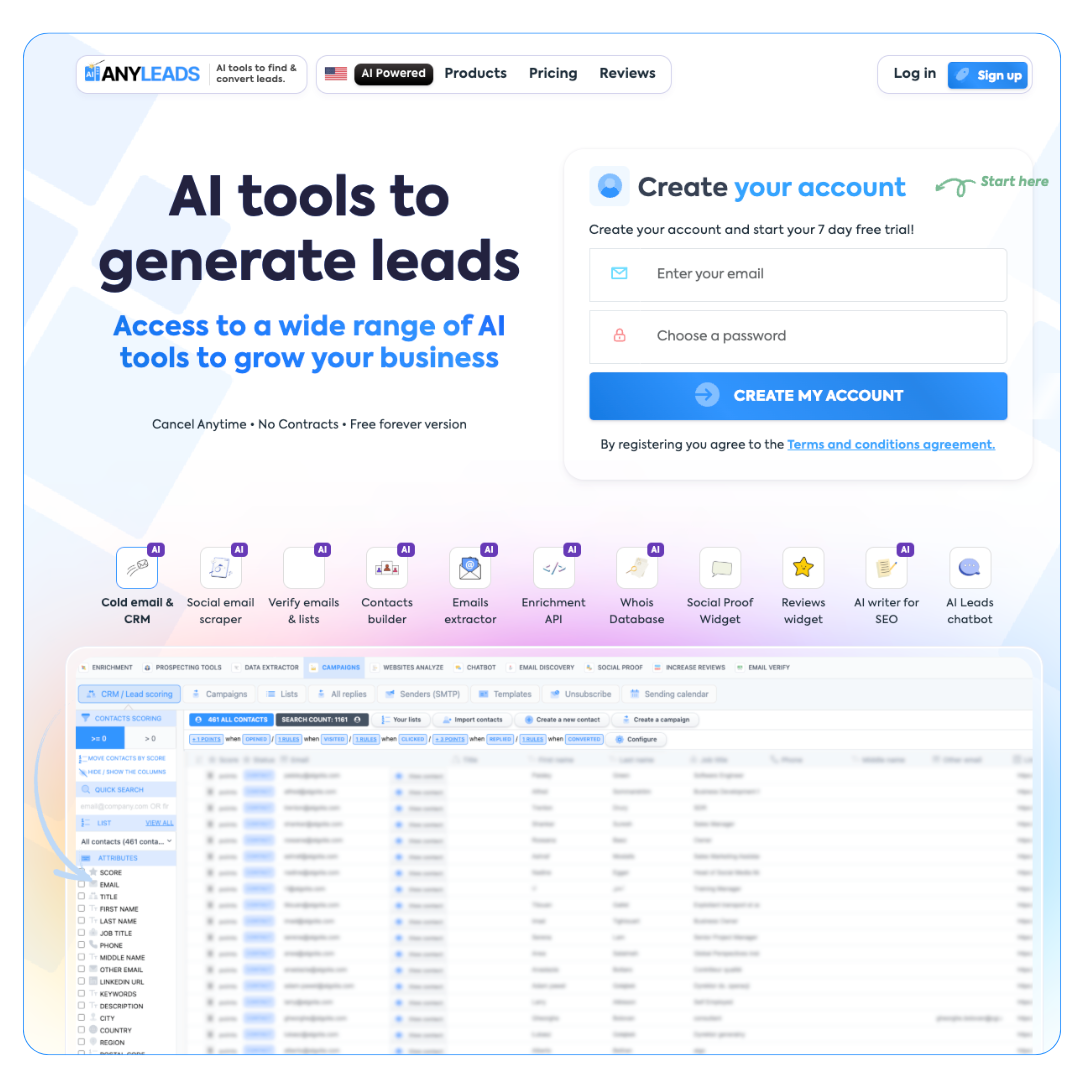
Once a lead enters your ecosystem via a form, the nurturing process begins in earnest. This is where Customer Relationship Management (CRM) platforms and marketing automation tools allow you to scale your efforts without sacrificing personalization. Each lead should be tagged based on the specific content they downloaded, allowing you to segment your audience and tailor future communications accordingly.
For instance, someone who downloaded a guide on improving manufacturing efficiency should receive a different email sequence than someone who requested a demo for financial services software. This level of specificity is what separates a well-executed nurture program from generic follow-up noise.
An effective nurture sequence educates the prospect, addresses their documented pain points, and positions your solution as a logical next step. Meanwhile, your CRM tracks behavioral signals, email opens, link clicks, and page visits, to progressively qualify each contact as a marketing-qualified lead (MQL) or a sales-qualified lead (SQL) ready for direct outreach. The result is a pipeline built on intent, not assumptions, and that distinction is what makes Instagram a genuinely powerful B2B channel when used with discipline.
Buying likes can serve as a social proof mechanism, making posts appear more authoritative and encouraging organic engagement from genuine professionals. It should be used to establish initial visibility, not as a substitute for a quality content strategy.
Content that demonstrates expertise and addresses real business problems performs best, including data-driven infographics, short video explainers, client case study highlights, and insight posts from internal subject matter experts. The goal is to educate and build trust before initiating any sales conversation.
Track the full funnel: qualified profiles engaging with your content, the conversion rate from profile view to lead magnet download, and ultimately the number of Instagram-sourced leads that become paying customers. Using UTM parameters in bio and story links ensures accurate attribution of traffic and conversions.
Starting with 30 to 60 minutes per day dedicated to identifying and engaging high-value profiles is a practical baseline. Consistency matters more than volume, and as your process matures, automation tools can support parts of the identification workflow at scale.
 AI tools to find & convert leads.
  Send emails at scale