A purchasing manager looking for a standard office tool can compare products in minutes. An engineer sourcing a custom industrial component faces a different task. Before requesting a quotation, the buyer must decide whether a supplier understands the material, manufacturing process, tolerances and testing requirements.
That difference explains why industrial B2B lead generation cannot rely on broad claims such as 'high quality' or 'competitive pricing.' The content that attracts serious enquiries is often the content that helps a technical buyer reduce uncertainty.
A custom-component project usually begins with a problem: an unexpected loss in a motor, a part that is difficult to manufacture or a production method that becomes too expensive at higher volume. The first searches may be educational rather than transactional.
A company that publishes useful explanations of materials, process choices and common design mistakes can meet buyers during that early research. This creates a more credible introduction than a generic sales email because the content demonstrates how the supplier thinks.
For example, a buyer researching induction motor core laminations may need to understand stacking, material selection and dimensional control before requesting prices. A relevant technical page gives that buyer a starting point for the discussion.
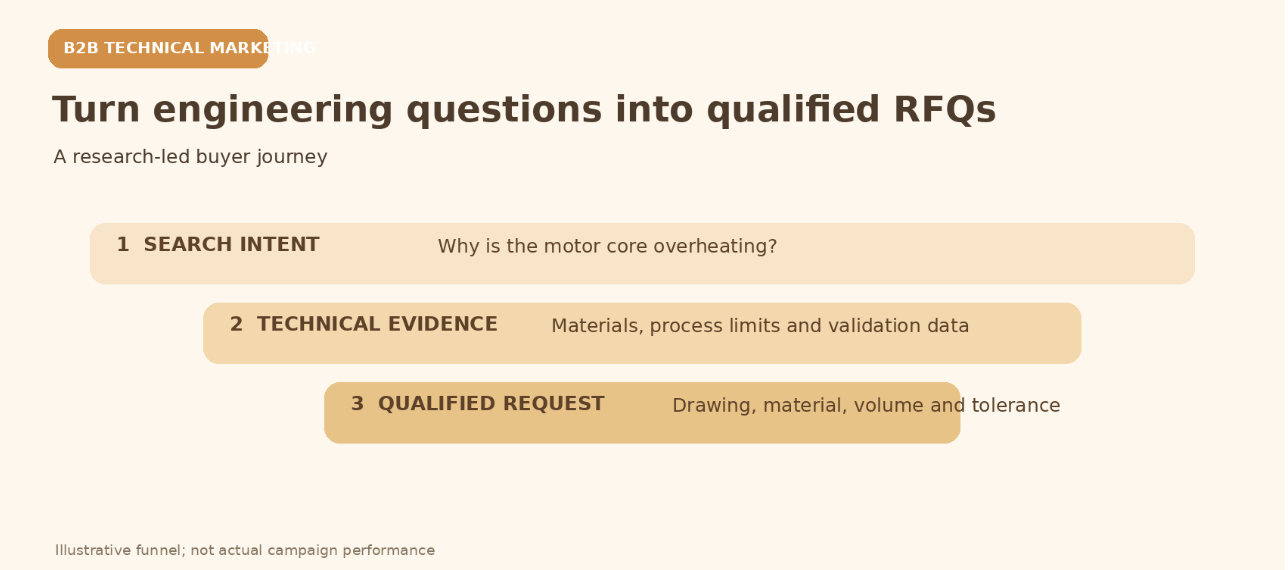
That research journey creates several distinct search intents. A designer may ask why a component overheats; a manufacturing engineer may compare two cutting processes; a sourcing manager may look for a qualified supplier; and a programme manager may want to understand lead-time risk. Publishing only service pages misses the earlier questions, while publishing only broad educational articles may attract readers who are unlikely to buy. A useful content plan connects those stages with internal links that let a reader move from understanding the problem to evaluating a practical manufacturing route.
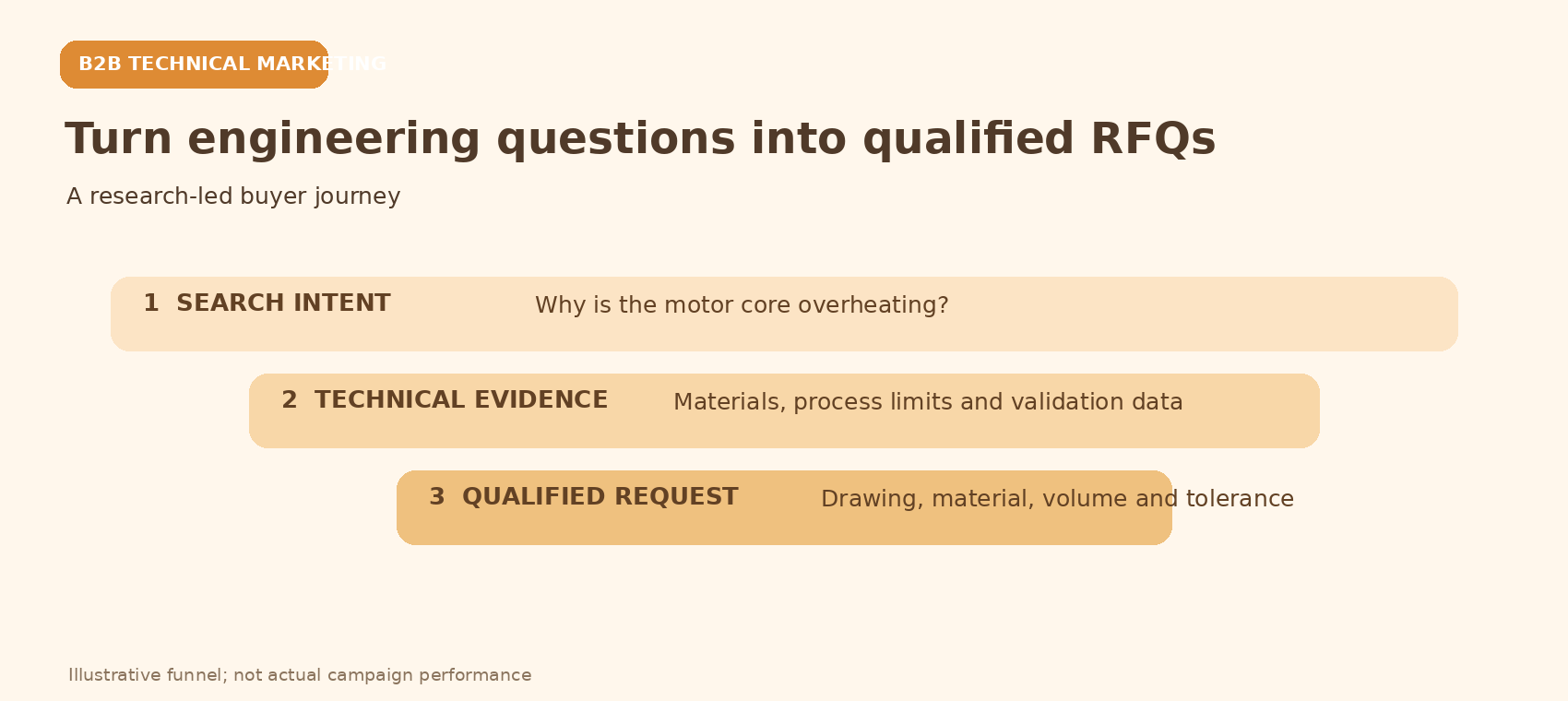
Figure 1. Technical research leads to better-qualified enquiries.
Good industrial content is specific. Instead of saying that a factory has advanced equipment, explain when a process is appropriate, what information the buyer should provide and what trade-offs may affect lead time or cost.
For a manufacturing service, that might mean describing the drawing formats accepted, the material options, the difference between prototypes and volume production, and the tests available. Photographs of real components or process stages can be especially useful when they are accurate and properly labelled.
A page about stator winding services, for instance, can address winding configuration, insulation, trial builds and electrical checks. Those details help an engineer determine whether the service is relevant before sending a detailed RFQ.
Original evidence makes technical content more persuasive. A photograph showing the edge of a laser-cut lamination, a labelled drawing of a stacking feature or a short inspection video can answer questions that generic stock photography cannot. The image must be accurate and authorised for publication, especially when customer-owned drawings or confidential tooling are involved. The accompanying caption should explain what the reader is looking at and why it matters; an unlabeled machine photograph rarely communicates much about the supplier's engineering capability.


Lead generation is not complete when someone fills in a form. In custom manufacturing, the sales team must turn that enquiry into a usable engineering conversation.
A strong RFQ process asks for the part drawing, expected annual quantity, application, material requirements, tolerance priorities, target dates and any validation standards. It should also make room for unknowns: buyers may still be deciding between materials or production methods.
The form should be short enough to encourage contact but structured enough to avoid repeated requests for basic information. A simple file-upload option and a clear explanation of confidentiality can improve the experience for engineering buyers.
A practical contact form can keep friction low while still inviting useful information. Rather than demanding every detail before the first conversation, request a brief project description, target quantity and the option to attach a drawing under appropriate confidentiality arrangements. A qualified employee can then ask focused follow-up questions about functional surfaces, operating conditions and acceptance criteria. This avoids the two extremes of a form so vague that sales cannot quote and a form so demanding that a promising early-stage customer abandons it.
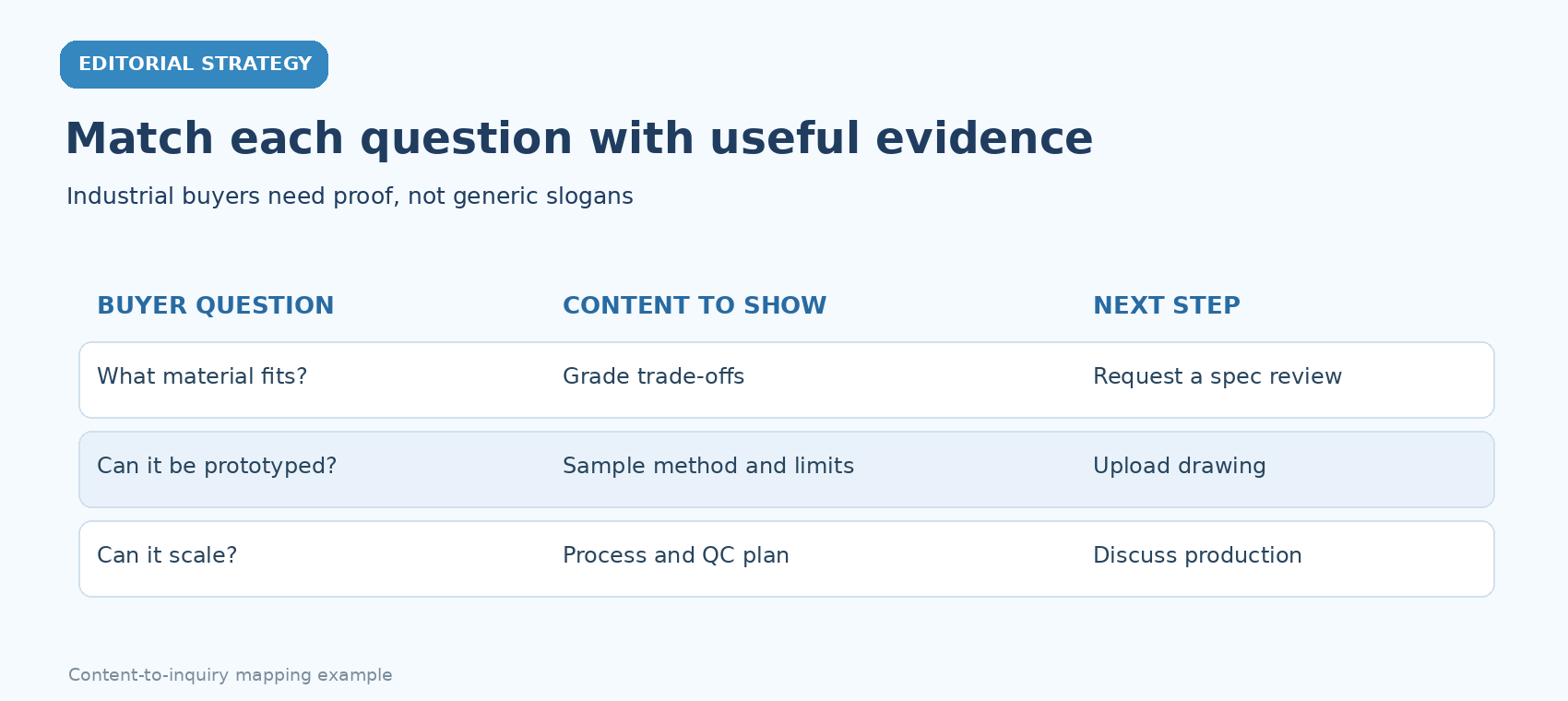
Figure 2. Match each engineering question to relevant evidence.
Outbound email can still work in industrial markets, particularly when the sender has identified a relevant application or design challenge. But a generic pitch sent to hundreds of unrelated companies rarely communicates why a supplier is a fit.
More useful outreach refers to a real technical issue, offers a concise resource and invites a specific next step. The resource should be helpful even if the recipient is not ready to purchase. That makes follow-up less dependent on pressure and more dependent on genuine project timing.
Marketing automation can organise contacts and follow-ups, but it cannot substitute for understanding the buyer's engineering problem.
Distribution should match the buyer's professional context. A process-selection article may be useful in an engineering publication, while a piece about supplier qualification may fit a manufacturing management audience. The goal is to contribute an explanation that stands on its own, with references to relevant technical resources where they genuinely help the reader. A placement that attracts no meaningful reader interest should not be mistaken for a successful marketing programme merely because it produces a backlink or a high domain-authority score.
Traffic and email-open rates can indicate attention, but industrial sales teams should also track whether enquiries contain viable applications, drawings and realistic production needs. A smaller number of qualified RFQs may be more valuable than a large volume of irrelevant form submissions.
Content performance should therefore be connected to later stages: technical review, quotation, prototype order and repeat business. Sales feedback can reveal which explanations attract serious buyers and which pages create confusion.
The central principle is simple. In industrial B2B markets, useful engineering knowledge is not separate from marketing. It is often the evidence a buyer needs before trusting a new supplier.
Useful measurement connects the first interaction to what happens next. Track which articles lead to drawing submissions, which enquiries reach technical review, which are quoted and which eventually become sample or production orders. Because industrial sales cycles can last months, short-term conversion rates should be interpreted cautiously. Feedback from engineers and salespeople is equally important: if a particular guide consistently attracts unsuitable requests, the page may need clearer limits on the processes, materials or quantities the supplier actually supports.
 AI tools to find & convert leads.
 Send emails at scale