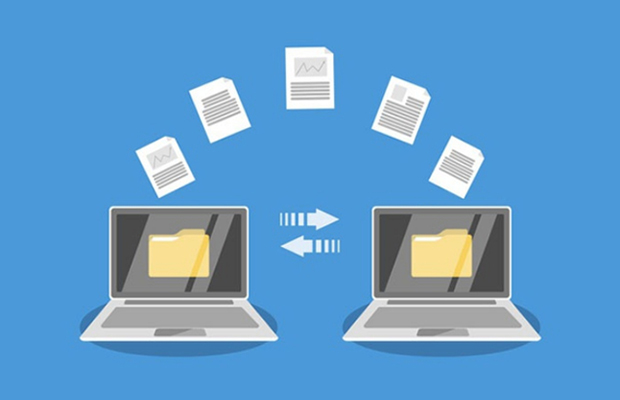
In an effort to better analyze data and obtain valuable insights concerning ways in which it can be improved, companies are turning to artificial intelligence. However, analytics are only as good as the information provided to the processing software, and an important determinant of this factor is the rate of data transfer between databases, the cloud, connected devices, and analytical software. A faster transfer rate will allow organizations to receive more timely information which will contribute to more insightful analytics that assist the company in obtaining a higher value from its information using processes.
Data Availability Supports Timely Decisions
Faster data transfer rates will enable analytical models to have better access to the information they need. In some cases, an analytics-driven organization will rely on multiple data sources to gain a comprehensive understanding of the issue at hand. For instance, businesses may be interested in tracking various data sets for retail applications, such as sales, inventory, and customer behavior, and for financial analysis, such as expenses, income, and market trends. By enabling faster data transfer, companies can ensure that the relevant data sets are regularly updated for the analytical models so that they can process the latest data and yield more timely results.
Faster data transfer rates might also lead to improved analytical model performance, which further emphasizes their importance. Before yielding any meaningful results, analytical models and databases oftentimes have to process large amounts of data, which is a time-consuming task. Faster rates of transfer between different computer hardware and software components can enable analytical models to optimize their utilization of the processing power, enhance their performance, and yield faster results. As such, businesses can improve their data analytics capabilities and extract more value from their data.
Model Performance Depends on Data Processing Speed
Many analytics-driven applications in the modern workplace involve real-time processing of information. Internet of Things-enabled equipment, such as manufacturing machinery, can collect and transmit valuable data about their performance to help maintenance personnel identify issues before they cause a significant disruption. Similarly, logistics systems can utilize tracking equipment to monitor the location and status of cargo and respond to potential problems in a timely manner. Faster data transfer rates can enhance such applications, as many industrial applications rely on networks and connections to access data sets, which can constitute a single point of failure. Organizations can mitigate this vulnerability by ensuring faster data transfer between different nodes in the network.
Faster data transfer rates can also empower businesses to build better analytical solutions for their employees and customers. Many such applications, including recommendation algorithms, fraud detection systems and customer support bots require timely access to the latest information to provide accurate results. Furthermore, these systems often rely on artificial intelligence, which means that they are only as good as their access to data. By providing analytical tools with more timely information, businesses can empower their own applications and give them an edge over competitors. It is important to note, that faster speeds are not the sole determinant of such advantages, and the size of the data set, the complexity of processing, and the overall design of the solution also matter.
Real-Time Analytics Improves Operational Responses
The overall capabilities and design of the network infrastructure play a crucial role in most businesses’ data transfer rates. Companies that rely on extensive analytics capabilities and serve more customers might experience transfer issues due to insufficient network performance. As such organizations work with large amounts of data, poor network performance can constitute a significant impediment to analytics-driven operations. Businesses should work with the appropriate internet providers to ensure that employees and customers can utilize the network consistently, especially when working with large volumes of data. Symmetrical bandwidth is especially important for companies that rely on cloud-based analytics solutions, as they have to provide workers with continuous access to data.
Network infrastructure is also crucial for remote work, which is becoming increasingly common in the modern economy. Telecommuting is a viable alternative for many workers and can relieve some of the pressure off the company’s network infrastructure. In addition, remote workers can utilize their home internet connection to access company data, analytics solutions, and essential software. However, it is important for organizations to recognize that such connections are usually inferior to the infrastructure possessed by the company, and they are unable to serve large-scale analytical operations. Nevertheless, remote access to data can enhance the user experience for telecommuting workers and improve their productivity.
Network Infrastructure Affects Analytics Reliability
Many organizations should reassess the costs associated with large-scale data transfer, as faster data transfer rates can empower businesses in a multitude of ways. First and foremost, businesses can optimize the utilization of network bandwidth and reduce waste. Second, companies can reduce the amount of time spent waiting for analytics to finish, which can improve overall productivity and ensure that employees can use their working time wisely. It is crucial to weigh the opportunity costs of faster data transfers and determine if they are actually beneficial in a given scenario. Businesses that use analytics tools extensively and spend considerable time and resources on transferring data and waiting for the results should analyze the impact of faster data transfer rates. After weighing the opportunity costs and analyzing the current performance of their solutions, companies can determine if faster speeds will provide the necessary value.
In many cases, businesses are likely to discover that faster speeds enable them to carry out more operations before the end of a given timeframe, thus enhancing the utilization of resources. Before deciding to invest in better network performance, companies should analyze the costs and benefits of faster data transfer rates to realize their potential value. Organizations should inspect their current data analytics capabilities and look for opportunities to improve, including increasing bandwidth, improving network infrastructure, and reducing losses associated with dropped data packets. By realizing the benefits of faster data transfer rates, companies can improve their analytics performance.
 AI tools to find & convert leads.