
Most product launches do not fail at go-live. They fail weeks earlier, in the planning nobody wrote down. A missed spec here, a skipped review there, and the date slips. Sales teams then scramble to sell something that is not ready.
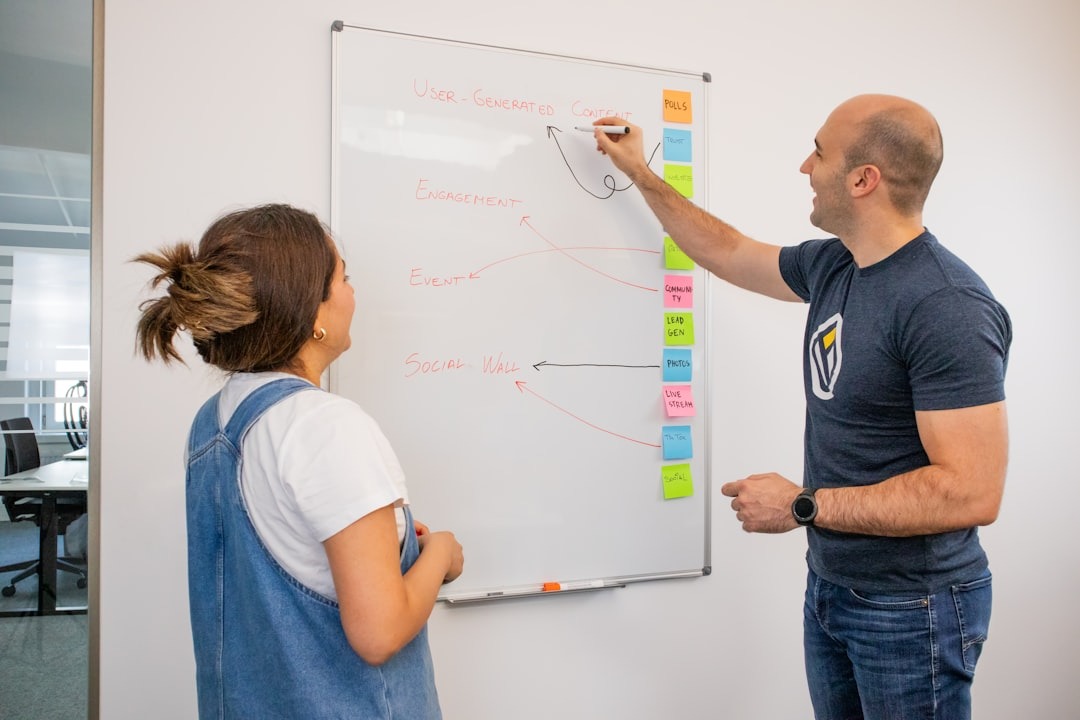
Alt text: Cross-functional team reviewing a product launch plan on a whiteboard in a bright office
A phased planning framework fixes that drift. Advanced Product Quality Planning, or APQP, breaks a launch into clear stages with gates between them. You can learn the framework through an apqp certification. This guide shows how the same discipline keeps any offer on track before go-live.
APQP is a structured method for planning a product before you build it. It grew out of automotive manufacturing in the 1980s. The goal was simple. Plan quality in early, rather than inspect for defects later. The framework spreads that work across 5 clear phases.
Each phase ends with a review, often called a gate. A team cannot pass a gate until it meets set criteria. That rhythm keeps everyone honest about progress. It also catches gaps while they are still cheap to fix.
The 5 phases move from idea to steady output. First you plan and set clear goals. Then you design the product and the process that makes it. The last 2 phases validate the result and lock in the gains. Each step feeds the next with clean, checked information.
Launches slip for reasons that feel small at first. One team assumes another owns a task. A supplier detail gets confirmed too late. Requirements shift after the work has already started.
These gaps share one root cause. Nobody agreed on the plan up front. A phased framework forces that agreement early. It turns vague hope into a written sequence of steps.
The cost of a late fix climbs fast. A change in planning takes an hour to sort out. The same change after launch can cost 10 times more. Catching it early is the whole point of the framework.


A gate is a checkpoint between two phases. The team reviews the work and decides whether to proceed. This mirrors how project managers run phased project work. No phase starts until the last one clears its bar.

Alt text: Person checking a launch readiness checklist next to a laptop on a desk
Gates do 2 things at once. They give leaders a clear go or no-go moment. They also give the team room to say a launch is not ready. That honesty saves far more than it costs.
A launch touches far more than the build team. Sales needs to know what it can promise. Marketing needs the message and the timing. Support needs to handle the first wave of questions.
APQP pulls these groups into the plan from day 1. Each team owns part of the readiness checklist. Firms that work this way tend to hit fewer surprises. You can see the pattern in companies that reach operational excellence across departments.
Readiness is not a feeling. It is a set of criteria you can check off. Good teams write these down before the work begins. A simple scorecard makes the status visible to everyone.
Quality planning offers ready-made tools for this. Control plans, checklists, and risk scores all track readiness. Many of these sit within standard project planning tools used in quality work. Pick 3 metrics that matter and review them at every gate.
Sales teams live at the sharp end of a launch. A weak plan lands on their desk as a broken promise. A strong plan hands them a product that works as sold. That difference shows up in the first 90 days of revenue.
The framework also sharpens the go-to-market story. When teams plan the offer together, the pitch matches reality. A clear launch shapes how a product shows up in market, as with new products in retail spaces. Readiness and messaging then move as one.
Growth teams gain a second win here too. A gated plan gives sales a firm date to build a pipeline around. Reps can book demos with real confidence. That trust between teams is worth as much as the product itself.
Every phase gate has clear, written pass criteria.
One named owner is set for each launch task.
Sales and support have signed off on the plan.
A risk review has covered the top 5 failure points.
The launch date holds at least 2 weeks of buffer.
Key metrics sit on a shared, visible scorecard.
Do not wait for all 6 signals to be perfect. Aim for steady progress at each gate instead. A launch that clears 5 of 6 is in strong shape. Fix the last gap before you commit the date.
A launch does not need luck to go well. It needs a plan that everyone can see and follow. APQP gives teams that shared map, phase by phase. Sales, marketing, and support all pull in one direction.
Start with 1 upcoming launch and add gates to it. Write the pass criteria before the work begins. Review them honestly at each stage. Do that a few times and steady launches become the norm.
APQP stands for Advanced Product Quality Planning. It is a phased method for building quality into a product early. The aim is fewer defects and smoother launches.
No, the mindset works for any planned launch. Software, services, and marketing offers all benefit. The core idea is planning quality in before you ship.
It depends on the size of the launch. A small offer might need 2 weeks of planning. A major product can run across several months and 5 phases.
Even a 3-person team gains from the structure. Start with gates and a short readiness checklist. Add more of the framework as the launches grow.
 AI tools to find & convert leads.
  Send emails at scale