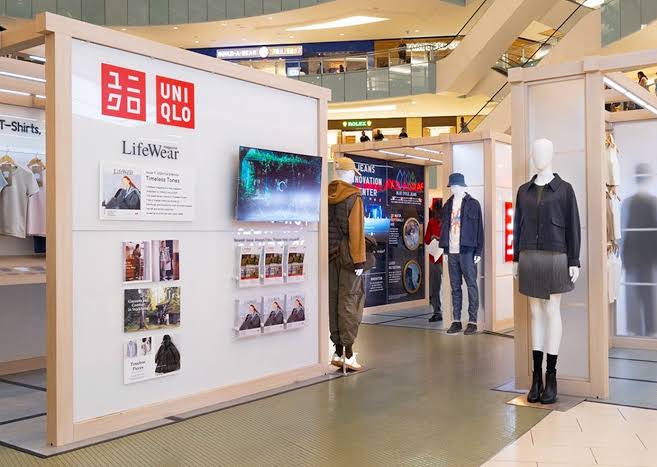
Launching a new product is hard enough without it getting lost on a crowded shelf next to a dozen established competitors. Retail shelves today are more crowded than ever, and shoppers make snap judgments in seconds as they walk past. For a brand new product with no existing reputation to lean on, the display it sits in often does more selling than the packaging itself.
This is exactly why more brands are investing in custom retail displays instead of relying on generic shelf space. Here's how the right display setup helps new products actually get noticed.
Standard shelving creates a repetitive visual pattern that shoppers scan quickly without really absorbing. A custom display, whether it's a unique shape, an unexpected material, or a distinct color block, interrupts that pattern and forces a second look, even from shoppers who weren't specifically looking for that category.
For a new product with no brand recognition yet, this interruption matters enormously, since it's often the only chance to catch a shopper's attention before they move on.
Shoppers form impressions about a product's quality long before they read any packaging copy, and the display it sits in plays a huge role in that first impression. A flimsy, generic rack can make even a well-made product feel cheap, while a thoughtfully designed display signals craftsmanship and attention to detail.
Recent retail research covered by PwC found that quality was one of the strongest influences on purchase decisions among shoppers surveyed at NRF's Big Show, ranking nearly as high as price itself. A premium-feeling display reinforces that perception of quality before a shopper even picks the product up.

Generic shelf space doesn't leave much room to explain what makes a new product different. Custom displays, on the other hand, can incorporate signage, tiered levels, or dedicated sections that guide a shopper's eye through a brand's story in a way flat shelving simply can't.
A few storytelling elements custom displays often make possible:
● Tiered risers that highlight bestsellers or new arrivals
● Branded signage explaining a product's unique selling point
● Sample stations that let shoppers try before buying
● Lighting that draws attention to specific product features
Retailers have limited floor space and constantly weigh which products deserve prime positioning. A well-designed custom display makes a retailer's decision easier, since it demonstrates that a brand is serious about its in-store presence and willing to invest in making the product succeed.
This kind of visible commitment often results in better placement decisions, since retailers naturally favor partners who make their space look more professional and complete.
The material a display is made from communicates just as much as its shape. Acrylic conveys a clean, modern feel well-suited to cosmetics or electronics, while wood might suit a more artisanal or premium positioning. Choosing materials intentionally, rather than settling for whatever is cheapest, helps a new product's display align with the brand identity it's trying to build.
Partnering with a manufacturer like ApexStoreSolutions early in a product launch often means the display and the brand identity are designed together, rather than the display being an afterthought added right before launch.
Not every product fits neatly into standard shelving dimensions. Oddly shaped packaging, delicate items, or products that benefit from being seen from multiple angles often need a display built specifically around their dimensions, rather than being squeezed into a generic slot designed for something else entirely.
This flexibility becomes especially important for new product categories that don't yet have an established shelving standard to follow.
For brands launching in multiple retail locations simultaneously, custom displays ensure the product looks the same, and communicates the same quality, regardless of which store a shopper walks into. This consistency matters enormously for early brand recognition, since inconsistent presentation across stores can confuse shoppers about what the brand actually stands for.
A unified display system also makes it easier for retail staff to restock and maintain the display correctly, since the design itself often guides proper setup.
Because custom displays are often deployed alongside a specific launch or promotional push, brands can track sales performance in those locations directly against the investment made in the display itself. This data-driven approach helps justify the upfront cost and informs decisions about where to expand the same display strategy next.
Over time, this tracking also reveals which display elements, whether it's lighting, signage, or placement height, actually drive the strongest results for a given product category.
Brands sometimes wait until a product is already underperforming to invest in better display presentation, but the strongest results usually come from planning display strategy alongside the initial launch itself. Retrofitting a struggling product with a better display can help, but starting strong from day one avoids the lost sales and diminished first impressions that come from a weak initial presentation.
For teams planning a launch timeline, building in enough lead time for a custom display to be designed, produced, and shipped to retail locations is just as important as finalizing packaging or pricing.
A new product's biggest challenge isn't always the product itself; it's getting noticed in a retail environment already crowded with established competitors. Custom displays give brands a practical way to stand out, communicate quality, and tell their story before a shopper ever reads the packaging. For any brand serious about a successful launch, the display strategy deserves just as much thought as the product itself.
 AI tools to find & convert leads.
  Send emails at scale