
We need to talk about why content marketing works, because most explanations get it backwards.
Content marketing isn’t a magic trick for instant traffic or a box to check for the SEO team. When it wins, it does something far more basic – it ends the conversation.
Think about the last time you had a real problem. You most probably searched, read, and clicked through several tabs. Then you landed on one page that finally gave you the answer – clear, complete, and without pushing a product. At that moment, you stopped searching and trusted that source.
That moment of trust, repeated across hundreds of people and dozens of problems, is what builds a brand. It’s the slow, deliberate work of becoming the definitive answer. That’s how you build real authority.
Let’s break down how to become that final stop in the search.
People avoid sales pitches. They seek solutions. When you lead with education instead of promotion, you catch people at the exact moment they’re looking for help, not when you’re trying to make a sale.
The timing matters more than you’d think. Research shows consumers are 131% more likely to purchase from a brand immediately after consuming educational content in the early stages of their journey. They’re gathering information, comparing options, and building trust.
Show up with genuine help during this phase, and you’ve already separated yourself from competitors who jump straight to “buy this from us.”
Here’s how to do this right:
Discover the questions your audience asks before they’re ready to buy.
Ask yourself: What problems do they need to solve first? What knowledge gaps stop them from moving forward?
Create content that answers these questions completely, without holding back the good stuff to gate behind a form or pitch.
Skip the product mentions. If your content can’t stand alone as valuable without mentioning what you sell, rewrite it.
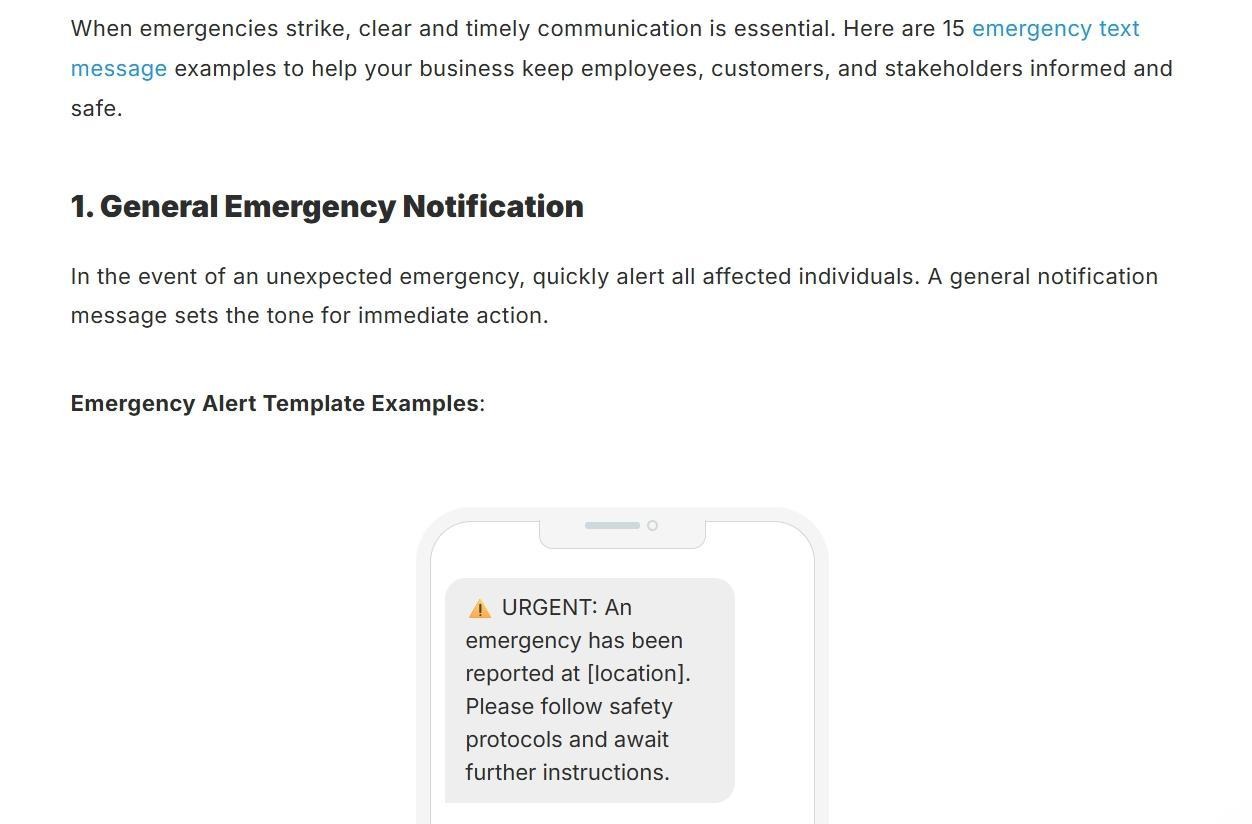
Let’s see how this works from the perspective of DialMyCalls, a platform for sending mass text messages. Their article “15 Essential Emergency Text Message Examples for Businesses” targets companies researching crisis communication. Those are people who aren’t ready to choose a provider yet.
The piece delivers real examples they can use immediately. There are no sign-up walls and constant reminders that DialMyCalls exists. Just practical templates for emergencies.
The article ranks well because it answers what people actually search for. More importantly, readers remember who helped them when they weren’t being sold to. When they’re ready to pick a mass texting service, DialMyCalls has already proven that it understands the use case.
That’s how educational content converts without selling.
Source: dialmycalls.com
Many buying decisions stall because the options feel hard to evaluate. Features blur together, tradeoffs stay unclear, and people worry about choosing wrong.
Content that simplifies comparison removes that friction. When readers can quickly see how choices differ, they move forward with confidence. That confidence strengthens trust and keeps your brand tied to clarity and competence.
This tactic works especially well for high-consideration topics. Search engines and generative systems favor pages that organize information cleanly and answer follow-up questions in one place. Comparison-focused content signals depth, structure, and usefulness. It allows readers to stay longer, scan faster, and return when they need to decide.
Here’s how to do this right:
Focus on the decision criteria that matter most to your audience. Skip everything else.
Identify the few details people use to compare options, such as price, reliability, setup, limitations, or support.
Present those details in consistent formats. Tables work well because they reduce cognitive load and support quick scanning.
Keep labels clear and avoid jargon. If a detail needs explanation, add a short note below the table rather than cluttering the layout.
Update content regularly and cite sources when needed. Outdated or vague comparisons break trust fast.
Explain who each option fits best. That guidance helps readers self-select without feeling pushed.
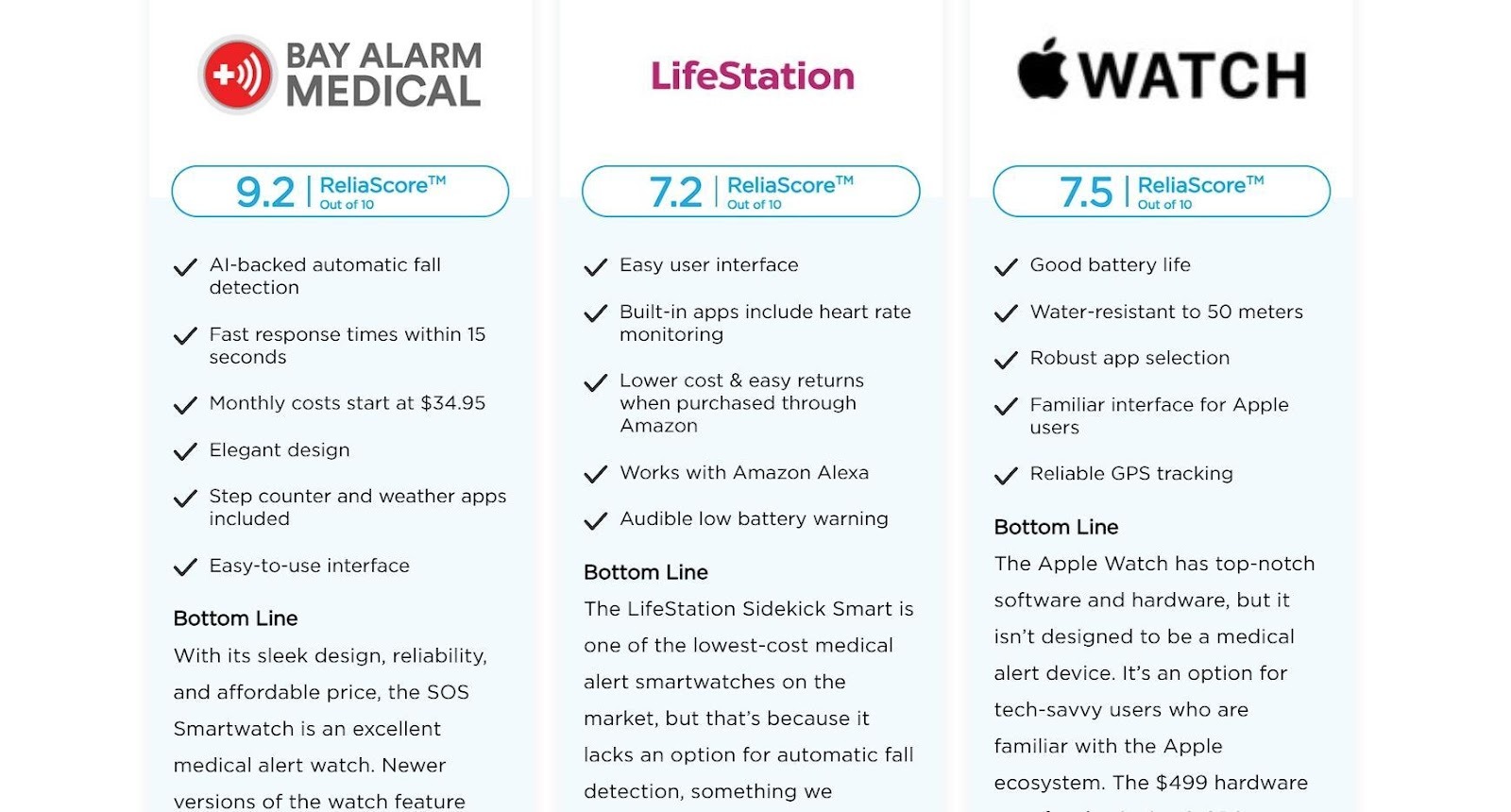
A perfect example here is Medical Alert Buyer’s Guide, a site dedicated to reviewing medical alert systems for older adults. Their article “The Best Medical Alert Watches for Seniors of 2026” centers on detailed comparison tables.
These tables allow readers to quickly evaluate devices based on features, pricing, response times, and usability. The layout makes differences obvious without forcing a narrative.
By prioritizing clarity and structure, the site helps families make informed decisions. That helps the brand position itself as a reliable authority in a sensitive, high-impact niche.
Source: medicalalertbuyersguide.org


Video delivers information faster and more clearly than text alone. With video, people process visuals quickly, and they can follow a product’s features or a process without needing to interpret long paragraphs.
When asked how customers would like to learn about a product or service, 63% say they’d most like to watch a short video. That preference shows why video is a powerful tool for building authority and making complex information easy to understand.
Video also keeps people engaged longer. A well-made video can hold attention while covering the full scope of a topic. That increases trust, especially when the content is thorough and honest. Search engines and generative systems also value video because it signals quality and depth, especially when paired with strong written content.
Here’s how to do this right:
Start by planning the story you want to tell.
Keep videos short and focused, but don’t skip important details.
Use clear visuals, simple language, and a steady pace. Invest in a good AI tool like seedance 2.0 for video creation, it gives you cinematic and clear visuals with minimal effort.
Include captions, because many people watch without sound.
Structure your video like a written article: introduce the topic, cover key points, and end with a clear takeaway.
For product comparisons, show the product in use, highlight key differences, and call out who each option fits best.
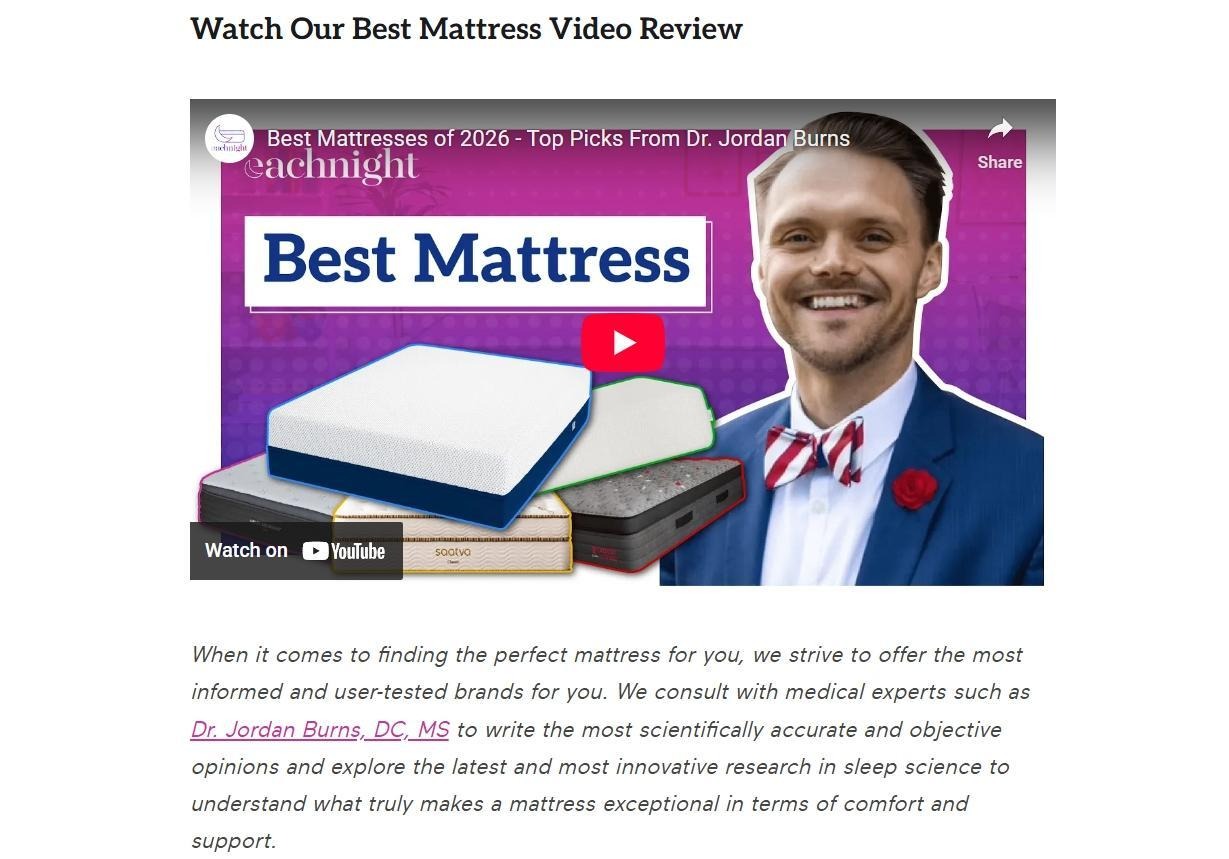
Eachnight, a platform focused on sleep resources and support, uses videos effectively in its “Best Mattresses of 2026” guide.
The article is already comprehensive, but it also includes a full video that covers the entire guide. Each product featured in the article has its own overview video, making it easy for readers to learn quickly and confidently.
This combination of detailed writing and supportive video helps Eachnight stand out as a trusted source in the sleep space.
Source: eachnight.com
Internal linking is effective because it turns individual articles into a connected system. When readers find one useful page, internal links guide them to the next logical topic. This keeps people on your site longer, increases trust, and signals to search engines that your content is deep and organized.
Instead of a single article standing alone, you create a web of information that supports the notion that you know your space.
The real benefit is that internal linking reduces friction. Readers don’t have to search again or guess where to go next. They can move through related topics in a smooth path. That makes your brand feel more helpful and reliable. It also strengthens authority because it shows you’ve covered a topic from multiple angles, not just once.
Here’s how to do this right:
Start with a content map. Group topics into clusters around main themes and buyer questions.
Each cluster should have a pillar page and supporting articles.
Link from the pillar to the supporting pages and back again.
Use natural anchor text that matches the topic, not vague phrases like “click here.”
Keep links relevant and useful. Too many links feel spammy and reduce trust. Aim for a few strong links per page that actually help the reader.
Update old posts with links to newer content. This keeps the ecosystem current and improves discovery for both readers and search engines.
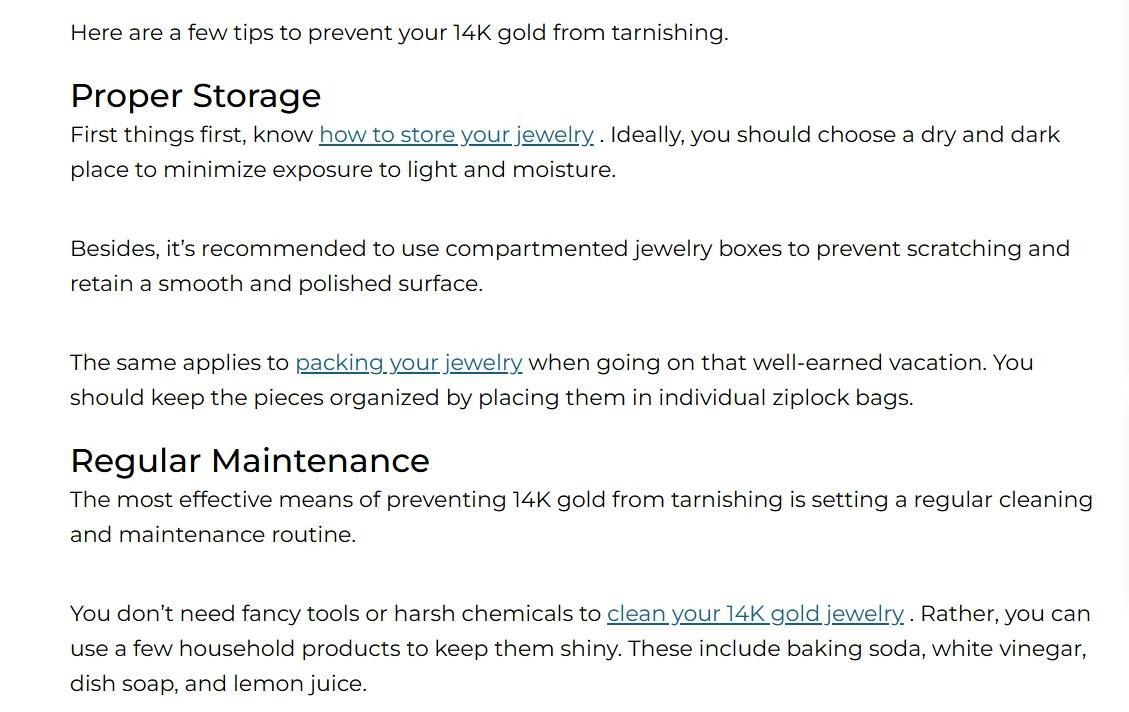
Icecartel, a men’s jewelry brand, uses internal linking well in its article “Does 14K Gold Tarnish?”
The article provides solid information about gold quality and care, and it includes multiple links to other relevant posts on their blog. That creates a content ecosystem that keeps readers moving from one topic to the next.
The result is more time spent on the site, stronger brand recognition, and a clearer reputation as a knowledgeable source, whether the focus is on men’s jewelry or unique home décor items like a leaf shape salt lamp.
Source: icecartel.com
Original research gives people a reason to trust you first and remember you later. When content repeats what everyone else has already said, it blends into the noise.
Research-based content stands out because it adds new knowledge to the conversation. It gives readers a reason to cite your work, link to it, and return for more. That builds authority faster than most other tactics.
Research also supports better decision-making. People want evidence, not opinions. When you show the data behind your recommendations, you reduce doubt and increase confidence. That makes your brand feel more credible and more reliable. It also helps your content rank better because search engines favor unique, high-value material that answers specific questions in a measurable way.
Here’s how to do this right:
Find what truly matters to your audience. Pick a topic where data can reveal real differences, like timing, pricing, performance, or user behavior.
Collect data in a structured way and keep the process transparent.
If you’re using surveys, be clear about sample size and method. If you’re analyzing internal data, explain the timeframe and any limitations.
Present the results in simple visuals and clear takeaways. Avoid overcomplicating the analysis. The goal is to make insights easy to apply.
Once the research is published, promote it through your channels and make it easy to share.
Create a short summary, highlight key findings, and offer a downloadable version.
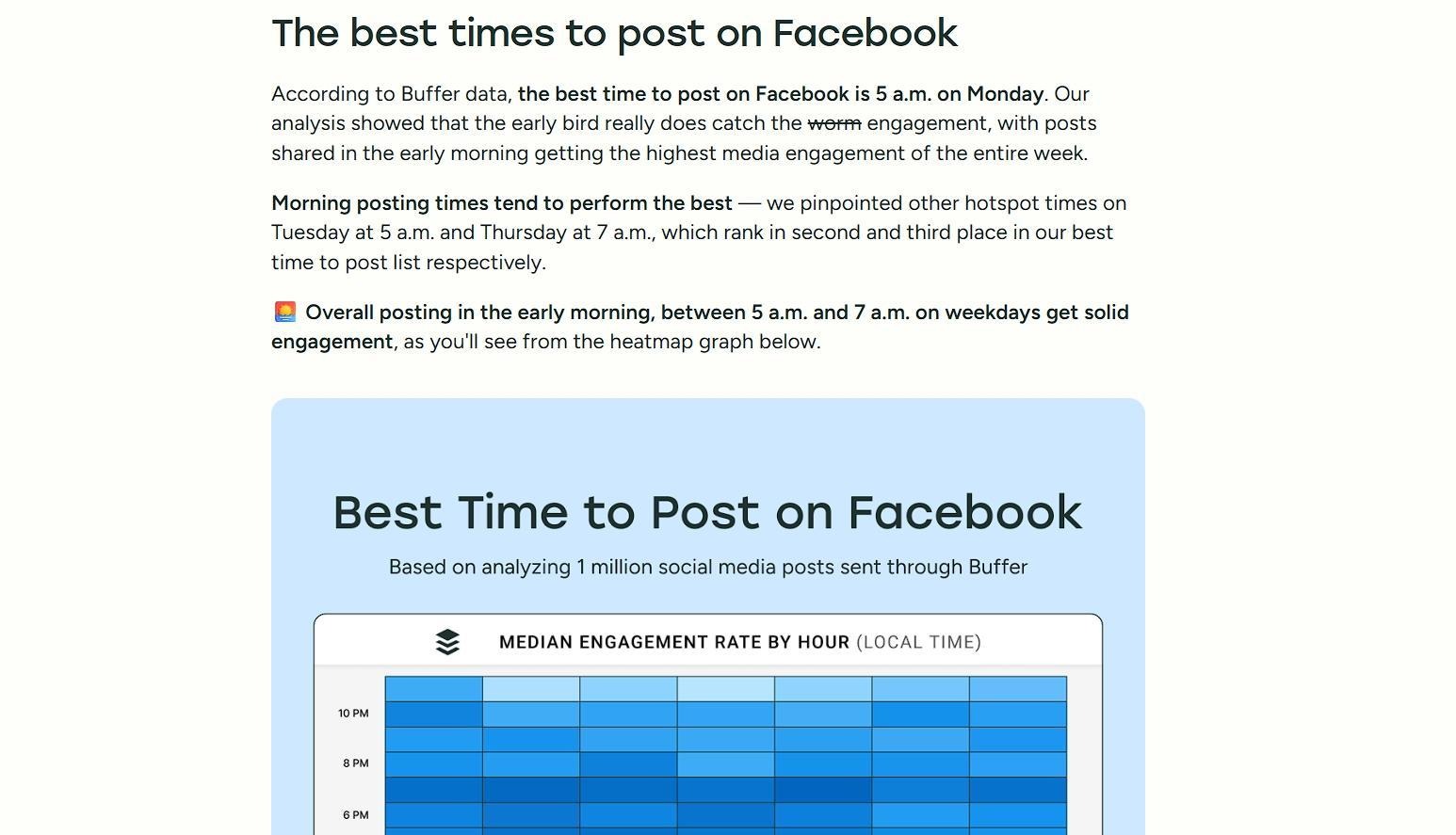
Buffer, a platform for scheduling and analyzing social media posts, masters this. While many sites speculate on the “Best Time to Post on Facebook,” Buffer conducted its own definitive analysis.
Their team examined 1 million Facebook posts from real accounts using their platform to discover the specific times, days, and post formats that drive the highest engagement. By doing this legwork, Buffer provides immense, practical value that is both unique and trustworthy, directly reinforcing its position as an expert in social media management.
This turns a common question into a powerful demonstration of their expertise.
Source: buffer.com
Content wins when it helps people make decisions, learn something new, and trust your brand over time.
The tactics above (teaching first, making comparisons easy, using video, building internal links, and publishing original research) turn content into a system that builds authority and recognition.
When you focus on usefulness first, brand recall follows naturally.
 AI tools to find & convert leads.
  Send emails at scale