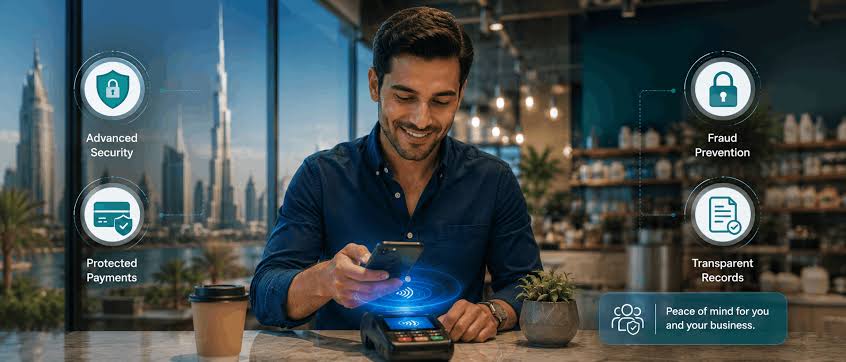
Cashless payments have become a standard feature of in-store shopping, with more customers choosing cards and QR-based options for speed and convenience. However, concerns about fraud and unauthorized charges still influence purchasing decisions. Many shoppers worry about compromised payment terminals and the possibility of their personal information being exposed during transactions. These fears often cause hesitation at checkout, leading some customers to abandon cashless payments or choose stores they perceive as more secure.
Because brick-and-mortar stores are public spaces, security risks can feel more immediate. For this reason, business owners must actively demonstrate safe payment practices while also educating shoppers about the protections in place. When customers see that security receives serious attention, they feel more comfortable completing purchases and developing long-term loyalty.
1. Display Security Signals at Checkout Counters
Checkout counters represent the most visible point of interaction between customers and payment systems. Displaying recognizable payment network logos and certification seals immediately communicates credibility. These visual signals reassure customers that the store follows industry standards and works with trusted providers. In addition, keeping terminals positioned in clear view allows shoppers to observe the transaction process, which reduces suspicion about skimming devices or unauthorized equipment. When customers notice organized and well-maintained payment areas, they associate the environment with professionalism and safety.
2. Upgrade Point-of-Sale Hardware and Payment Terminals
Modern hardware also plays a central role in protecting in-store transactions. EMV chip-enabled terminals and card swipe machines equipped with encryption features reduce the risk of counterfeit card fraud while supporting faster and more reliable checkout experiences. Contactless and NFC-enabled readers further enhance security by reducing the need for customers to insert or swipe their cards, which limits physical contact and the risk of card data being skimmed.
Meanwhile, encrypted QR payment systems protect mobile wallet users from data interception by generating unique, one-time codes for each transaction. This ensures that sensitive payment information is never transmitted in plain text, making it extremely difficult for hackers to access or replicate.
3. Offer Trusted and Familiar In-Store Payment Methods
Payment options influence customer confidence as much as convenience. Accepting payments from well-known card networks and popular mobile wallets assures customers that transactions receive protection from established fraud monitoring systems. Moreover, offering multiple cashless options allows shoppers to choose the method they trust most. This flexibility reduces checkout friction while also catering to different customer preferences.
4. Train Cashiers and Frontline Staff on Secure Payment Handling
Frontline employees directly influence how secure customers feel during transactions. Staff should learn proper payment procedures, including operating the credit card terminals, while also guiding customers through each step without requesting unnecessary personal information. Training should emphasize guiding customers step-by-step, such as when to tap their card on the NFC terminal, confirming the payment is processed, and then prompting them to remove their card. These small actions reduce confusion and make customers feel more in control of the transaction.
Employees should also encourage safe customer behavior, such as shielding PINs and verifying receipts. At the same time, they must remain alert to unusual activity, including attempted distractions or terminal tampering. Staff should also be equipped to monitor and report any issues with payment equipment to ensure devices remain secure and fully functional. When your team has comprehensive training on both technical procedures and customer-facing interactions, they perform transactions confidently, helping customers feel secure throughout the payment process.
5. Practice Transparent In-Store Data Protection Communication
Transparent communication reassures customers and eases concerns about transaction security. Simple privacy notices placed near cashier stations can explain that the store does not store card numbers and relies on secure payment processors. Additionally, staff members should be prepared to answer basic questions about transaction safety and data handling. When customers receive direct and honest explanations, they develop greater confidence in the store’s practices. Transparency also demonstrates accountability, which strengthens the relationship between the business and its shoppers.
6. Monitor and Maintain In-Store Payment Equipment
Regular equipment checks prevent security issues and technical failures. Staff should inspect terminals daily for signs of tampering, such as loose parts or unfamiliar attachments. To reduce the risk of unauthorized access, secure payment devices with proper mounts and cable management. Moreover, coordinate scheduled maintenance with payment providers to ensure that systems remain compliant with industry standards. Remember that consistent monitoring protects both the store and its customers from potential threats.
Strengthening In-Store Relationships Through Secure Payments
Strong payment security contributes directly to customer trust and brand reputation. When shoppers experience smooth and protected transactions, they associate the store with reliability and professionalism. This positive perception also encourages repeat visits and long-term patronage. Over time, secure payment practices become part of the store’s service identity, helping physical retailers stand out in a competitive market while creating an environment where customers feel confident paying digitally.
 AI tools to find & convert leads.