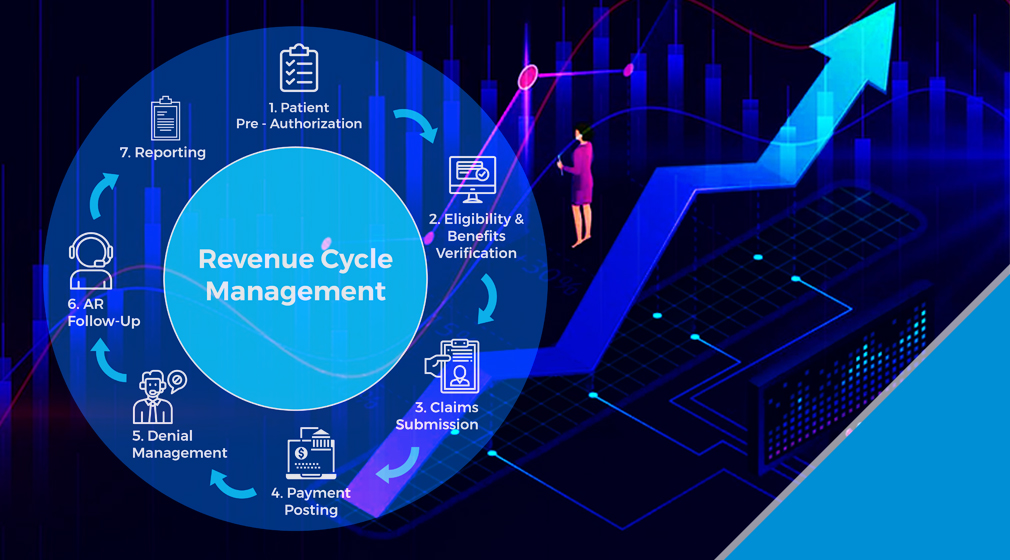
Healthcare organizations continue to face rising administrative demands, evolving regulations, and shifting reimbursement models. In this environment, revenue cycle management has become more than a back-office task. It’s now a strategic function that directly affects financial stability and patient satisfaction. As practices aim to streamline their billing workflows, reduce costs, and improve collections, cloud-based medical billing tools are quickly emerging as the preferred approach for modernizing the revenue cycle.
Cloud adoption in healthcare has accelerated over the past decade, but its impact on medical billing has been especially profound. Providers once relied on manual processes, disconnected systems, and repetitive tasks that slowed payments and increased the risk of denials. Today, cloud-based platforms allow practices to work faster and more accurately by automating critical steps, integrating data, and providing real-time visibility into financial performance.
Cloud systems offer several advantages that are difficult for traditional on-premise solutions to match. Scalability, remote access, real-time updates, and lower infrastructure costs are just a few reasons practices are making the shift. But the real value lies in how these tools simplify the entire revenue cycle—from patient registration through final payment posting.
One of the biggest challenges for practices is ensuring accurate data capture at the beginning of the patient journey. Cloud-based solutions improve front-end accuracy with automated eligibility checks, digital forms, and immediate verification of insurance benefits. When errors are reduced at this stage, billing teams face fewer rejections and spend less time fixing claims later.
Mid-cycle processes benefit as well. Coding support, charge capture automation, and integrated documentation workflows help reduce variability and ensure compliant claims. Many platforms also include denial prediction tools that flag potential issues before claims are submitted.
By the time a claim reaches the payer, the practice has already addressed most common errors—improving the likelihood of clean submissions and faster reimbursements.
Automation is now essential for practices trying to stay financially healthy while managing larger workloads. Many cloud-based systems incorporate rule engines, task automation, and analytics that make billing teams more efficient. Instead of spending hours entering data or checking statuses manually, staff can focus on resolving exceptions and improving revenue performance.
Automation is also enabling small and mid-sized practices to compete with larger healthcare organizations. With cloud-based platforms, they gain access to advanced tools without needing a full IT department. They can streamline scheduling, claims management, and payment posting using a single system.
CureMD is one example of a cloud platform that practices often adopt to modernize their billing processes. Its automation features help reduce repetitive tasks, improve accuracy, and accelerate payment cycles. Many practices that transition to tools like CureMD report using fewer manual workflows, fewer phone calls to payers, and significantly improved cash flow.
Technology alone cannot solve every RCM challenge. Staffing shortages, training gaps, and growing complexity mean many healthcare organizations now choose to outsource revenue cycle management services to gain additional support. Using cloud platforms makes outsourcing more efficient because vendors and internal teams can access the same real-time data from anywhere.
For practices struggling with high denial rates, delayed reimbursements, or inconsistent staffing, outsourcing provides a way to stabilize operations. Outsourced teams specialize in coding, billing, and payer follow-up, and they typically use the same advanced cloud tools to manage workflows. This creates a more seamless experience and reduces revenue leakage.
CureMD is frequently chosen by practices that outsource because its cloud infrastructure makes collaboration easy. Both internal staff and external billing teams can view claims, updates, tasks, and performance analytics without having to exchange spreadsheets or work in separate environments.
One of the biggest advantages of modern RCM tools is the visibility they provide. Cloud systems offer dashboards, automated reports, and predictive analytics that help practices monitor financial performance in real time.
Integrated with an EHR software, these insights connect clinical and financial data, enabling providers to make more informed decisions.
Understanding key performance indicators—such as days in A/R, clean claim rate, denial rate, or collection percentage—enables practices to make more informed decisions. Instead of reacting to problems months later, billing managers can spot trends early and intervene quickly.
Advanced analytics also help identify which payer contracts need renegotiation, which procedures generate the most denials, and where workflow bottlenecks occur. These insights are valuable for any organization but especially for small practices that cannot afford extended delays in payments.
CureMD offers analytics features that enable providers to track performance across all stages of the revenue cycle. Practices often turn to these insights to identify coding gaps, billing delays, and opportunities to improve cash flow. Cloud analytics not only show what went wrong but also help forecast financial outcomes, giving providers more control over their future revenue.
Many rcm companies have built their entire service models around cloud-based medical billing tools. These organizations rely on integrated systems to handle claims in high volumes, maintain compliance, and manage payer relationships more effectively. Using cloud platforms allows them to scale quickly, support multiple clients, and improve turnaround times.
When practices partner with experts who already use advanced cloud tools, they get the benefits of both technology and specialized knowledge. For example, RCM firms can quickly analyze denial patterns across multiple clients and use those insights to strengthen appeal strategies. They can also implement workflow automation best practices learned from years of industry experience.
Providers who collaborate with RCM partners gain access to a large knowledge base without having to hire, train, or manage additional staff. It’s an effective way to enhance the capabilities of internal teams while still maintaining oversight of financial performance.
CureMD is commonly used by these RCM firms because it integrates practice management, EHR, billing, and automation into one platform. This helps billing companies work productively while supporting their clients with transparent, real-time access to data.
Patients increasingly interact with billing systems through online portals, digital statements, and automated reminders. Cloud platforms support a smoother financial experience by centralizing payment options, offering text or email reminders, and enabling transparent communication.
When billing is clear and convenient, patient satisfaction increases. Practices that use cloud-based systems tend to collect payments faster because patients can pay from any device without needing paper statements or phone calls.
The shift toward consumer-friendly billing has made RCM more than a back-office function. It now plays an important role in shaping how patients perceive their care experience. Tools like CureMD contribute to this shift by offering patient-centered features such as online billing and accessible financial information.
As regulations evolve and payers implement more complex reimbursement rules, the demand for reliable rcm services will only continue to rise. Cloud-based tools will remain foundational because they reduce operational burden, increase efficiency, and help organizations maintain financial stability.
Future innovations may include more AI-driven coding support, predictive denial prevention, and even more integrated payer communication tools. Automation will continue to expand, allowing billing teams to focus on improving workflows rather than managing repetitive tasks.
Healthcare organizations that embrace cloud-based RCM tools will be better positioned to adapt to changes and compete in an increasingly digital industry. Those that combine technology with experienced RCM partners will likely see the strongest financial outcomes.
CureMD, along with other leading cloud platforms, will continue to play a major role in this transformation as practices look for ways to modernize operations, reduce manual effort, and optimize reimbursements.
Author Bio:
Nathan Bradshaw is a healthcare IT and digital health strategist with over a decade of experience in EHR, medical billing, and practice management. He helps physicians, clinics, and healthtech innovators optimize operations, revenue, and patient care through technology-driven solutions. Nathan shares insights on healthcare innovation, AI in medicine, and practice growth to educate and inspire professionals across the industry.
 AI tools to find & convert leads.