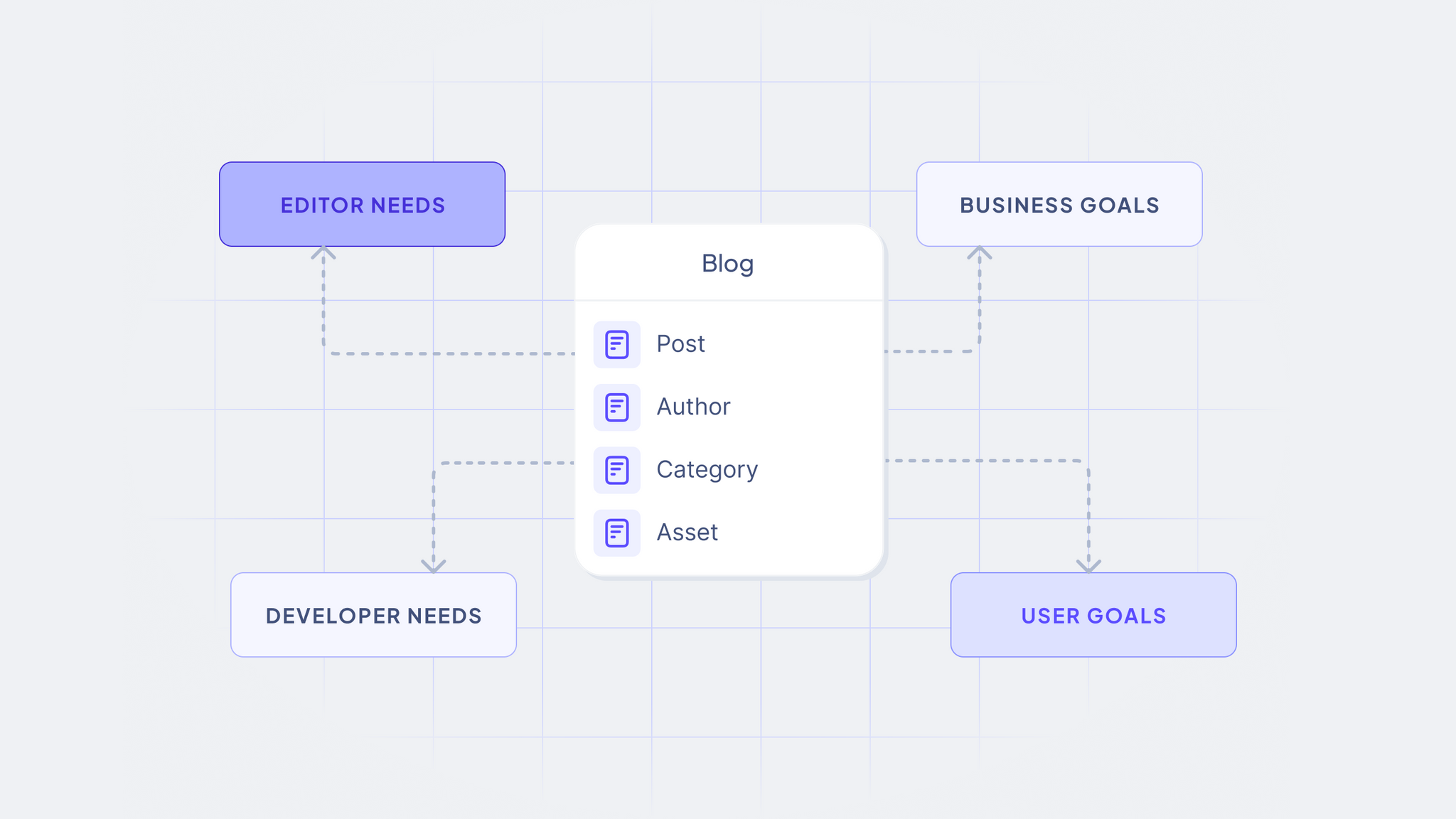
In today’s digital world, businesses need to create and manage vast amounts of content that can be easily scaled, distributed, and adapted across multiple channels. As digital products evolve and expand, the challenge of maintaining consistency, relevance, and efficiency becomes increasingly complex. This is where structured content models come into play, helping organizations streamline their digital content creation and management processes.
Structured content models are a powerful approach for managing digital products at scale, allowing businesses to produce high-quality, adaptable content with ease. This article explores the key concepts of structured content models, their importance in scaling digital products, and how they can be leveraged effectively to maintain content integrity and deliver personalized experiences.
At the core, a structured content model refers to the system and framework used to organize and categorize content in a way that makes it easier to create, store, manage, and repurpose. This approach differs from traditional content management systems (CMS) that store content in a fixed format. Instead, structured content models focus on breaking down content into modular, reusable components.
For example, a product description for an e-commerce site might be divided into sections such as "Product Name," "Specifications," "Features," and "Pricing." These components can then be reused across different products, websites, and digital channels, ensuring consistency and reducing the time required to generate new content.
In a structured content model, content is treated as data, rather than text. It is organized in a way that can be easily parsed, adapted, and delivered in different formats and structures depending on the needs of the business and its audience.
As digital products grow and evolve, so does the amount of content required to support them. Whether it’s e-commerce websites, educational platforms, or subscription services, businesses must be able to efficiently manage and deliver content at scale. Structured content models are essential for several reasons:
Structured content models help ensure that your digital products are represented consistently across all touchpoints. For example, if you’re selling a product on multiple platforms (such as an app, website, and social media), the content about that product—its description, features, and pricing—must remain consistent. With structured content, you can easily push the same content across multiple channels while maintaining uniformity.
With a structured approach, content components can be easily rearranged or modified to meet the specific needs of different digital products. For instance, content intended for a website might require a more detailed description, while content for a mobile app could be condensed for brevity. Structured content allows you to adapt the same underlying content to various formats without needing to rewrite everything from scratch.
Managing and maintaining large volumes of content manually can be time-consuming and costly. Structured content models automate many aspects of content creation, reducing the need for repetitive manual work. Tools like Genspark AI further enhance this efficiency by generating human-like content that feels natural and engaging rather than robotic, making large-scale content management more streamlined and effective. By breaking content into reusable components, you can quickly assemble and publish new content without starting from scratch each time.
Structured content models also make it easier to personalize content for individual users. By tagging content with specific attributes—such as user preferences, location, or behavior—you can dynamically adjust the content that is delivered to each user. This helps create a more personalized experience, improving engagement and conversion rates.
When it comes to scaling digital products, especially in large enterprises or across multiple markets, the ability to rapidly generate and manage content is crucial. Structured content models support scalability by:
As digital products scale, multiple teams—designers, content creators, developers, marketers—need to collaborate to produce and deliver content. With structured content, teams can work independently on different components of the content, ensuring that everyone is aligned and that content can be easily integrated into the larger product ecosystem.
Rather than having content scattered across different systems, structured content models centralize content in one location. This enables easier updates, better version control, and faster access to content. It also ensures that teams work with the most up-to-date version of content, which is essential for consistency and accuracy.
With structured content, automation becomes possible. Content generation and delivery can be automated through APIs and integrations with other systems. For example, AI-powered tools can assist with content generation and modification, making it easier to produce large amounts of content while maintaining quality and relevance. Automation helps reduce human error, saves time, and allows businesses to scale their digital products with minimal manual intervention.
Artificial intelligence (AI) plays a significant role in enhancing structured content models. By leveraging AI technologies, businesses can automate content creation, improve personalization, and streamline the content management process.
AI-driven solutions are designed to analyze content patterns, generate contextually relevant content, and suggest optimizations. For instance, AI tools can automatically generate product descriptions, blog posts, or social media updates based on predefined templates or content models. This reduces the time required for content creation and helps ensure that content meets the brand’s voice and style guidelines.
Furthermore, AI can enhance the adaptability of structured content models by analyzing user behavior and suggesting content adjustments based on individual preferences. AI-powered content models can also help businesses stay ahead of trends by providing insights into what types of content resonate most with their audiences. Tools such as those provided by SEO for Generative AI can help automate these processes, making it easier for businesses to scale their content production.
While structured content models offer immense benefits, implementing them requires careful planning. Here are some best practices to follow:
Define Clear Content Components – Break down your content into logical, reusable components such as headings, images, text blocks, and metadata.
Choose the Right Tools – Invest in a content management system (CMS) that supports structured content and integrates with other systems in your tech stack.
Standardize Content Formats – Establish standardized content formats to ensure consistency and streamline content creation.
Leverage Automation – Use AI and automation to help manage, update, and optimize your content as your digital products scale.
Continuously Monitor and Improve – Regularly assess your structured content models to ensure they align with business goals and customer expectations.
Structured content models are a powerful solution for businesses looking to scale their digital products effectively. By creating modular, reusable content components, companies can deliver consistent, personalized, and high-quality content across multiple platforms. This approach not only streamlines the content creation process but also ensures that businesses can adapt and respond quickly to changing market demands.
By embracing structured content models, businesses can improve operational efficiency, enhance collaboration across teams, and deliver a more dynamic and personalized experience to their customers. This ultimately paves the way for continued growth in the digital marketplace, making structured content an essential strategy for any organization aiming for long-term success in an increasingly digital world.
 AI tools to find & convert leads.