
Key Takeaways
Lead loss often happens without warning signs, even when traffic and campaigns appear healthy
Website hosting plays a critical role in whether forms load, submit, and track reliably
Some leads attempt to convert but fail due to silent technical issues rather than lack of intent
Inconsistent tracking and data gaps are caused by unstable infrastructure, not tool errors
Strengthening the technical foundation of a site can improve lead performance more than changing platforms or messaging
Most lead loss doesn’t announce itself in any obvious way. Traffic stays steady, campaigns keep running, and the site appears to function as it always has. What changes is subtler. Conversion rates soften. Results feel inconsistent. Performance drifts just enough to trigger frustration, but not enough to point clearly at a cause.
That’s usually when people start adjusting the visible parts of the site. Copy gets rewritten. Layouts are tweaked. Tools are swapped. The assumption is that the problem must live where the user interacts.
Very often, it doesn’t.
People talk about patience online, but intent rarely waits around. When someone decides to submit a form, they’ve already crossed a small psychological threshold. That moment can evaporate quickly if the page hesitates or the form loads a beat too late.
Underpowered hosting environments make this worse in ways that are easy to miss. Lead capture tools, analytics scripts, and form handlers don’t all load simultaneously. They queue, they lag, and sometimes they fail to load at all. The page appears, but the machinery behind it hasn’t fully caught up. From the user’s perspective, nothing seems broken. From the business’s perspective, a lead never materialises.
In contrast, high-quality web hosting tends to remove this friction almost invisibly. Faster server response times, more consistent resource allocation, and better handling of concurrent requests mean scripts load when they should and forms behave predictably, even under pressure.
One of the least discussed causes of lost leads is silent form failure. On lower-quality hosting, limits around memory usage or execution time can interrupt form submissions after the user clicks submit. There isn’t always an error message. Sometimes the page refreshes. Sometimes it looks like it worked.
Nothing arrives on the other end.
Because there’s no obvious signal, these failures rarely get investigated. The drop in performance gets blamed on messaging or demand rather than on the fact that some users genuinely tried to convert and were stopped by the infrastructure underneath the site.
Lead generation tools don’t capture those leads because they never receive them. The failure happens earlier.
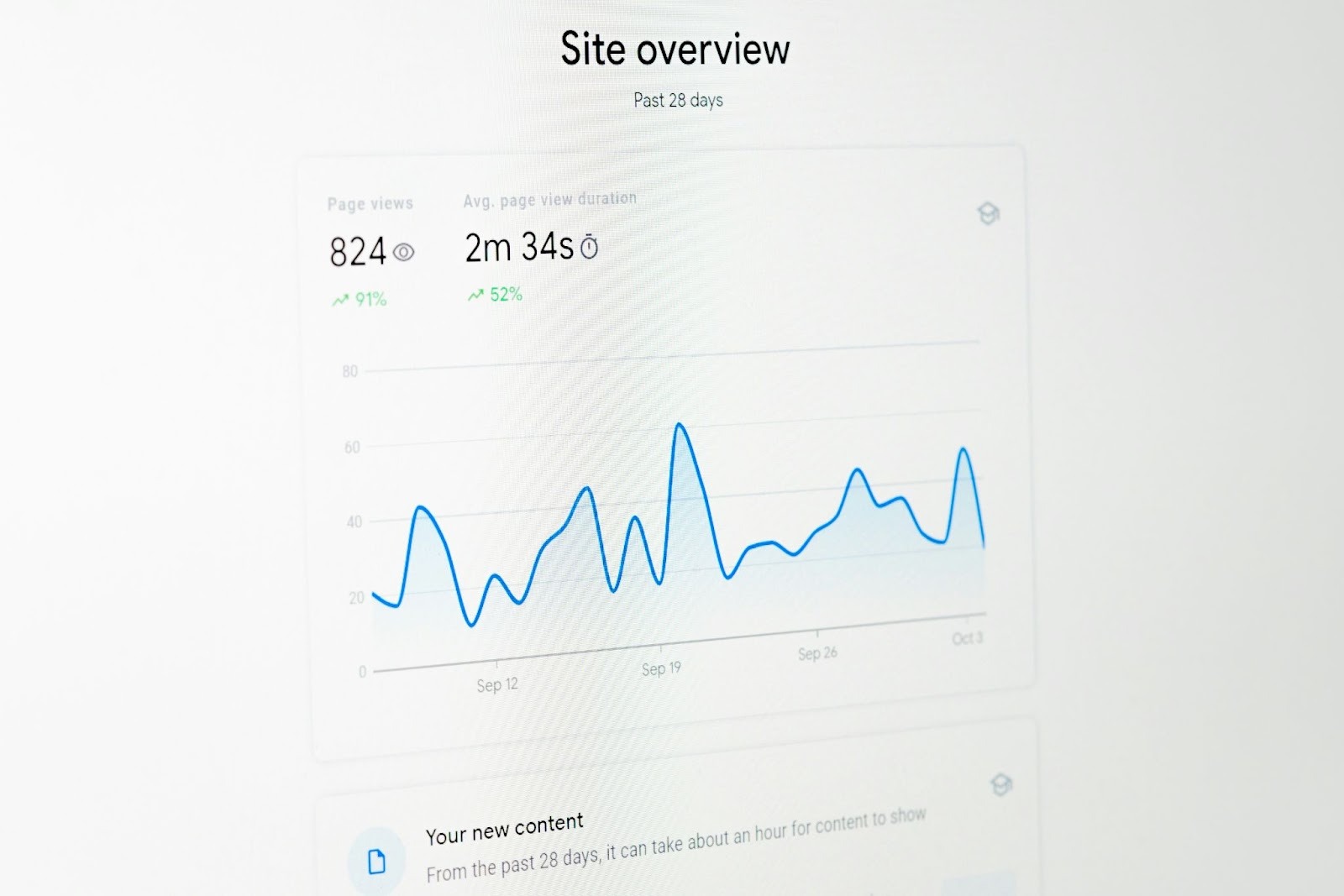
When data doesn’t line up between platforms, configuration is usually the first suspect. Sometimes that’s justified. Often it isn’t.
Tracking relies on scripts loading reliably, in the right order, every time. If a server struggles to deliver assets consistently, tracking becomes unreliable by default. Some sessions fire events. Others don’t. Some submissions register cleanly. Others vanish without explanation.
This is where lead platforms start to reveal their value, not by causing issues but by making inconsistencies visible.
Many sites look fine until they’re asked to perform.
A campaign goes live, traffic increases, and things begin to degrade in small but costly ways. Pages load more slowly. Forms take longer to respond. Submissions stall. The site doesn’t go offline, so no one panics, but conversion performance drops at exactly the moment intent is highest.
Shared hosting environments are especially prone to this. They rarely fail outright. They simply struggle under pressure, and that struggle shows up as lost leads rather than obvious downtime.
Users don’t analyse security warnings in detail. They react to them. An SSL issue, a browser message, or anything that makes a site feel unstable introduces doubt at the worst possible moment.
Even strong offers suffer when a site doesn’t feel solid. People hesitate. They pause. They abandon forms without necessarily leaving the page. Those near-misses rarely get counted, but they matter.

When results decline, attention goes to what’s easiest to see. Lead capture tools and forms sit front and centre, so they absorb the blame. Hosting stays in the background, unchanged, unquestioned, and already paid for.
The uncomfortable truth is that no lead generation tool can perform consistently on an unstable foundation. Good platforms don’t just collect data. They expose where the system around them is failing.
Lead generation starts long before someone reaches a form. It starts with whether the website can load quickly, submit reliably, and track accurately every single time a user tries to engage.
If you’re investing in lead generation software, advertising, or campaigns, your hosting environment has to support that investment. Otherwise, you end up optimising the surface while the foundation quietly undermines everything built on top of it.
 AI tools to find & convert leads.