
In the digital age, automation tools have transformed how businesses manage customer relationships. They streamline processes and provide personalized experiences that enhance customer retention. As subscription models thrive, leveraging automation becomes pivotal in reducing churn and boosting satisfaction.
Automation in business processes is a current reality shaping how companies operate. For businesses using subscription-based models, customer retention is crucial. Retaining customers maximizes revenue and enhances brand loyalty. In this context, shopify dunning tools are indispensable assets that simplify and optimize interactions. You might encounter terms like shopify dunning, which highlight specific techniques in managing subscriptions effectively. Understanding the role of these tools can empower you to foster stronger connections with your customers.
Automation tools are software solutions designed to perform tasks without human intervention, enhancing efficiency and accuracy in business operations. These tools range from simple rule-based systems to complex artificial intelligence-driven platforms. They are essential for managing repetitive tasks, allowing you to focus on strategic activities that require human creativity and judgment. By automating mundane tasks, businesses can reduce errors and improve consistency across operations.
There are various types of automation tools available to cater to different business needs. Marketing automation platforms help streamline campaigns, referral marketing tools like ReferralCandy help ecommerce brands turn customers into advocates while customer service chatbots enhance support efficiency. Workflow automation tools integrate disparate systems, providing seamless data flow between departments. Each type offers unique benefits, enabling you to tailor your approach to meet specific operational demands. Choosing the right tool depends on your business goals and the complexity of your processes.
Automation tools also play a role in how service-based businesses present themselves and manage customer interactions online. For example, platforms like Time Tailor enable businesses to automate key touchpoints such as appointment scheduling, service presentation, and customer communication through their websites. By reducing friction in booking and information access, these tools help create a smoother customer experience from the first interaction onward. This kind of operational efficiency supports retention by making it easier for customers to engage consistently with a brand.
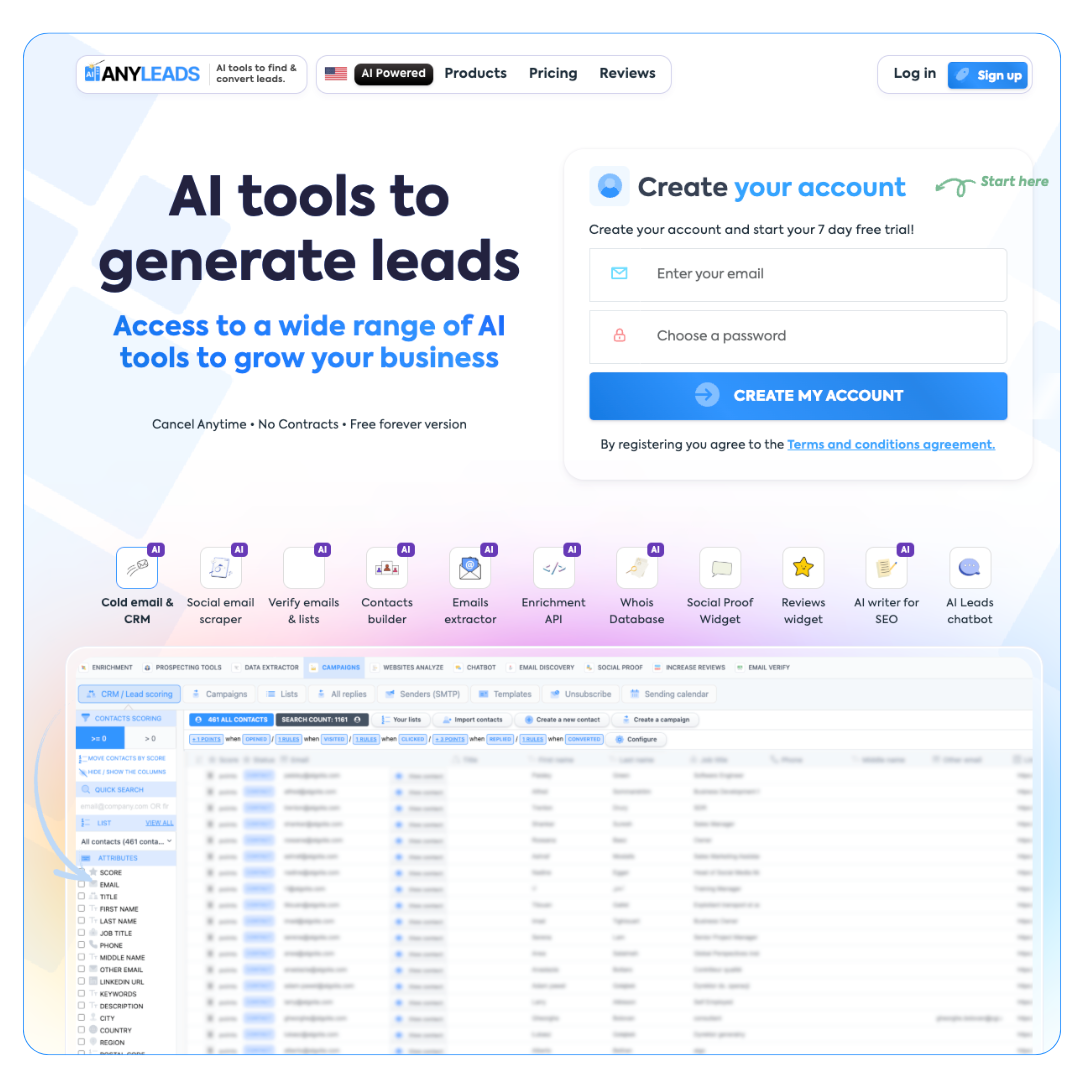
Automation significantly enhances customer interactions by delivering timely and relevant communications. Through automated email sequences and personalized messages, you can maintain consistent engagement with subscribers, minimizing churn risk. To maximize the effectiveness of these campaigns, running email verification on your subscriber lists ensures your messages actually reach real inboxes and keeps bounce rates low. This approach ensures that customers receive information tailored to their preferences, making them feel valued and understood. The ability to provide such personalized experiences fosters long-term loyalty and satisfaction. Integrating an AI workflow tool can help streamline these processes, making automation more flexible and easier to adjust as customer preferences evolve.
The role of automation extends beyond communication; it optimizes the entire customer journey. By leveraging data analytics, automation tools identify patterns in customer behavior, allowing you to proactively address potential churn triggers. Automated feedback collection further refines service delivery by incorporating real-time insights into decision-making processes. This strategic application of technology enhances retention and boosts overall business performance.

Integrating automation into your existing business model requires a thoughtful strategy to ensure seamless operation. Start by identifying areas within your processes that benefit most from automation, whether it's marketing, sales, or customer service, and prioritize them accordingly. Establish clear objectives and measure success through defined key performance indicators (KPIs) to guide implementation efforts effectively.
Best practices for implementing automation involve thorough training for your team to ensure smooth adoption and operation. Continuous monitoring and iteration based on performance metrics allow you to refine strategies over time. Emphasizing transparency with customers about automated interactions also fosters trust and enhances their experience with your brand. With a well-executed plan, automation becomes a powerful tool for sustaining growth and retaining valued customers.
Consider a scenario where a subscription-based company implements an advanced CRM system coupled with AI-driven analytics to monitor user engagement patterns. By automating the collection of usage data, the company identifies declining activity levels among certain subscribers. Proactively, they initiate personalized re-engagement campaigns targeting those users with tailored offers and content relevant to their interests.
The outcomes reveal significant improvements: reduced churn rates and increased customer satisfaction scores highlight the effectiveness of this strategy. Subscribers appreciate the timely interventions that cater specifically to their needs, reinforcing their loyalty to the brand. This scenario underscores how strategically applied automation can transform retention efforts into measurable success stories.
 AI tools to find & convert leads.
  Send emails at scale