Most businesses treat their ad budget like separate bank accounts that never talk to each other. They'll spend on awareness ads to bring in new eyeballs or push conversion ads to grab ready buyers. But these efforts rarely coordinate, and that creates a messy experience for anyone trying to buy from you. Someone sees your brand once, then crickets until they're already deep into comparing you against three competitors.
Full-funnel advertising fixes this by connecting every customer stage into something that feels intentional. You coordinate awareness, consideration, and conversion so they're actually supporting each other instead of fighting for the same budget. Get this right and your conversion rates climb while ad waste drops and relationships stick around past that first purchase.
Photo by Bastian Riccardi:
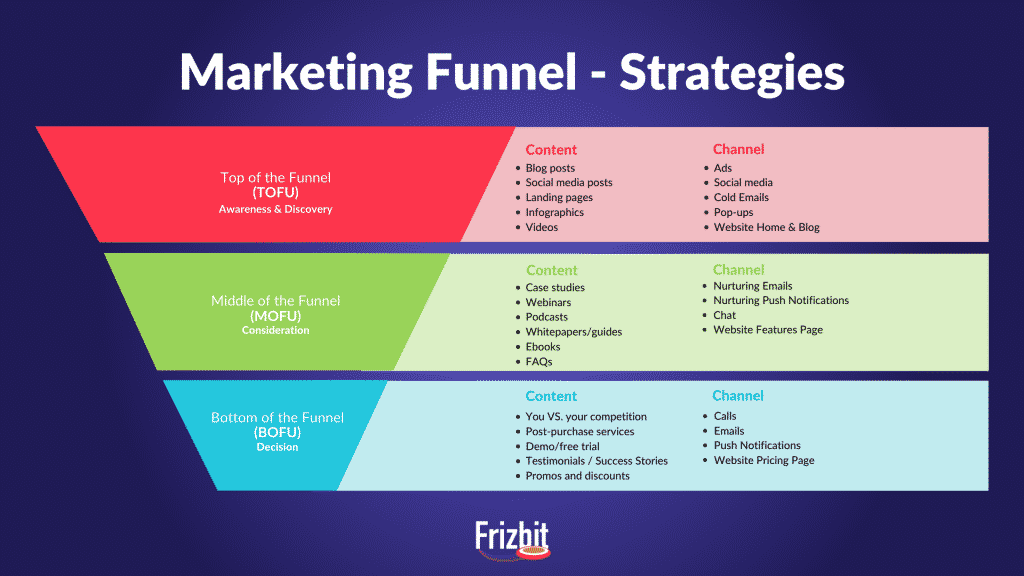
Full-funnel advertising splits into three stages, and each one does something different for your business. Top-funnel work introduces your brand to people who've never heard of you through video platforms, display networks, and social feeds. Middle-funnel tactics keep you visible once someone's interested by using remarketing and educational content. Bottom-funnel ads go after people ready to buy with product details and offers that push them over the line.
The magic happens when these stages back each other up instead of running solo. Someone watches your awareness video in February, sees a remarketing ad in March explaining what you do, then hits your conversion campaign in April already knowing your name. That kind of familiarity performs way better than slapping a sales pitch in front of cold traffic. Video works well for this - you can fine-tune their process for running ads on YouTube so each stage gets the right format and message.
Most buyers need somewhere between seven and thirteen touches before they'll actually purchase from you. Full-funnel puts you in control of those touches instead of hoping your competitors don't grab them first. And it stops that frustrating pattern where you pour money into awareness but get nothing back because there's no follow-up to catch the interest you just paid for.
Brand-building ads target people who fit your customer profile but don't know you exist yet. These focus on getting seen repeatedly instead of making immediate sales, so you're measuring impressions and brand lift rather than conversions. What you're after is mental real estate - when someone needs what you sell, your name pops up first.
Video crushes it here. You can communicate personality and value in 15 seconds compared to what a text ad takes three tries to explain. Spreading across platforms means you're hitting different audience chunks where they're already hanging out online anyway.
You need patience with awareness work because results stack up gradually instead of showing up overnight. The Advertising Research Foundation ran research showing that steady exposure over three months lifts purchase intent by 35% compared to blasting hard for one month. Small consistent spending beats big sporadic pushes, though most teams still chase the big splash approach because it feels like progress.
Middle-funnel stuff catches folks who poked around but aren't ready to commit. They hit your site, watched half a video, maybe clicked through from social - they know who you are now but can't tell if you're the right fit. Consideration ads tackle that uncertainty head-on with product breakdowns, customer stories, and content that compares you to alternatives.
Remarketing carries most of the weight here since you're targeting people who already raised their hand. Dynamic ads can surface specific products they looked at or suggest related items based on what they browsed. Sequential messaging is where this gets good - people see different creative depending on what they did before instead of the same ad chasing them around the internet. This is also where AI-generated ads can help teams adjust messaging, targeting, and creative based on user behavior across the funnel.
You've got to match how hard you're selling to how interested they are:
First remarketing touch keeps things light by reinforcing what you're about without going hard on the sale
Second and third exposures handle objections that usually come up around price or how you stack against competitors
Later messages can push urgency for people who've been circling but haven't pulled the trigger yet
Email sequences back up your paid remarketing by nurturing anyone who gave you their contact info. Someone downloads something or signs up for updates, and automated emails feed them progressively deeper content. Mix paid and owned channels like this and you're creating multiple ways to stay in front of them without being obnoxious about it.
Attribution gets way clearer when you're running full-funnel because now you can actually track how people move from start to finish. Multi-touch attribution breaks down which awareness channels feed you quality leads, which consideration moves actually improve sales, and which bottom-funnel offers are closing deals. That visibility means you can optimize using real contribution instead of those last-click metrics that make top-funnel work look useless.

Full-funnel advertising drops your cost per result by cutting waste and tightening up efficiency across the board. If you only run purchase-focused ads, you're paying top dollar to reach in-market buyers who'd happily go with any competitor. If you only do brand-building, you get recognition but no revenue to show for it. The coordinated version lets you pay cheaper awareness rates to build your own crowd, then convert them later at higher rates through remarketing instead of constantly hunting cold traffic.
Cost per acquisition usually falls 30% to 50% when companies make this shift, and the gains come from multiple places working together:
Warmer traffic converts better, which means you're not burning money on cold conversion ads
Remarketing runs cheaper than prospecting while pulling better engagement numbers
Brand familiarity lifts ad performance at literally every stage you're running
The longer your sales cycle runs, the bigger these benefits get
Contact data tools help you track which awareness channels are actually feeding your downstream success. That stops you from cutting channels that look inefficient on the surface but are driving sales that get credited to something else. Solid tracking across the funnel surfaces the real value hiding in each touchpoint instead of just what the platform dashboard tells you.
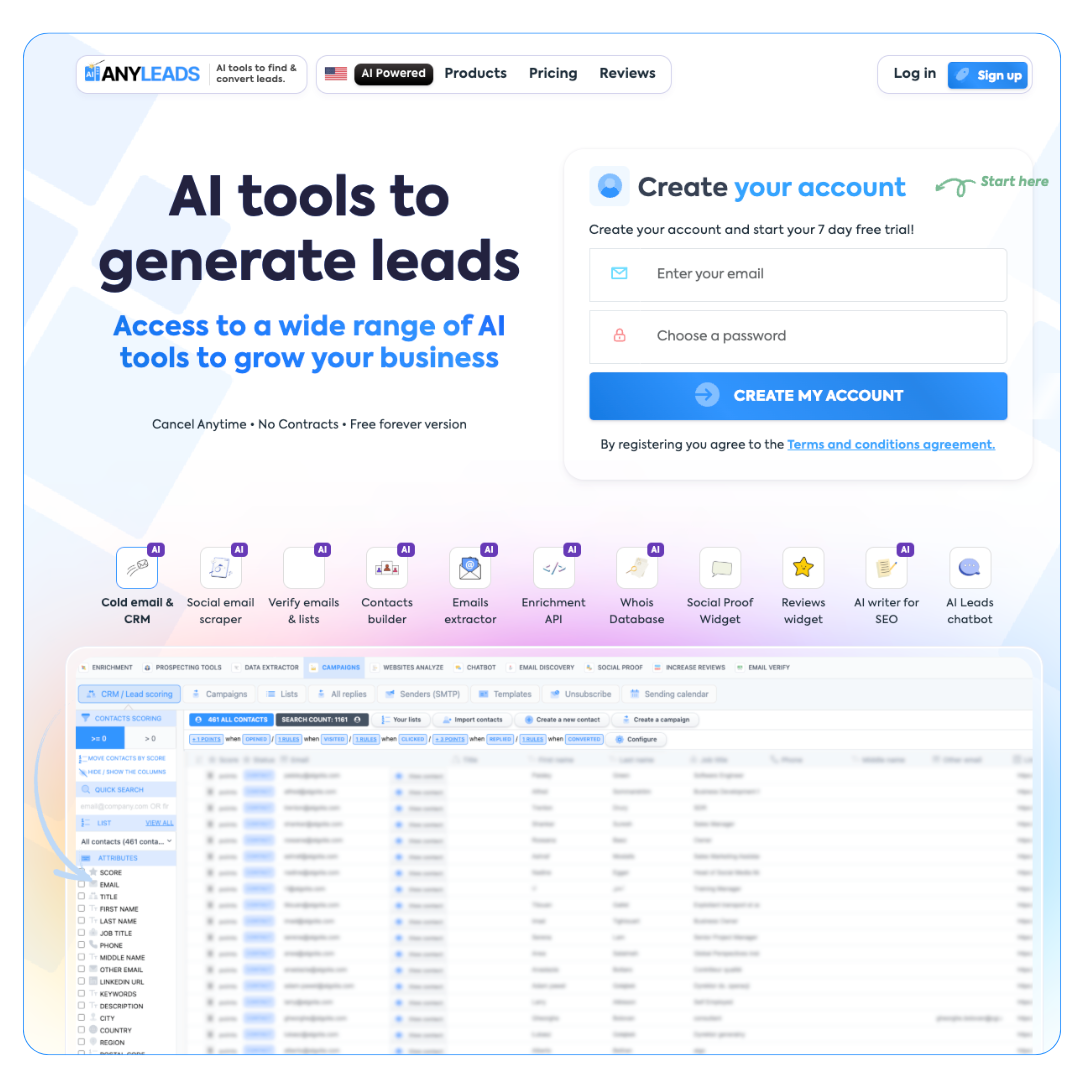
Lead generation tools pump up full-funnel work by helping you build audiences that actually match your stages. Finding business emails and enriching contact data means you can segment audiences custom to each funnel level. You match cold awareness crowds with warmer remarketing lists built from actual engagement signals instead of guessing who's interested.
Automated outreach backs up your consideration stage by firing sequential messages to leads when timing makes sense. Pair that with paid remarketing and you've got email sequences creating extra touchpoints that walk prospects toward buying. The trick is syncing paid and owned channels so they're saying the same thing instead of sending mixed signals that confuse people.
Photo by Kindel Media
Every funnel stage needs metrics that match what it's supposed to do, not what's easy to measure. Judge top-funnel on reach, frequency, brand lift, and view-through rates - conversion metrics don't belong here. Consideration lives in engagement rate, time on site, content depth, and how fast your remarketing lists grow. Bottom-funnel cares about purchase rate, revenue, and cost per acquisition like you'd expect.
The trap most teams fall into is slapping conversion metrics on brand-building work, then axing channels that look expensive. Your video awareness ad might show a fat cost per click next to search ads. But those aware customers are converting at three times the rate when they finally hit your conversion stuff later. Smart measurement tracks groups through the whole funnel instead of grading each stage like it exists in a vacuum.
Survey data rounds out your digital metrics by measuring actual brand awareness and recall numbers. It tracks purchase intent comparing people who saw your ads against control groups who didn't. These brand health reads tell you if awareness spending is building real recognition or just racking up empty impressions nobody remembers. Teams tracking both behavior and attitudes make better optimization calls than ones staring at platform dashboards all day.
Full-funnel gives you way more leverage points to test and tweak as you learn what works. You can run experiments on awareness creative, consideration messaging, and conversion offers while watching how changes ripple through the stages. That connected view stops the problem where you optimize one piece and accidentally tank performance somewhere else without realizing it until weeks later.
A/B testing hits different when you're tracking groups from first touch all the way to purchase. You might discover longer awareness videos get fewer clicks but those people convert at way higher rates down the road. Or specific consideration messages land better with crowds coming from certain awareness channels than others. These patterns only show up when you're measuring complete journeys instead of chopping everything into isolated pieces that don't tell you the full story.
 AI tools to find & convert leads.
  Send emails at scale