A rising gold price doesn't explain why one customer buys a coin while another abandons an order. Both saw the same market, but their decisions may reflect different budgets, expectations, and reasons for owning metal.
That gap gives precious metals dealers’ research its purpose. Price charts record market movements; they don't record the conversation behind a purchase or the hesitation behind an unanswered quote. When market sentiment shifts, those missing explanations matter to decisions about stock, premiums, and communication.
The question isn't whether dealers need market data. It's what remains invisible when that data becomes the only lens on consumer demand.
Precious metals dealers research customer behavior to understand what price charts can't supply alone: motives, purchasing timing, and price expectations. Product choices become more informative when linked to customers' explanations; market events become more useful when matched to completed purchases rather than attention alone.
Useful segmentation combines stated purpose, purchase cadence, and service questions. Long-term hedgers and short-term buyers then become evidence-based groups rather than labels attached to particular products. That distinction gives dealers a firmer basis for planning stock and preparing product explanations without assuming every coin buyer wants the same thing.
When comparing orders with macro signals, the lag matters. Same-day inquiries followed by purchases several days later describe a different inventory problem from immediate buying. Repeated patterns across comparable events offer more useful evidence than one busy afternoon.
A customer's reference price is another piece of research data. With customers comparing a quoted spot price against a finished product's cost, understanding that blind spot starts with the choices recorded in everyday orders and inquiries.
Those source preferences also guide market trends content. Repeated misunderstandings around a named benchmark justify an explanation of that benchmark, while questions about economic indicators belong in separate material. The research determines the subject instead of a generic publishing calendar.
Order mix is a dealer's cheapest starting point for customer research: every purchase records a preference without requiring a survey. However, a transaction shows what won, not necessarily why.
Pairing product records with brief inquiry notes helps distinguish an intentional preference from a substitution caused by unavailable stock, a delivery deadline, or a limited budget.
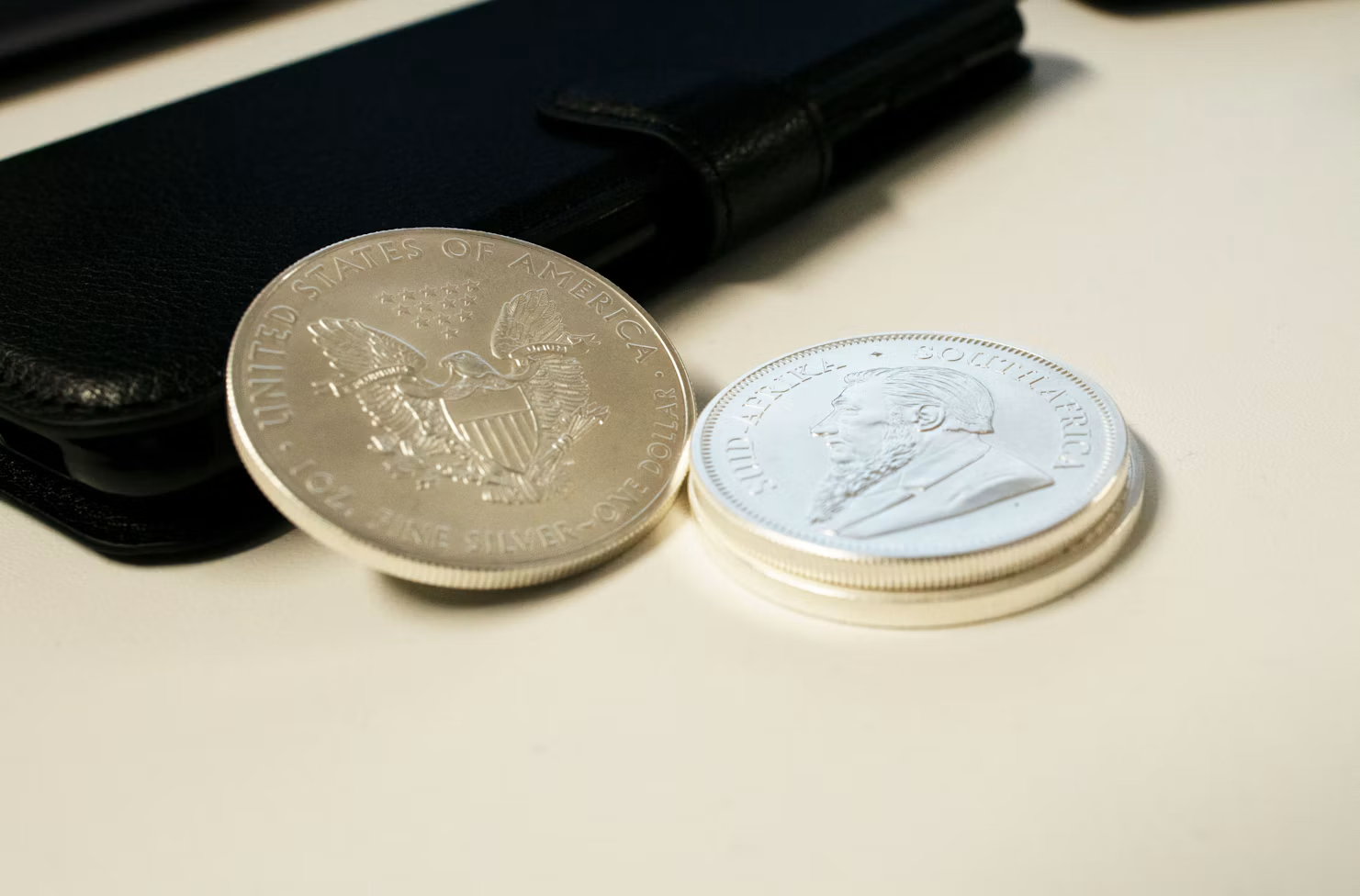
Recognition becomes a useful research finding when buyers explain what it means to them. Customers may repeatedly request the 1 oz Gold Eagle, the full-ounce version of America's bullion flagship, rather than fractional sizes because they find one recognized unit easiest to price and resell. Their reasoning identifies recognition as a purchase motive.
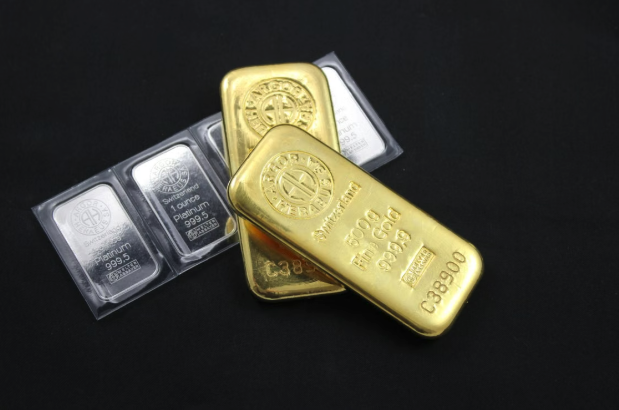
For U.S. Mint bullion coins, the revealing comparison is whether that preference survives a higher quoted premium. Gold bars provide a contrasting signal: a rising bar share, accompanied by questions about cost per ounce, points toward premium sensitivity rather than attachment to a particular coin.
The choice between physical gold and ETFs needs similar interpretation. Direct possession and concern about reliance on financial intermediaries are distinct motives worth recording, not explanations to assign automatically.
Physical ownership doesn't eliminate every risk, so research notes should distinguish customers' stated concerns from claims about protection.
Interest in silver, platinum, and palladium also needs context. A buyer seeking portfolio diversification has a different objective from someone choosing a smaller purchase because gold exceeds the available budget.
Recording the reason alongside the metal prevents those groups from becoming one misleading category and identifies whether explanations should focus on ownership or affordability.
Purchase frequency alone doesn't establish a buyer's time horizon. A repeat customer could be accumulating steadily or responding to successive bursts of volatility.
As with product preferences, inquiry topics make the distinction clearer: storage and authenticity questions suggest different priorities from requests about quote validity and dispatch timing.

Customers don't buy in a vacuum, but matching an order spike to a headline isn't enough to explain it. A practical research record aligns inquiries, quotes, completed orders, and cancellations with the signals customers mention.
This separates attention from purchasing and reveals whether an apparent surge produced sales, questions, or simply more requests for prices.
Consumer Price Index releases, interest rate expectations, and U.S. dollar movements provide reference points for this comparison. Rather than assuming every inflation headline creates inflation-hedge buying, dealers can record that motive when customers state it and examine the timing of subsequent orders.
Rising prices don't automatically mean stronger physical demand. The World Gold Council reported that global bar and coin demand fell 20% in 2019, largely reflecting higher prices and greater price volatility.
Geopolitical shocks belong in the same research record, without assuming their effects. Separating first-time inquiries from returning customers tests whether an event brought a new audience, while questions about authenticity and delivery identify the information that audience lacked.
As noted earlier, customers arrive with reference prices. An inquiry might cite Kitco, the London Bullion Market Association (LBMA), or COMEX (New York Mercantile Exchange) pricing. Recording the source, timestamp, and quoted figure gives the dealer something concrete to compare with the customer's expectation.
Those references aren't interchangeable: a benchmark, a futures quote, and a dealer's finished-product price describe different things. A useful explanation identifies the reference being discussed, then separates the metal value from the product premium and any applicable charges.
The comparison should use matching units and timing rather than treating every disagreement as resistance to price.
Tracking these conversations reveals the actual source of objections. A customer disputing the underlying metal price needs a different explanation from one questioning the premium on a particular coin.
Together, those records provide a clearer account of consumer demand without treating market sentiment as a universal buying signal. The practical value isn't certainty about the next move.
It's a defensible basis for stocking decisions, pricing explanations, and communication grounded in what customers actually ask, choose, and decline. Dealers can prepare around observed patterns rather than reconstructing buyer behavior after the fact.
 AI tools to find & convert leads.
 Send emails at scale