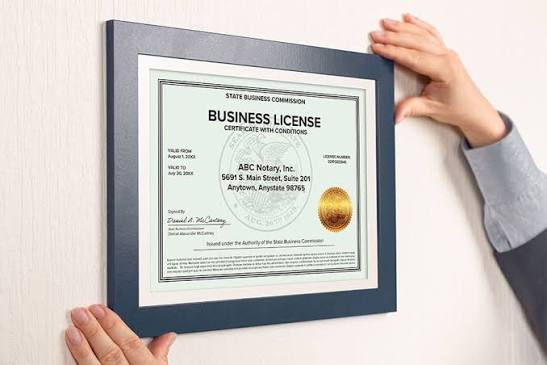
A state business license confirms that an organization may conduct approved activities within a jurisdiction. Its renewal date depends on the issuing agency, business category, entity structure, and local requirements. Some credentials expire yearly, while others remain active until a change triggers an amendment. Missing a deadline can interrupt operations, delay contracts, or produce additional fees. A well-maintained compliance calendar helps staff identify filing dates, gather evidence, and keep agency records accurate.
Each state business license follows rules set by its issuing authority. A credential may renew annually, every two years, or on a fixed date shared by all holders. Some agencies use the original approval date, while others set a single deadline across the jurisdiction. Staff should verify the schedule with the responsible department before placing dates on an internal calendar or assigning renewal duties.
Annual filings are common for regulated services, professional practices, and companies responsible for certain taxes. Biennial cycles reduce paperwork, but longer intervals make missed reminders more likely. Other credentials renew monthly or quarterly, particularly when inspections, reports, or tax payments affect active standing. Each record should show the expiration date, filing window, required forms, fee, and supporting evidence. Alerts should begin weeks before the due date. That buffer allows time for agency review, corrections, payment issues, or requests for additional material.


A credential may require revision before its scheduled renewal. Common triggers include a legal name change, ownership transfer, relocation, an additional branch, a new service, or a change in the responsible officer. Expansion can also require a separate authorization instead of a simple amendment.
Agency records should match formation papers, tax registrations, contracts, signage, and public listings. Conflicting details can delay verification or raise questions during an inspection. A new address may affect zoning, local permits, tax obligations, or the department responsible for oversight. A company should review related registrations after moving. One address change may affect several filings, especially when operations cross city or county lines.
Some jurisdictions require notice soon after an ownership transfer or leadership change. Others request revised information during the next renewal cycle. The agency determines the deadline, evidence, and filing method. Transfer agreements, meeting records, and updated officer details should remain with the credential file. Those materials help establish continuity and support an accurate review when a regulator requests clarification.
An outdated address, a missing certificate, a returned payment, or an agency notice may indicate that records need to be corrected. A permit displayed at a former location can create questions during an inspection. Companies operating in several states should compare active permissions with current services and sites. Similar credentials may carry different titles, deadlines, and filing rules. Reviewing each jurisdiction separately reduces errors caused by copying information from another state.
An expired credential can stop lawful operations until reinstatement or reapplication is complete. The agency may add penalties, suspend authorization, or request further documentation. Contracts, bids, insurance reviews, and customer approvals can also suffer when active proof is unavailable. Repeated lapses create avoidable administrative work. Staff may need to reconstruct earlier filings, contact several departments, or correct inconsistent data. A written procedure reduces that burden by assigning responsibility and preserving evidence.
A reliable system begins with a single register that covers every license, permit, registration, and certificate. Each entry should identify the jurisdiction, holder, category, issue date, expiration date, renewal cycle, filing channel, assigned owner, and document location. Teams should review records quarterly, with more frequent checks for monthly or quarterly obligations. Clear ownership prevents deadlines from becoming shared assumptions.
Before submission, staff should confirm the legal entity, credential number, business address, responsible contact, service description, insurance information, and fee. Every document should use the same current name and address. Open agency notices should be resolved before filing whenever possible. After submission, record the filing date, confirmation number, payment receipt, expected response, and final approval. A follow-up alert can identify applications that remain pending.
A state business license must be renewed according to the issuing agency’s schedule, which may be annual, biennial, quarterly, or tied to an approval date. Updates may also follow changes in ownership, location, service, or management. Businesses that maintain complete records, assign responsibility, and review requirements regularly can reduce interruptions and filing mistakes. Centralized tracking improves visibility, while direct agency confirmation remains essential for sound compliance decisions.
 AI tools to find & convert leads.
  Send emails at scale