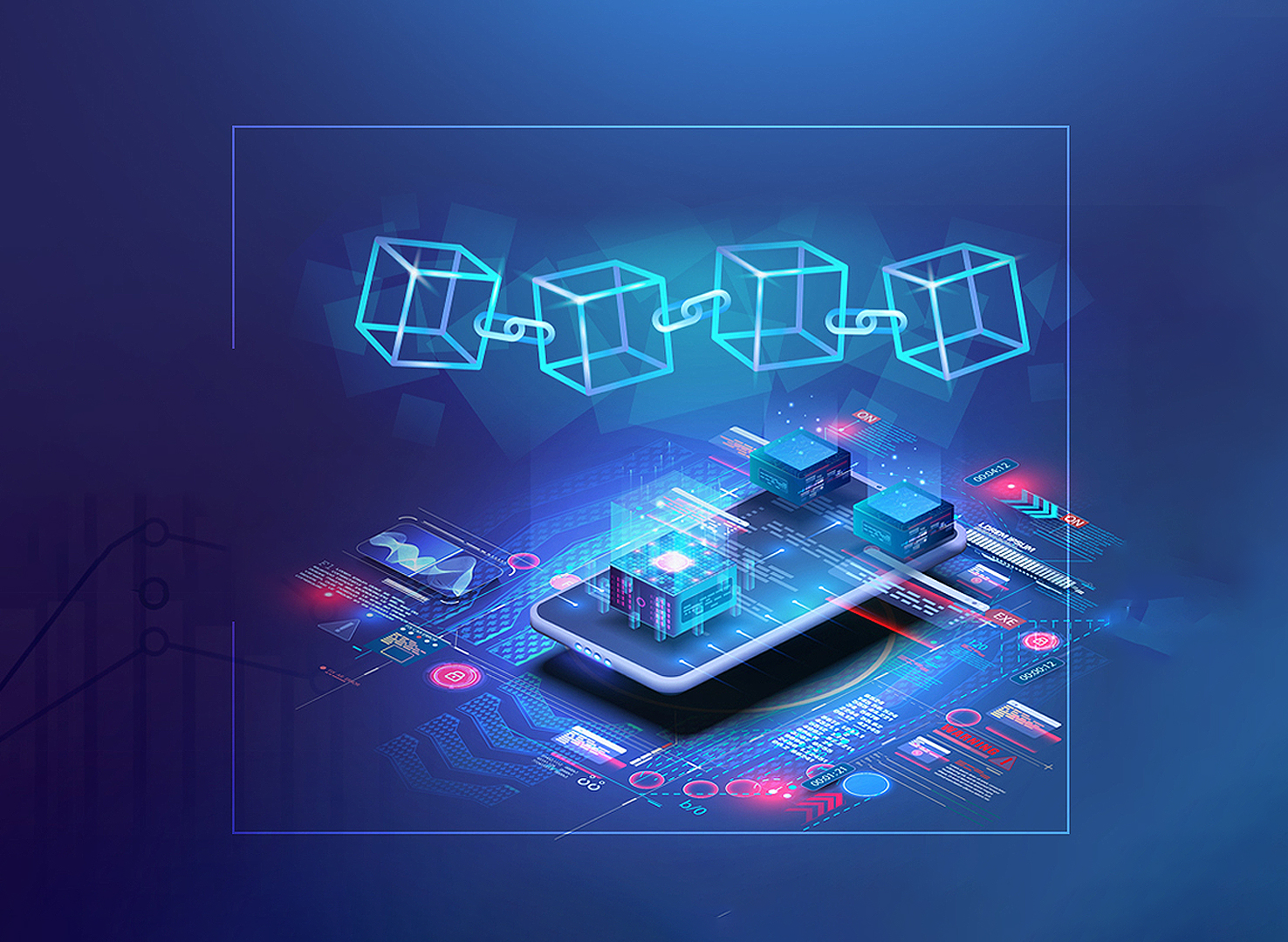
Blockchain technology has moved beyond cryptocurrencies and is increasingly being adopted across industries such as finance, healthcare, supply chain, real estate, insurance, and retail. Businesses are using blockchain to improve transparency, strengthen security, automate transactions, and create new digital business models. When these capabilities are combined with mobile technology, organizations can deliver secure and decentralized experiences directly to users through smartphones and tablets.
This is where blockchain app development services can help businesses build mobile applications that integrate blockchain networks, smart contracts, digital assets, wallets, and decentralized features. However, developing a blockchain-powered mobile application requires more than simply adding blockchain functionality to an existing app. Businesses need to understand the technology, development process, security requirements, and long-term maintenance before starting a project.
Blockchain mobile app development involves creating mobile applications that use blockchain technology for functions such as decentralized data storage, transaction processing, digital identity, asset management, payments, and smart contract automation.
Unlike traditional applications that generally depend on centralized databases, blockchain applications can distribute transaction records across a network. Depending on the use case and blockchain architecture, this can provide greater transparency, data integrity, and resistance to unauthorized changes.
For example, a fintech application can use blockchain for peer-to-peer transactions, while a supply chain app can use it to record product movement from manufacturers to customers.
Blockchain-powered mobile applications can provide several potential advantages for businesses.
Blockchain uses cryptographic techniques and distributed networks to protect transaction records. When implemented correctly, this can make unauthorized modification of blockchain-stored information more difficult.
For applications handling sensitive transactions or digital assets, blockchain can add an additional layer of security to the overall technology architecture.
Blockchain can create a shared record of transactions that authorized participants can verify. This is particularly useful for industries where customers, partners, or regulators need greater visibility into transactions.
For example, a logistics application could allow authorized users to track shipment events recorded on a blockchain network.
Smart contracts are programs deployed on blockchain networks that execute predefined rules. Businesses can use them to automate processes such as payments, settlements, asset transfers, and agreements.
A real estate application, for instance, could use smart contracts to automate certain transaction steps when predefined conditions are satisfied.
Blockchain mobile applications can support digital assets such as cryptocurrencies, tokens, NFTs, and tokenized real-world assets. Businesses can build mobile wallets, trading platforms, tokenization platforms, and other applications around these assets.

The features required will depend on the business model and target audience. Common features include:
Secure user registration and authentication
Blockchain wallet integration
Cryptocurrency or token transactions
Smart contract integration
QR code scanning
Push notifications
Transaction history
Digital asset management
Multi-chain support
Admin dashboard
API integrations
KYC and identity verification
Real-time transaction monitoring
Businesses should prioritize features based on actual user requirements rather than attempting to include every available blockchain capability.
Selecting a blockchain network is an important part of development. Different networks have different characteristics related to transaction speed, fees, scalability, smart contract capabilities, ecosystem support, and developer tooling, which directly impact overall application performance optimization
Depending on the project, businesses may consider networks such as Ethereum, Polygon, BNB Chain, Solana, Avalanche, or private and enterprise blockchain platforms.
The right choice depends on factors such as the application's transaction volume, security requirements, target users, geographic market, asset type, and integration requirements.
A structured development process can help reduce technical risks and improve project efficiency.
1. Business and Requirement Analysis:
The development team first identifies the business objectives, target users, required blockchain functionality, regulatory considerations, and technical requirements.
2. Blockchain Architecture:
Developers select the appropriate blockchain network and determine how blockchain components will interact with the mobile application, backend, APIs, and databases.
3. UI/UX Design:
The application interface is designed around usability and security. Since blockchain concepts can be complex for everyday users, the experience should make activities such as wallet connections and transactions easy to understand.
4. Mobile App Development:
Developers build the mobile application for Android, iOS, or both. Businesses can work with a provider offering custom mobile app development services to create an application tailored to their specific workflows.
5. Smart Contract Development:
Where required, smart contracts are developed, tested, and integrated with the application.
6. Testing and Security Audits:
Testing should cover application functionality, APIs, blockchain transactions, smart contracts, wallet integrations, and security vulnerabilities.
7. Deployment and Maintenance:
After successful testing, the application is deployed to the relevant app stores and production infrastructure. Ongoing monitoring, updates, security improvements, and blockchain network upgrades are then managed.
The cost varies significantly depending on project complexity. A basic blockchain-enabled mobile application may require fewer development resources than a multi-chain wallet, decentralized finance platform, tokenization application, or blockchain marketplace.
Factors that influence cost include:
Number of platforms
UI/UX complexity
Blockchain network
Smart contract requirements
Wallet integration
Backend infrastructure
Third-party integrations
Security and auditing requirements
Admin panel functionality
Development team location and expertise
Post-launch maintenance
Businesses should evaluate development costs alongside scalability, security, compliance, and long-term maintenance requirements.
Blockchain mobile applications can help businesses explore new approaches to transactions, digital assets, automation, transparency, and decentralized services. However, successful development requires careful planning and the right combination of blockchain, mobile, backend, and security expertise.
Before selecting a development partner, businesses should evaluate its technical capabilities, blockchain experience, development methodology, security practices, portfolio, and post-launch support. With a well-defined strategy and suitable technology architecture, blockchain mobile applications can become a valuable part of a company's digital transformation roadmap.
 AI tools to find & convert leads.
  Send emails at scale