
More hours do not automatically mean more sales. Many remote teams assume productivity improves when reps stay busy all day, yet constant activity often hides inefficient systems.
Real productivity comes from removing friction, not adding effort. When remote sales teams use the right tools, they spend more time in meaningful conversations and less time fighting disorganized workflows.
A customer relationship management system is the backbone of any remote sales team. It stores contacts, tracks deals, logs activity, and keeps the entire pipeline visible in one place. Implementing a modern sales CRM ensures that these workflows are centralized, allowing remote reps to maintain momentum without administrative friction.
According to a 2024 report from Salesforce, sales professionals in Singapore spent only 29 percent of their time selling. More than half their workday disappeared in admin tasks and searching for information!
A well-structured CRM cuts down that wasted time. How? By organizing data and automating follow-ups.
Remote teams especially benefit from shared visibility. Managers can see real-time deal progress, while reps can quickly pick up where they left off without digging through email threads or spreadsheets.
Face-to-face interaction still matters, even when it happens through a screen. Video conferencing platforms make discovery calls, demos, and negotiations feel more personal and engaging.
Clear video builds trust faster than audio alone. Screen sharing allows reps to walk prospects through presentations, proposals, and product walkthroughs without sending endless attachments.
Consistency is the real productivity boost. When every rep uses the same platform with integrated calendars and recording features, meetings become easier to schedule, review, and improve over time.

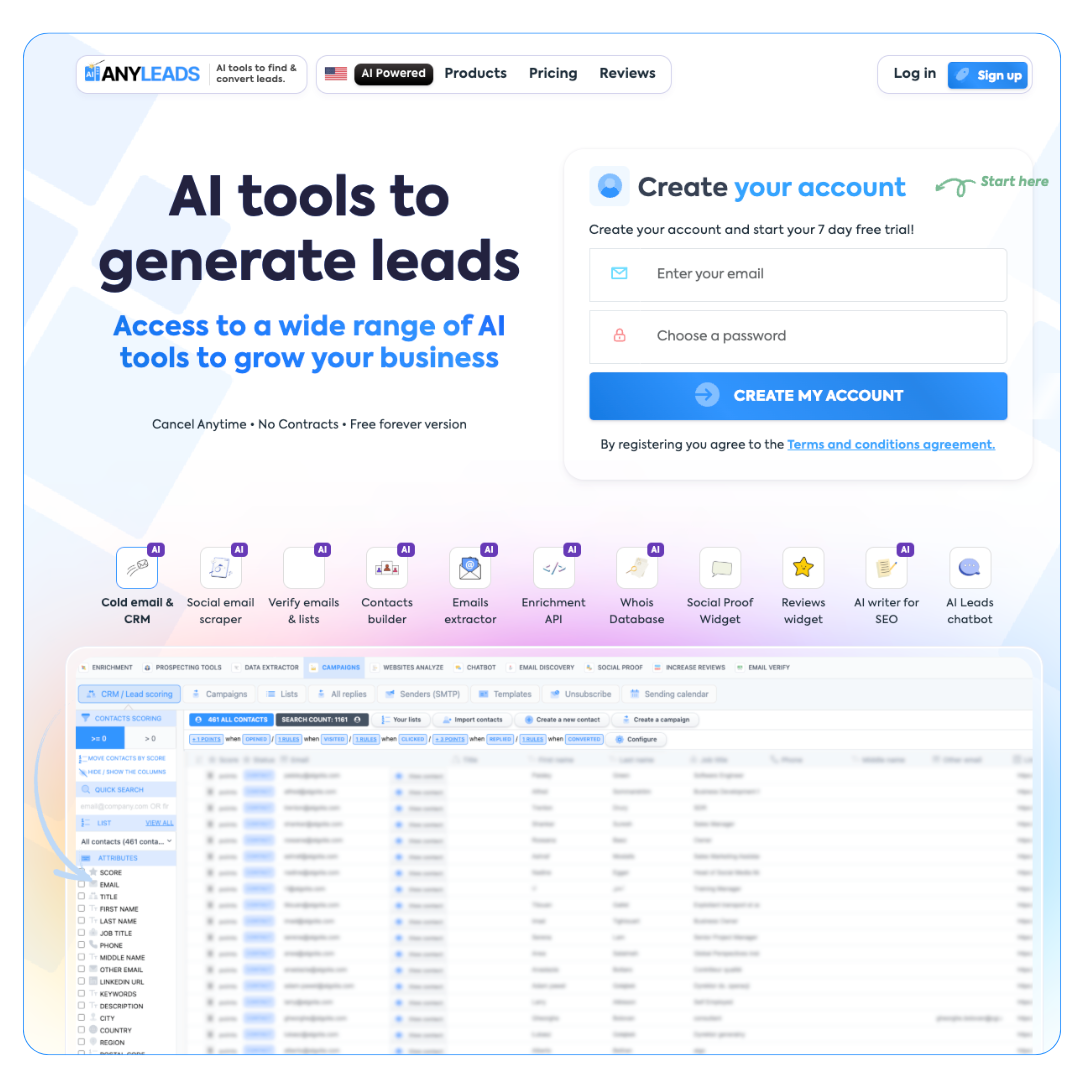
Sales engagement platforms manage outbound communication at scale. They help reps automate email sequences, schedule follow-ups, and track engagement without losing the personal touch.
Remote sellers often juggle multiple conversations across time zones. A structured engagement tool keeps outreach organized and ensures no lead falls through the cracks.
Remote desktop software allows sales teams to securely access office systems, internal tools, and client environments from anywhere. It eliminates the need to physically be in the office to retrieve files or troubleshoot issues.
When sales teams cannot access critical systems or client data in real time, deals slow down, follow-ups get delayed, and opportunities are lost. This becomes even more challenging for remote teams managing multiple tools and time-sensitive conversations.
To eliminate these bottlenecks, teams need a reliable way to access systems instantly and securely. Understanding how remote desktop works makes it possible to remove these limitations without relying on fragmented tools or physical access.
MSPs can connect, assist, and manage endpoints without extra tools or agents. And with features like full-control sessions, native RDP support, secure file transfer, and session recording, reps and support teams can stay productive without switching systems.
Here is what strong remote desktop software should provide:
Secure full-control access from any location
Fast file transfer between endpoints
Session recording for compliance and training
When technical friction disappears, sales conversations stay on track.
Analytics tools turn activity into insight. They show which channels convert, which reps need support, and where deals stall in the pipeline.
For a remote team, scattered data means slower decisions and missed opportunities. Centralized reporting keeps leadership proactive instead of reactive.
Beyond internal metrics, remote teams also need external intelligence. Monitoring real-time discussions with tools like BrandMentions allows sales reps to jump into relevant social conversations, track competitor moves, and engage with prospects at the exact moment they express interest or frustration online.
Dashboards also create accountability. Reps can see their numbers in real time, which encourages consistent effort and smarter prioritization throughout the week.
Remote sales teams move fast, and communication gaps slow everything down. Team collaboration and messaging tools keep conversations organized, searchable, and accessible in real time.
Instead of relying on long email chains, reps can use dedicated channels for deals, territories, or product updates. Quick questions get quick answers, which keeps momentum alive during active negotiations.
Shared threads also reduce repeated questions and prevent miscommunication across time zones.
Strong collaboration platforms typically support:
Channel-based conversations for organized deal discussions
File sharing with searchable message history
Integrations with CRM and calendar tools
Integration is where real efficiency shows up. When messaging tools connect with your CRM and sales engagement platform, reps receive deal updates instantly without toggling between apps. For remote sales teams that also need to unify tasks, calendars, messages, meetings, and follow-ups across multiple apps, an all-in-one productivity tool like Akiflow centralizes work so reps can time-block priorities, reduce context switching, and stay focused on revenue-generating activities.
Fewer app switches mean fewer distractions and more time focused on revenue-driving work.
Clear internal communication also improves coaching. Managers can review conversation threads, jump into important deals when needed, and provide timely feedback. For remote teams that do not sit side by side, digital collaboration becomes the virtual sales floor. Emergency text message alerts can also be used to quickly share urgent updates and ensure critical information reaches team members without delay.
Sales work is already high-pressure. The right messaging platform removes confusion, shortens response times, and helps the entire team feel connected even when everyone works from different cities or countries.
High-performing remote teams are not productive by accident. They rely on tools like those above to stay productive.
CRM systems organize relationships, video platforms humanize conversations, engagement tools structure outreach, remote desktop software removes technical barriers, and analytics keep everyone aligned with results. Each tool supports focus, clarity, and speed.
If your current stack feels scattered or outdated, it may be time to rethink how your team works each day. Explore your systems, identify gaps, and consider solutions that integrate smoothly. And check out some of our other relevant articles!
 AI tools to find & convert leads.
  Send emails at scale