
Driving traffic to your online store is only half the battle. The real challenge lies in attracting leads for a dropshipping store that are genuinely interested and ready to purchase. Many businesses invest heavily in marketing but fail to see meaningful returns because they do not effectively optimize their stores to convert leads or implement strategies for retargeting interested leads.
Without a structured approach, even high traffic volumes can result in low conversions and missed revenue opportunities. This article examines proven methods for identifying high-quality leads and turning them into paying customers. You’ll learn strategies to improve conversion rates and maximize the value of your dropshipping store's existing traffic.
Paid advertising appears to be the fastest way to generate sales for a dropshipping store. But these ads often come with rising costs and unpredictable results. As competition increases, your cost per click and customer acquisition costs can erode profit margins quickly, making it difficult to sustain long-term growth.
This is where lead generation becomes essential. By building a pipeline of interested prospects, you create a more stable and predictable source of revenue. Instead of relying solely on one-time visitors, you develop a system that continuously nurtures potential customers until they are ready to purchase.
Before you can attract high-quality leads, you need a clear understanding of who your ideal customer is. Without this clarity, your marketing efforts may reach the wrong audience, resulting in low engagement and poor conversion rates. Defining your target customer ensures that your messaging resonates with the right people.
A focused approach allows you to tailor your offers, content, and communication strategies. Instead of appealing to a broad audience, you address specific needs and preferences. This precision improves both lead quality and conversion potential.
By investing time in customer research, you position your dropshipping store to attract individuals who are genuinely interested in your products. This not only improves marketing efficiency but also enhances the overall customer experience.
Understanding customer pain points is the foundation of effective lead generation. Every successful product solves a specific problem or fulfills a particular need. When you clearly identify this problem, you can position your product as a practical solution.
For example, if you sell ergonomic office accessories, your target audience may struggle with back pain or discomfort during long work hours. By addressing this issue directly in your messaging, you demonstrate relevance and value. This approach helps attract leads who are actively seeking a solution.
Additionally, highlighting pain points allows you to create more compelling marketing content. Blog posts, product descriptions, and advertisements that focus on real challenges are more likely to capture attention and drive engagement.
A buyer persona is a detailed representation of your ideal customer. It includes demographic information such as age, location, and occupation, along with insights into interests, behaviors, and purchasing motivations. This profile helps you understand how your audience thinks and what influences their decisions.
For instance, if your target audience consists of young professionals, their purchasing behavior may be influenced by convenience, aesthetics, and social proof. In contrast, older customers may prioritize durability and value. Recognizing these differences allows you to tailor your messaging accordingly.
Developing a clear buyer persona ensures that your marketing efforts remain focused and consistent. This clarity improves the effectiveness of your campaigns and increases the likelihood of attracting high-quality leads.
Knowing where your audience spends time online is essential for reaching them effectively. Different customer segments engage with different platforms, and your strategy should reflect these preferences. For example, younger audiences may be more active on social media platforms, while professionals may engage in niche forums or online communities.
Participating in these spaces allows you to interact directly with potential customers. By sharing valuable insights, answering questions, and contributing to discussions, you establish credibility and build trust. Over time, this engagement can drive traffic to your store and generate qualified leads.
Generating leads is only the first step; converting them into paying customers requires a structured outreach strategy. Without proper follow-up and engagement, even high-quality leads may lose interest or choose a competitor. Therefore, you must implement systems that guide prospects through the buying journey.
Effective outreach focuses on building relationships rather than pushing immediate sales. By providing value and addressing customer concerns, you create a positive experience that encourages trust and confidence. This approach increases the likelihood of conversion.
With the right combination of personalization, consistent communication, and strategic retargeting, you can transform interested prospects into loyal customers.
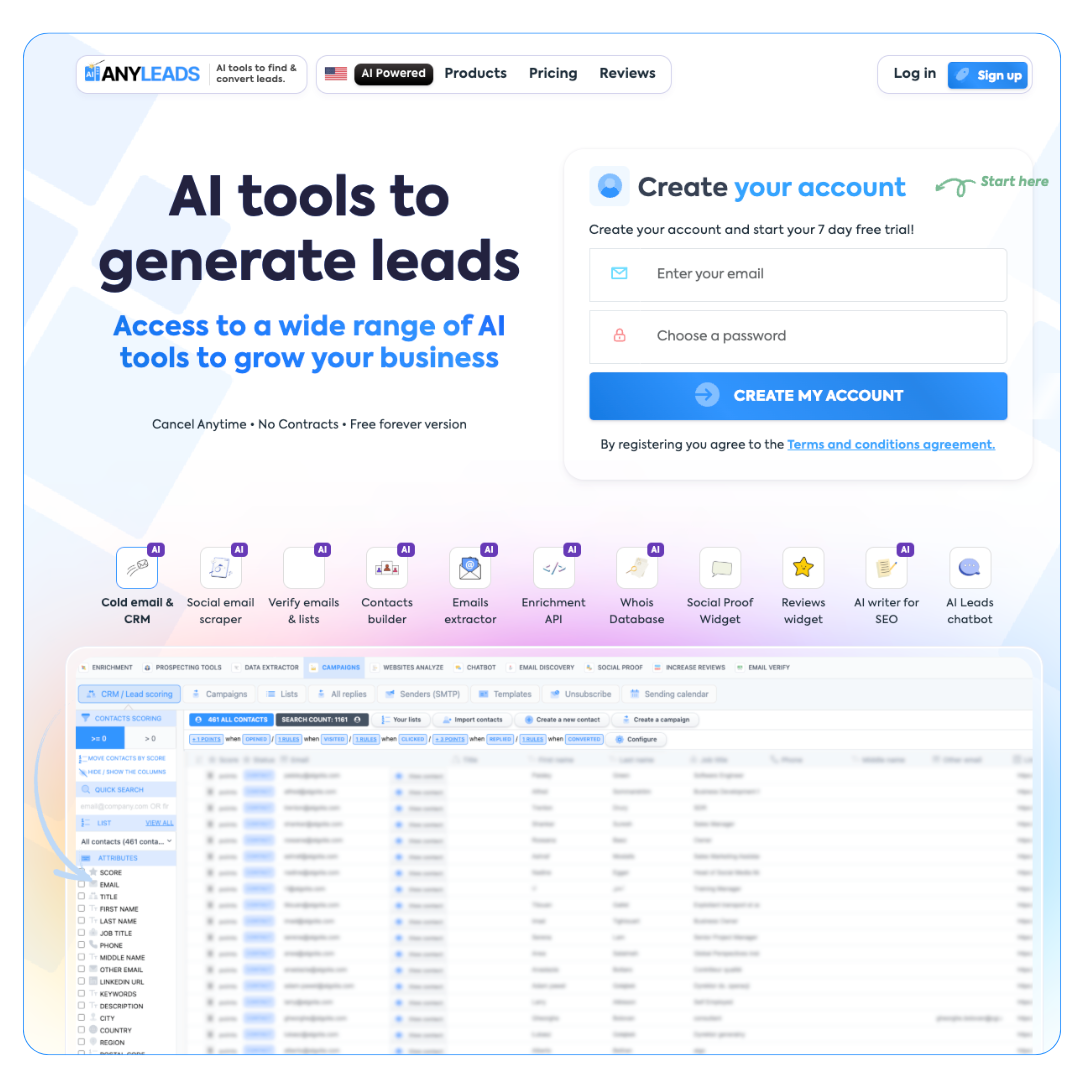
Cold email campaigns remain a powerful tool for reaching potential customers when executed thoughtfully. Personalization is key to success. Instead of sending generic messages, tailor each email to address the recipient’s specific needs or interests.
For example, referencing a customer’s industry, recent activity, or expressed preferences can make your message more relevant. This level of detail demonstrates that you understand their situation and are offering a solution rather than a generic promotion.
Equally important is presenting a clear value proposition. Your email should quickly explain how your product solves a problem or provides a benefit. A concise, focused message increases the likelihood of engagement and response.
Not all leads are ready to purchase immediately. Lead nurturing sequences help you stay connected with prospects over time, gradually building trust and guiding them toward a decision. These sequences typically include follow-up emails, educational content, and targeted offers.
For instance, you might begin with an introductory email, followed by content that explains product benefits or shares customer testimonials. As interest grows, you can introduce limited-time offers to encourage action. This structured approach keeps your brand top of mind.
Consistency is essential in nurturing campaigns. Regular communication keeps leads engaged and informed, increasing the likelihood of conversion when they are ready to buy.
Retargeting allows you to reconnect with individuals who have already shown interest in your products. These leads are more likely to convert because they are familiar with your brand and have demonstrated intent.
Email retargeting can remind users about abandoned carts or highlight products they previously viewed. Similarly, social media remarketing enables you to display targeted ads to users who have visited your website. These reminders reinforce your value proposition and encourage return visits.
By combining email and social retargeting strategies, you create multiple touchpoints that guide leads back to your store. This integrated approach increases conversion rates and maximizes the value of your marketing efforts.
Turning interested visitors into paying customers requires a store that is structured for clarity, trust, and ease of use. Every element of your website should guide users toward a decision without confusion or friction. When your store aligns messaging, design, and functionality, it becomes easier for leads to move from interest to action.
A conversion-focused store also reduces drop-offs during the buying journey. From the moment a visitor lands on your page to the final checkout step, the experience should feel seamless and intuitive. This consistency builds confidence and encourages users to complete their purchase.
Landing pages play a central role in converting leads, as they are often the first interaction a potential customer has with your brand. Clear messaging is essential at this stage. Visitors should immediately understand what your product is, who it is for, and why it matters. Avoid unnecessary complexity and focus on delivering a direct, compelling value proposition.
In addition to clarity, highlighting product benefits helps persuade users to take action. Rather than simply listing features, explain how those features improve the customer’s experience. For example, instead of stating that a product is durable, emphasize how it saves time or reduces the need for frequent replacements.
Social proof further strengthens your credibility. Customer reviews, testimonials, and ratings provide reassurance that others have had positive experiences with your product. When visitors see evidence of customer satisfaction, they are more likely to trust your brand and proceed with a purchase.
Efficient fulfillment is critical to maintaining customer trust after a purchase. Smooth order processing ensures that customers receive their products within the expected timeframe. Delays or inconsistencies can lead to dissatisfaction and reduce the likelihood of repeat business.
Reliability in fulfillment also reflects the professionalism of your brand. Clear communication regarding shipping timelines and order updates helps manage expectations and enhances the customer experience. When customers feel informed and valued, they are more likely to develop long-term loyalty.
To streamline operations, many online businesses rely on dropshipping platforms like EPROLO for product sourcing and fulfillment. This allows you to focus on marketing and customer acquisition while ensuring that logistics are handled efficiently.
Monitoring performance is essential for improving your conversion strategy over time. Without accurate data, it is difficult to identify what is working and what needs adjustment. Tracking the right metrics enables you to make informed decisions and refine your approach.
Several key metrics provide valuable insights into lead conversion performance. Email open rate measures how many recipients engage with your messages, indicating the effectiveness of your subject lines and targeting. A higher open rate suggests that your communication is reaching the right audience.
Reply rate reflects how well your outreach encourages interaction. Strong reply rates often indicate that your messaging is relevant and engaging. This metric is particularly useful for evaluating personalized campaigns and understanding customer interest.
Conversion rate remains the most critical indicator of success. It measures how many leads take the desired action, such as making a purchase. By tracking this metric across different channels, you can identify which strategies deliver the best results.
Improving conversion rates requires continuous testing and refinement. A/B testing lets you compare different versions of emails, landing pages, or calls to action to determine which performs better. Even small changes in wording or design can significantly impact results.
In addition, improving targeting helps ensure that your efforts reach the most relevant audience. By refining demographic and behavioral criteria, you attract leads who are more likely to convert. This increases efficiency and reduces wasted marketing spend.
Over time, these data-driven adjustments create a more effective conversion system. By consistently analyzing performance and implementing improvements, you can strengthen your store’s ability to turn leads into loyal customers.

Converting leads into customers requires a combination of clear messaging, reliable fulfillment, and continuous optimization. By refining your landing pages and tracking meaningful metrics, you create a structured path to higher conversions. A consistent, data-driven approach ensures sustainable growth and stronger customer relationships over time.
Tailoring messaging, offers, and follow-ups based on user behavior and preferences makes your prospects feel understood and valued. When combined with a seamless website experience, website redesign helps build trust, encourages repeat purchases, and maximizes each customer's lifetime value.
 AI tools to find & convert leads.
  Send emails at scale