
Running a local business today means competing in two places: your physical neighborhood and the digital landscape where customers search for services. When a person takes out their phone and searches for “pizza near me” or “dentist in Brooklyn,” they are seeking a quick and immediate solution. The businesses that show up in those local search results get the customers. Those that don't? They might as well be invisible.
Local SEO isn't just another marketing buzzword. It can determine whether you enjoy a consistent flow of new customers or struggle to understand why foot traffic has declined, even though your business is in a prime location.
The encouraging part is that earning visibility in local search results does not demand a huge budget or advanced technical expertise. What it does require is understanding how local search works and consistently applying proven strategies.
Not long ago, people flipped through directories or asked a neighbor for a recommendation; today, they tap a screen, read reviews, compare options, and make a decision within minutes. The phone book has become a relic. Word-of-mouth still matters, but even personal recommendations get verified online first. Someone might hear about a great plumber from their neighbor, but they'll still Google that plumber before making the call.
The data paints a powerful picture. Around 46% of all Google searches have local intent, meaning people are specifically looking for nearby businesses. What stands out even more is this: 76% of people who perform a nearby search on their smartphone visit a relevant business within a day. These figures reflect real customers who are actively searching for local businesses where they can spend their money.
Local search has become the modern equivalent of having prime storefront real estate, except the rent is paid in optimization effort rather than monthly checks to a landlord. This local-first approach also complements search engine marketing services by improving targeting and campaign performance.
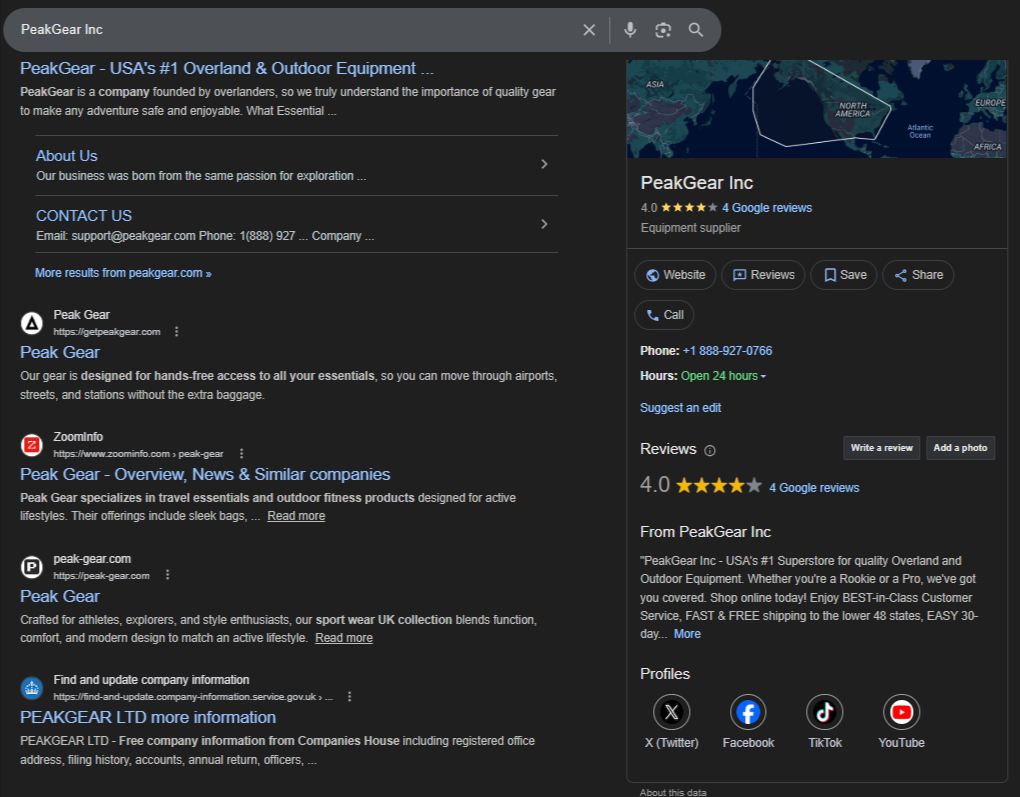
Source: PeakGear
Before diving into complex strategies, nail down the basics. Google Business Profile is the key foundation for successful local SEO. This free tool from Google allows businesses to manage how they appear in search results and on Google Maps.
Creating a Google Business Profile takes roughly 15 minutes, yet many businesses overlook it or leave their profiles incomplete. By neglecting this step, they forfeit meaningful revenue opportunities. A fully optimized profile should include:
Essential Information
Accurate business name, address, and phone number (NAP)
Primary and secondary business categories that precisely match what you do
Business hours, including special hours for holidays
A compelling business description with relevant keywords
High-quality photos of your location, products, or services
Service area if you travel to customers
Ongoing Engagement
Regular posts about offers, events, or updates
Prompt responses to customer reviews
Q&A section populated with common questions
The verification process matters too. To ensure you are the rightful owner of the business, Google generally sends a postcard containing a verification code to your registered physical address. Some businesses qualify for instant verification through other methods, but the postcard remains standard practice.

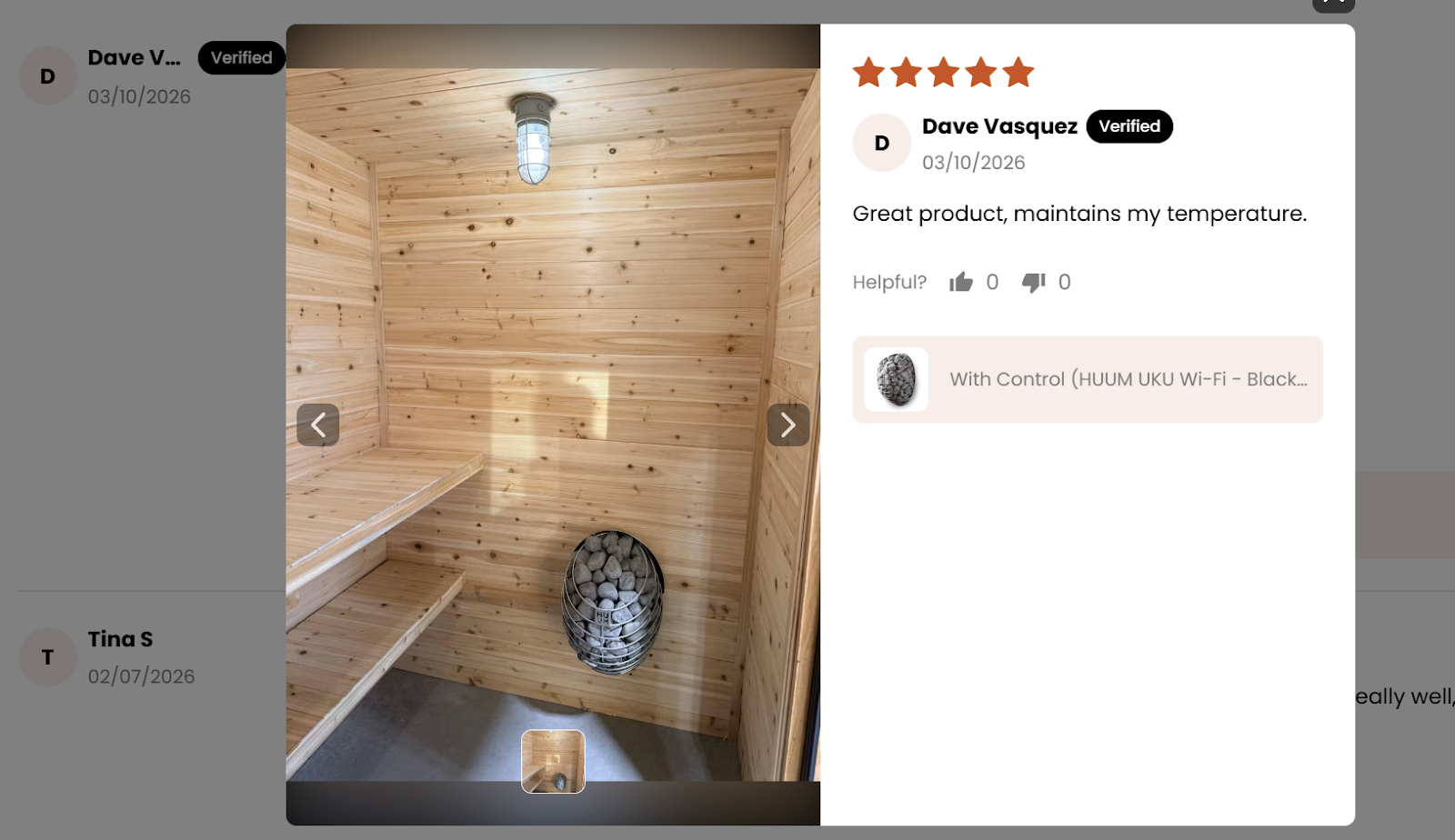
Source: SaunaHeaters.com
Reviews have become the digital version of asking trusted friends for recommendations. They influence both potential customers and search rankings. Google's algorithm considers review quantity, quality, and recency when determining local rankings.
Encouraging satisfied customers to leave reviews shouldn't feel sleazy or desperate. Simple approaches work best: send a follow-up email after a successful transaction with a direct link to your Google Business Profile, mention reviews during checkout conversations, or display a small sign at your register. Many customers are happy to leave reviews when gently reminded — they just need a prompt.
Responding to reviews matters just as much as getting them. Thank people for positive reviews with personalized responses, not generic copy-paste replies. When negative reviews appear (and they will), respond professionally and constructively. Responding thoughtfully to a one-star review can strengthen your business’s reputation by demonstrating to potential customers that you are committed to resolving issues and making improvements.
Never, under any circumstances, buy fake reviews or participate in review schemes. Google has become incredibly sophisticated at detecting artificial review patterns, and the penalties can devastate your local rankings. You can use Removitor to clean those bad reviews.
Keywords for local SEO differ from general SEO because they include geographic modifiers and local intent. A person who searches for “best Italian restaurant” is looking for something different than someone who searches for “best Italian restaurant in Austin.” The second search has clear local intent.
Start by brainstorming how customers actually describe your business and location:
Service + city (“roofing contractor Chicago”)
Service + neighborhood (“coffee shop Capitol Hill”)
Service + “near me” (Google translates these to local results)
Local landmarks + service (“dentist near Pike Place Market”)
These keywords should naturally appear throughout your website, especially on your homepage, service pages, and location pages if you serve multiple areas. Stuffing “Miami plumber” into every sentence makes content unreadable and triggers spam filters. Write for humans first, search engines second.
Creating location-specific content helps too. A blog post about “Preparing Your Houston Home for Hurricane Season” serves readers while incorporating location keywords organically. This type of content demonstrates local expertise and relevance.
You must run a Google Business Profile Audit to get a fully optimized profile and you should include: Essential Information Accurate business name, address, and phone number (NAP) on other websites. These might appear in online directories, social media profiles, review sites, or local business associations. Search engines use citations to verify your business exists and to build confidence in your legitimacy.
The challenge is ensuring your NAP information is consistent across all platforms and listings. That means “Street” versus “St.” matters. “Suite 100” versus “Ste 100” matters. Even phone number formatting matters. Inconsistencies confuse search engines and dilute the SEO value of your citations.
Focus on getting listed in reputable directories first:
Yelp
Yellow Pages
Better Business Bureau
Industry-specific directories (like Avvo for lawyers or Healthgrades for doctors)
Local chamber of commerce websites
Major data aggregators like Neustar, Acxiom, and Foursquare
Managing citations manually can be tedious. Tools like Moz Local, BrightLocal, or Yext automate much of this process by distributing your business information across multiple directories simultaneously and monitoring for inconsistencies.
Make sure your website instantly tells visitors where your business operates and exactly what it offers. Some businesses create beautiful websites that neglect to mention their city until the footer. It means you are leaving potential growth untapped.
The homepage should mention your primary service area prominently. The title tag (what appears in search results) should include both your primary keyword and location. Meta descriptions should reinforce this information while encouraging clicks.
Structured data markup (also called schema markup) helps search engines understand your business details. Adding LocalBusiness schema to your website provides explicit signals about your name, address, phone number, hours, and services. This sounds technical, but many website builders and plugins make it relatively simple to implement.
Creating separate landing pages for each service area makes sense if you serve multiple locations. A plumbing company serving three cities should have dedicated pages for each, with unique content that speaks to each area's specific needs and characteristics.
Backlinks — links from other websites to yours — remain a crucial ranking factor. For local SEO, the quality and local relevance of backlinks matter more than sheer quantity.
Local link opportunities exist all around:
Sponsor local events or sports teams (earn links from event websites)
Join the local chamber of commerce or business associations
Participate in community initiatives and get featured in local news
Partner with complementary local businesses for cross-promotion
Guest post on local blogs or contribute expert quotes to local publications
Building relationships with other local business owners creates natural link opportunities. A wedding photographer, florist, and venue might link to each other's websites since they serve the same customers. These authentic, relevant links carry more weight than random directory listings.
Local searches happen predominantly on mobile devices. Someone searching for “urgent care” or “locksmith” from their phone needs results immediately. If your website takes forever to load or looks broken on mobile, you've lost them before they even see what you offer.
Google ranks and indexes websites based mainly on their mobile versions. If your website works smoothly on desktop but provides a weak experience on mobile, it will likely struggle to rank well in local search results.
Test your website on multiple devices regularly. Web pages need to load in under three seconds, display text clearly without requiring zoom, feature buttons that are easy to tap, and include forms that are quick and simple to fill out on a small screen. Click-to-call phone numbers are essential. Make it frictionless for mobile users to contact you.
Local SEO is a continuous strategy that demands regular attention and consistent improvement. Tracking key metrics helps identify what's working and what needs adjustment:
Local ranking positions for your target keywords
Google Business Profile views and actions (calls, direction requests, website clicks)
Website traffic from local searches
Conversion rates from local traffic
Review velocity and average rating
Google Analytics and Google Search Console give you complimentary data that reveals how visitors reach your site and how they behave once they’re there. Many local SEO tools offer rank tracking and reporting specifically designed for local search performance.
Expect to invest consistent effort over several months before seeing significant results. Local SEO operates more like compound interest than a lottery ticket. Small, regular actions accumulate into substantial advantages over time.
Local SEO levels the playing field between small businesses and large competitors. While major chains have bigger budgets, they can't match a local business's genuine community connection and personalized service. By optimizing for local search, businesses ensure they're visible when potential customers are actively looking for their services.
Success doesn't require mastering every technical detail overnight. Start with the fundamentals — claim and optimize your Google Business Profile, gather reviews, ensure NAP consistency, and create helpful local content. Build from there as you grow more comfortable with the process. The businesses that invest in local SEO today position themselves as the obvious choice when customers search tomorrow.
Andy Beohar is the Managing Partner at SevenAtoms, a premier San Francisco-based ecommerce SEO agency. SevenAtoms excels at helping SaaS, Tech, and Ecommerce businesses achieve exceptional growth through paid search and paid social campaigns. Andy strategizes and executes high-impact paid search marketing strategies that drive measurable results. Connect with Andy on LinkedIn or Twitter!

 AI tools to find & convert leads.
  Send emails at scale