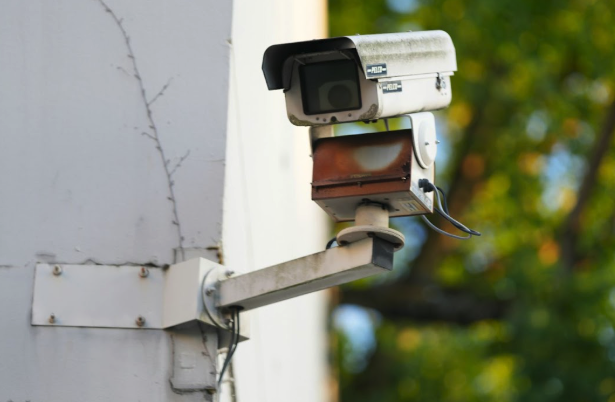
The use of Automated License Plate Recognition cameras was once exclusively used as a tool for law enforcement. However, it’s pushed beyond that, becoming a high-powered source for real-world data, in both commercial lead generation and business intelligence.
By capturing license plates, vehicle types, and time stamps, the use of these AI-powered systems helps businesses to bridge the gap that exists between both physical-world behavior and digital marketing. As a result, it creates targeted and actionable leads.
With that being said, let’s look at how ALPR cameras fit into modern lead generation and business intelligence.
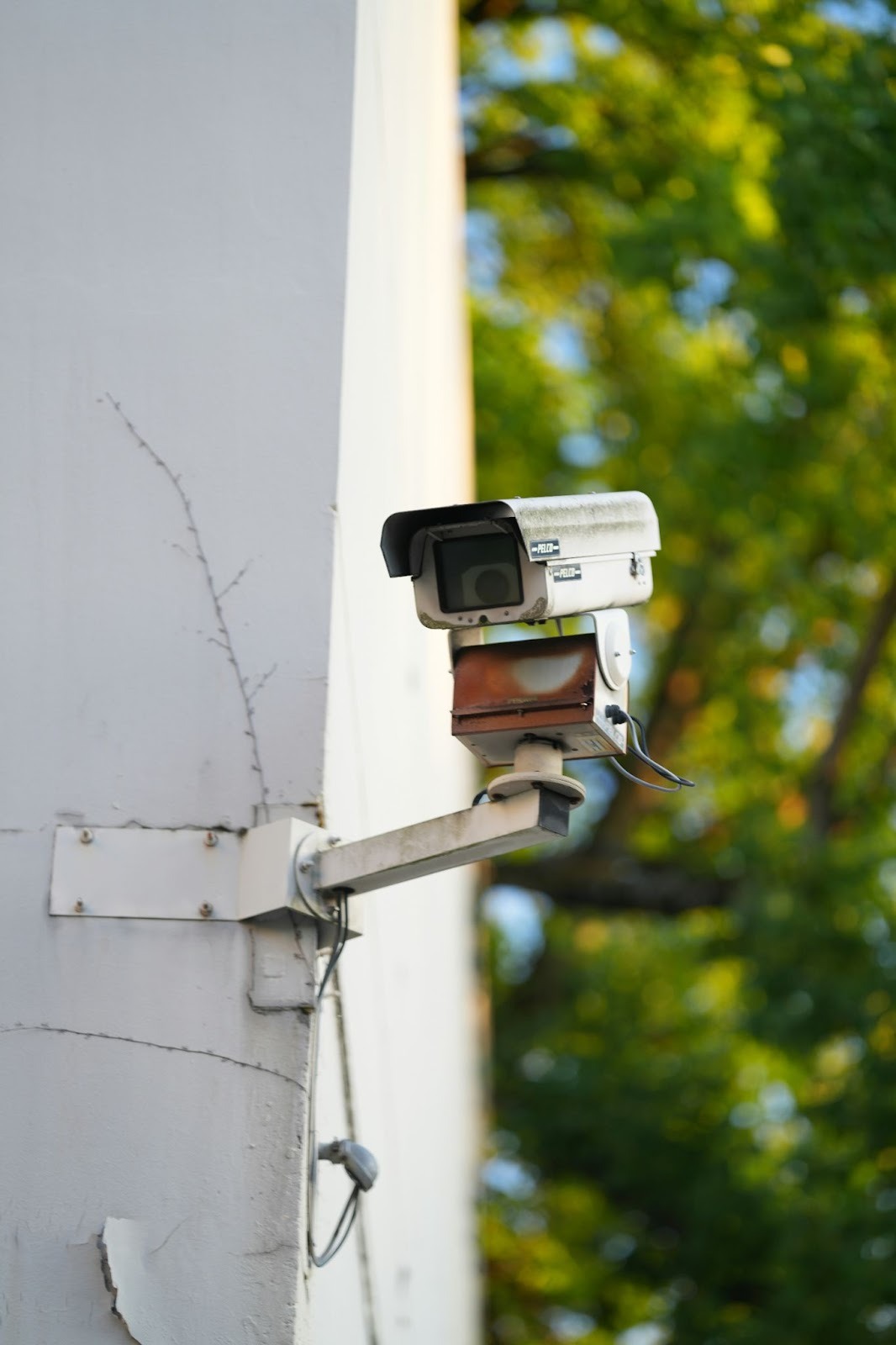
ALPR data enables businesses to understand the who, when, and where of their customer base in real-time.
A lot of retailers and shopping malls will use ALPR to identify any returning customers and analyze visit frequency, like how long they stay, which all provides the information required for targeted loyalty programs.
By analyzing types of vehicles that frequent specific locations, businesses are able to tailor their marketing campaigns for the demographic who are visiting their sites.
Many fast-food and retail locations are using ALPR to identify returning vehicles to the drive-thru and provide tailored menu suggestions based on previous purchases.
ALPR provides direct and real-world proof of intent to purchase, making it superior to many digital tracking methods.
The ability to track in real-time is great for when it comes to drive-by marketing, as it can help trigger offers to the customer's mobile device via geo-fencing when they’re near a business location.
Real estate and property management can benefit from ALPR, too, in order to count passing traffic to prove the value of a high-traffic location for any prospective commercial tenants they may have on their books.


ALPR is great for removing barriers to purchasing. Such examples would be in parking lots and gated facilities where ALPR enables a pay-by-plate system or instant barrier-free access. It eliminates the need for manual ticketing and improves customer experience, as well as encourages repeat business.
An ALPR camera helps to transform traditional advertising, especially when it comes to transit-related spaces.
Businesses can use ALPR to help track specific vehicles, while also carrying advertisements to verify ads are being displayed in designated geographical areas and times.
With precise tracking, businesses are able to see which routes and times often generate the best results and help optimize ad spend, too.
There are certainly some key considerations to make when it comes to modern use. Firstly, as this technology grows, compliance with local privacy regulations is critical. ALPR collects data on individual movements, so compliance must be adhered to when it’s used.
Modern ALPR systems will typically achieve over 95% accuracy, even when there are challenging lighting conditions.
By being able to transform physical traffic into digital and actionable intelligence, ALPR cameras are becoming somewhat of an indispensable tool for companies looking to enhance their efforts when it comes to in-the-wild marketing.
 AI tools to find & convert leads.
  Send emails at scale