
Field sales work happens between places. Representatives move from cars and trains to offices, shops, exhibitions and customer sites. They gather useful information in conversation, but much of it is recorded later, when small details have already been forgotten. They also need product information at the precise moment a prospect asks a question, not after returning to a laptop.
Hands-free AI could reduce some of that friction. Wearable devices can support voice notes, audio prompts, first-person media and quick access to approved information while leaving a representative’s hands available. The opportunity is not to automate the relationship at the centre of sales. It is to make the administrative work around that relationship faster and more accurate.
Capturing Better Notes after a Meeting
A sales meeting often produces information that does not fit neatly into a form. A prospect mentions a deadline, describes an internal concern or uses a particular phrase to explain the problem. These details can shape a strong follow-up, but they are easy to lose when the representative has another meeting immediately afterwards.
A short hands-free voice note can preserve the main points while they are fresh. Speech recognition can turn the note into text, and an AI assistant can organise it into categories such as priorities, objections, stakeholders and next steps. The representative should review the result before it enters a customer record, but the first draft no longer depends on memory at the end of the day.
Preparing before Walking through the Door
Field representatives frequently prepare in a parked car, a reception area or the few minutes between appointments. A hands-free device could deliver a concise audio briefing based on approved account information: the purpose of the meeting, the last interaction, open questions and any promised action.
The briefing needs to be short. A wearable interface is not the right place for a full customer history or a large dashboard. Its advantage is in presenting the two or three details most likely to matter in the next conversation.
AI can help summarise information, but access controls remain essential. A representative should receive only the data required for their role, and sensitive customer information should not be read aloud in a public place. Good design includes knowing when not to surface information.
Supporting Demonstrations and Site Visits
Some sales roles involve physical products, equipment or locations. Holding a phone while demonstrating an item can make the interaction awkward. Hands-free capture allows a representative to document an authorised demonstration or show a remote specialist what they are seeing.
A remote technical colleague could answer a question while a first-person view helps the team prepare a more accurate proposal.
Recording should never be assumed. The customer needs to know what is being captured, why it is needed and where it will be stored. In many meetings the right choice will be to leave the camera off and use audio or manual notes instead.
Faster Follow-Up without Generic Messages
Speed matters after a sales conversation, but fast follow-up is not useful if it sounds unrelated to what the prospect said. Notes captured immediately after the meeting can provide the raw material for a relevant response.
An AI assistant might prepare a draft email that reflects the prospect’s priority, confirms the next action and identifies any information the representative promised to send. The salesperson remains responsible for checking the message and adding the judgement that comes from being in the room.
Choosing Technology around the Workflow
The device should be selected after the team has defined the problem. A group that mainly needs voice notes has different requirements from representatives who conduct product demonstrations or collaborate with remote engineers.
Teams researching the best Meta glasses should compare practical factors such as comfort during a full day, battery life, microphone quality, camera controls, compatibility with company phones and the process for moving information into approved business applications. A well-known device is not automatically the right fit for every sales environment.
Managers should also consider appearance and customer expectations. Smart eyewear may feel natural at an exhibition or outdoor site but distracting in a sensitive negotiation. Representatives need the freedom to use an ordinary alternative when the device would make the conversation less comfortable.
Connecting Wearables to the Sales Process
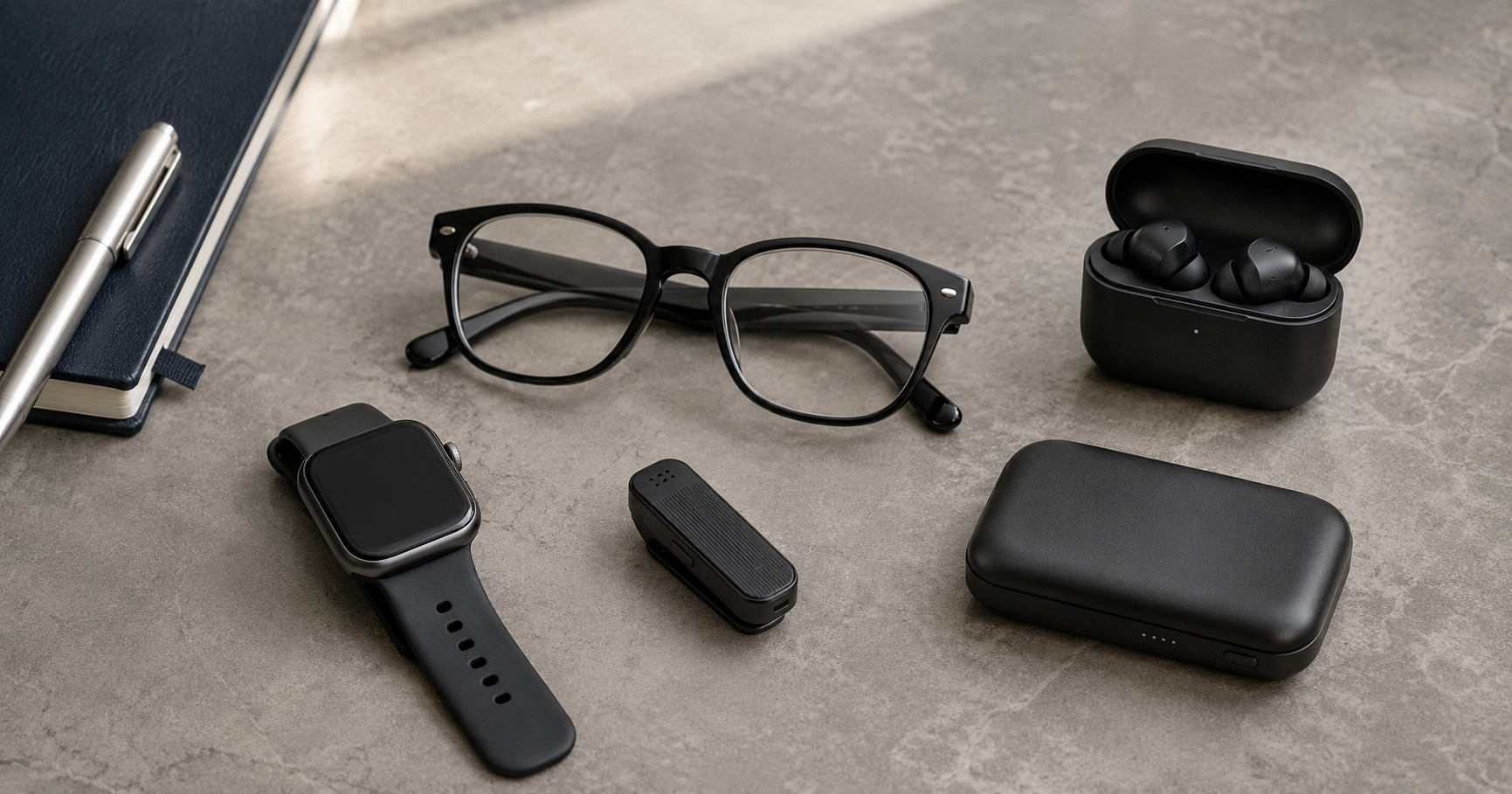
A wearable becomes far more useful when it connects to an organised workflow. Voice notes need a defined destination. Customer records need consistent fields. Follow-up tasks need owners and due dates. Without those connections, the team simply creates another collection of files to manage.
The integration can begin modestly. A recording might be transcribed, reviewed by the representative and then copied into the CRM. Once the team understands the risks and the quality of the output, more steps can be automated. Starting with human review makes it easier to identify transcription errors, incorrect account matching or summaries that miss an important nuance.
Sales operations and information security teams should design the process together. The fastest workflow is not useful if it sends customer information to an unapproved location or makes records difficult to correct.
Privacy, Consent and Employee Trust
Wearable devices can create understandable concern among both customers and employees. A visible, written policy should explain when cameras and microphones may be used, how consent is obtained and which activities are prohibited. Recording indicators should never be covered or disabled.
A device introduced for note-taking should not quietly become a way to track every conversation or movement. Clear limits on employee monitoring are essential for trust.
Data retention should be specific. Raw recordings may not need to remain once an approved summary has been created. Lost-device procedures, account removal and remote access controls should be tested before a wider rollout.
Run a Small, Measurable Pilot
A field sales team can test hands-free AI with one role, one region and one clearly defined task. The pilot might focus on post-meeting notes for four weeks rather than attempting live guidance, recording and automated follow-up at the same time.
Useful measures include the time required to update customer records, the percentage of meetings documented on the same day and the speed of follow-up. Teams should also ask whether representatives felt better prepared and whether the workflow reduced administration.
Hands-free AI has the potential to help field sales teams remember more, prepare faster and reduce repetitive data entry. Its success will depend on disciplined use. The technology should remain in the background, supporting the representative while the conversation, judgement and trust stay firmly human.
 AI tools to find & convert leads.