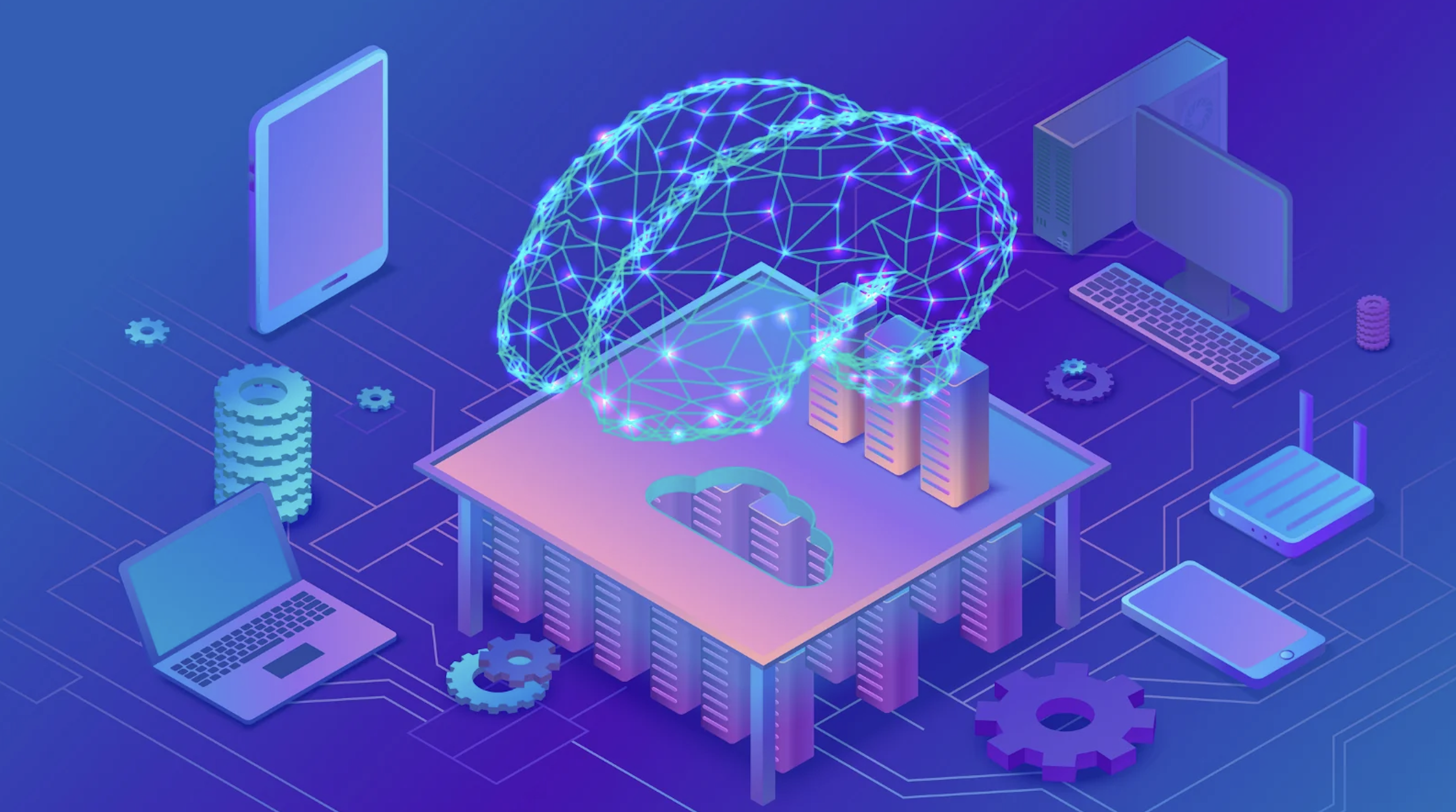
The digital creative industry is entering a new phase as artificial intelligence introduces innovative ways to develop visual content, build virtual identities, and produce multimedia experiences. What once required specialized software, professional production teams, and extensive technical knowledge can increasingly be explored through AI-powered creative platforms.
From virtual brand ambassadors to AI-generated music visuals, these technologies are giving individuals and businesses new opportunities to communicate ideas and connect with online audiences.
As digital platforms continue to evolve, the ability to produce original and engaging content is becoming an important advantage for creators, marketers, and businesses.
Digital personalities are becoming an increasingly interesting part of online communication. Businesses and independent creators are exploring virtual characters to represent brands, participate in storytelling, and develop recognizable social media identities.
An AI influencer generator helps simplify this process by allowing users to create virtual personalities with customized appearances, clothing, expressions, and visual styles.
These characters can be developed for different purposes, including fashion promotions, lifestyle storytelling, product demonstrations, and entertainment campaigns.
Unlike traditional influencer marketing, virtual personalities offer greater control over visual presentation and creative direction. Brands can develop fictional characters that align with their messaging and maintain a consistent appearance across different types of content.
However, creating a convincing virtual personality requires more than generating an attractive image. Consistency, personality development, and a recognizable visual identity are equally important.
Visual storytelling remains one of the most effective ways to communicate ideas online. Whether developing a marketing campaign, designing fictional characters, or creating digital artwork, high-quality imagery helps establish a stronger connection with audiences.
AI image-generation technology is making this process more accessible by translating written descriptions into detailed visual compositions.
Models such as GPT Image 2.6 reflect the growing interest in advanced image-generation capabilities, including prompt-based visual creation and more sophisticated creative workflows.
These technologies can support several activities:
Developing visual concepts for advertising campaigns.
Creating fictional characters for digital storytelling.
Designing promotional artwork for social platforms.
Exploring different artistic styles and compositions.
Producing visual references for animation and video projects.
The ability to experiment with multiple creative directions allows users to refine their ideas before developing final assets.

Music has always played an important role in digital storytelling. It influences mood, creates emotional connections, and helps audiences remember particular visual experiences.
An AI music video generator introduces new possibilities by helping creators turn musical concepts into visual sequences. Instead of organizing a traditional production process for every project, users can explore AI-assisted scenes, animated visuals, and creative video compositions.
Independent musicians, content creators, and marketing teams can use these capabilities to develop:
Promotional videos for new music releases.
Animated visualizers for original tracks.
Short music-based videos for social platforms.
Creative storytelling sequences inspired by music.
Visual content for digital entertainment campaigns.
AI-assisted production also makes it easier to experiment with different artistic directions and visual interpretations of the same musical concept.
The real potential of AI becomes more apparent when different creative technologies are used together.
Consider a creator planning a digital entertainment campaign around a fictional music artist. The process could begin with developing a virtual personality, followed by creating supporting visual assets and producing music-based video content.
A connected workflow might include:
Step 1: Develop a digital identity
Establish the character's appearance, personality, clothing, and overall creative direction.
Step 2: Create visual assets
Generate character portraits, promotional artwork, and supporting images that maintain a recognizable identity.
Step 3: Produce multimedia content
Use AI-powered video tools to animate selected visuals and develop music-related storytelling.
Step 4: Adapt content for different platforms
Create shorter promotional versions, social media posts, and additional creative variations for different audiences.
This approach helps transform individual AI-generated assets into a more complete content strategy.
AI-powered creative technologies are opening opportunities for businesses that previously faced limitations in visual production.
Small businesses can experiment with virtual brand ambassadors, while independent artists can explore music-based video concepts without requiring large production budgets.
Marketing agencies can also use AI-generated visuals to develop campaign concepts, present creative directions to clients, and test different content formats.
For social media creators, these tools provide additional ways to produce distinctive content and develop recognizable online identities.
The biggest advantage is creative flexibility. Users can explore ideas, revise visual elements, and experiment with different formats without rebuilding every project from the beginning.
Despite their advantages, AI technologies still require thoughtful implementation.
Visual consistency: Maintaining recognizable characters across multiple images and videos can require carefully managed references.
Content authenticity: Brands should communicate transparently when virtual personalities or AI-generated media are used.
Copyright considerations: Creators should understand the licensing conditions of generated assets, music, and reference materials.
Creative quality: Automated results may require editing and refinement to meet professional expectations.
Human creativity and editorial judgment remain important throughout the production process.
The future of AI-powered content creation will likely involve more integrated creative environments where images, videos, music, and virtual characters can be developed through connected workflows.
As generative technologies advance, creators may gain more control over character behavior, visual continuity, animation, and multimedia storytelling.
This evolution could change how digital entertainment is produced, how brands communicate with audiences, and how independent creators develop their online presence.
Ultimately, AI is not simply making content production faster. It is expanding the range of creative ideas that individuals and businesses can explore. The most successful creators will be those who combine these technologies with original thinking, strong storytelling, and a clear understanding of their audiences.
 AI tools to find & convert leads.
 Send emails at scale