
Growing a SaaS startup often feels like a trade you never agreed to. Every push for more pipeline seems to come with higher spend, more tools, or a longer payroll. If you slow down, growth stalls. If you push harder, burn creeps up.
Most teams aren’t careless. They’re busy—campaigns launch, dashboards light up, and meetings stay full. But when you look closely, a lot of that activity doesn’t turn into qualified conversations or closed revenue. The pipeline grows unevenly, while costs stay stubbornly predictable.
This guide looks at how SaaS startups can grow pipeline without taking on that extra weight. It focuses on practical shifts in metrics, demand generation, sales execution, and early go-to-market structure, including upcoming GTM tools like Conigma fit when efficiency matters more than scale for scale’s sake.
Most early SaaS teams don’t overspend because they are reckless. They overspend because they are chasing motion. It’s easy to mistake activity for progress when trying to prove momentum. Popular marketing stats like website traffic, signups, social media followers/likes, and more don’t guarantee a healthier pipeline.
What actually matters is whether your efforts turn into conversations that convert. Two metrics force honesty here:
Customer Acquisition Cost (CAC) shows what it really costs to land a paying customer from a marketing channel.
Lifetime Value (LTV) tells you how much room you have to spend before growth stops making sense.
Once you anchor on those, a lot of “successful” initiatives stop looking so impressive. Some channels look cheap but never convert, while others look slow but quietly outperform everything else. That clarity is uncomfortable, but it saves you from spending money just to feel busy.
Paid growth has its place, but it should not be the foundation when burn matters. The most resilient pipelines usually come from channels that reward consistency more than cash. Content still works, especially when it is grounded in real operating experience.
Founders underestimate how much signal exists in:
Short, specific blog posts that answer one real buying question
Webinars that walk through an actual decision process
Case studies that explain why a deal closed, not just that it did
SEO compounds slowly, but it compounds honestly. A piece that attracts the right buyer six months from now is often worth more than a paid campaign that spikes and disappears.
Community also plays a bigger role than most teams admit. Not “community building” as a buzzword, but showing up where your buyers already talk. Conversations in Slack groups, founder forums, LinkedIn threads, and small industry events do not scale fast, but they scale cleanly, especially when combined with targeted outreach using exhibitors data to connect with key prospects after the event.

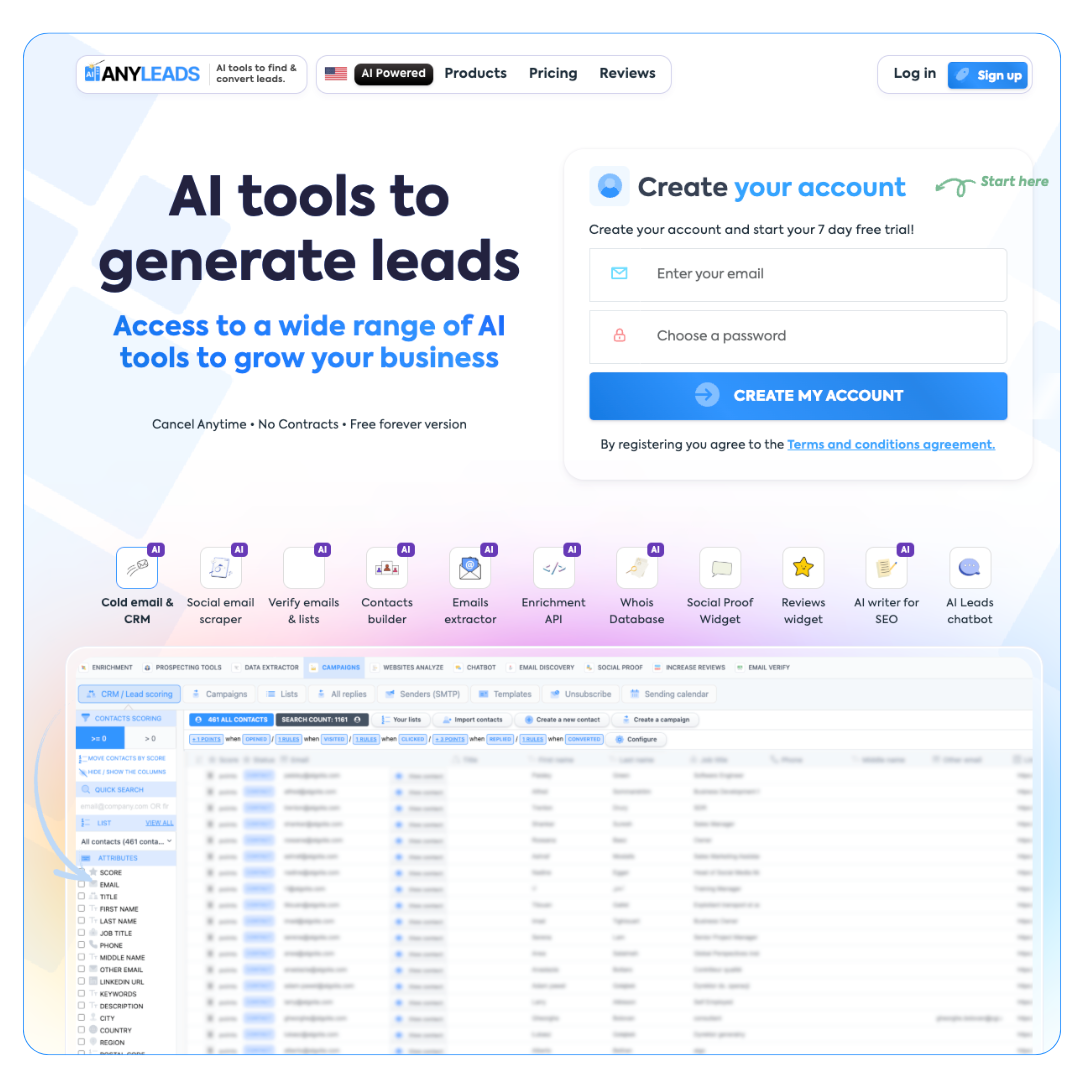
Sales efficiency is where burn quietly hides, because when reps chase every lead equally, payroll becomes your most expensive experiment. Good sales teams do not work harder. They work narrower.
Lead scoring is the starting point, with enough structure to answer basic questions, such as
Is this company actually a fit?
Are they showing buying behavior or just browsing?
Is this worth a conversation now or later?
Automation helps here because it removes judgment calls from repetitive decisions. When leads are routed, prioritized, and followed up consistently, your team spends more time talking to the right people.
Context matters just as much. Reps close faster when they understand why someone showed up, what they touched, and where they hesitated. That information should not live across five tools and three dashboards.
Most startups do not plan to create tool chaos. It just happens when you add one tool for outbound, another for enrichment, one for analytics, and one for routing. Each solves a problem, but together, they create friction.
The cost shows up in subscription fees that grow quietly over time, integration work that never quite feels “done,” and teams arguing over whose data is correct
Platforms like Conigma are designed around this exact problem. Instead of stitching together point solutions, you get a shared system that connects signals, automation, and execution across growth and sales.
Automation only helps when it removes work you do not need humans to do. When used poorly, it adds noise. But when used effectively, it keeps your team focused on important tasks. The best use cases of automation are generally unglamorous:
Routing leads based on clear rules
Triggering follow-ups that would otherwise be forgotten
Surfacing intent signals without manual digging
Cleaning and enriching data in the background
AI-powered workflows, like Conigma promises, make your day-to-day tasks easier, but the true value is in the outcome. You keep headcount flat while output increases, reduce mistakes that come from manual processes, and give your team space to think instead of react.
One of the fastest ways to increase burn is scaling ideas before they earn it. Every channel should prove itself in a small, controlled way. For SaaS teams looking for more structured guidance on pricing and monetization, Monetizely offers useful resources on pricing strategy, packaging, and revenue growth. That means clear expectations, short timelines, and honest reviews.
A simple approach you can follow:
Define what success looks like in CAC and pipeline terms
Test with a limited budget or scope
Review quickly and decide whether to stop, adjust, or expand
When teams skip this step, underperforming initiatives continue to stack around. Money keeps flowing into them because no one wants to admit it is not working. That’s why discipline matters. You scale only after knowing why something works, not hoping it does.
Most SaaS startups do not fail because they cannot grow. They fail because growth costs more than it returns.
Pipeline does not have to come with runaway burn. It comes from clearer metrics, focused demand channels, disciplined sales execution, and systems that remove friction instead of adding it.
If you build with efficiency in mind early, growth stops feeling like a gamble. It becomes something you can repeat, measure, and trust. That is the difference between chasing momentum and actually building it.
 AI tools to find & convert leads.
  Send emails at scale