
Embarking on the journey to establish a lead generation agency using white label software can be a rewarding venture, offering numerous opportunities to cater to diverse market needs. This comprehensive guide walks you through each critical step, from identifying your niche and selecting the right software to crafting a compelling brand identity and developing a tailored marketing strategy. You'll learn how to set up an effective online presence, streamline operations with white label solutions, and optimize processes for maximum efficiency. Additionally, the guide delves into building strong client relationships and troubleshooting common challenges, ensuring long-term success in the competitive landscape of lead generation. By understanding these essential components, you can position your agency as a leader in delivering high-quality leads and exceptional client service.
Before diving into the lead generation business, it is crucial to understand why selecting a niche is essential. A well-defined niche helps you target specific industries or markets, allowing you to tailor your services and marketing strategies effectively. This focus enhances your agency's expertise and increases your appeal to potential clients looking for specialized knowledge.
Choosing a niche also reduces competition, leading to higher conversion rates and better client retention. Industries like healthcare, finance, and technology are often lucrative due to their ongoing demand for quality leads.
One common mistake is selecting a niche based solely on current trends without considering long-term viability. Assess the market's stability and potential for future expansion to avoid this pitfall.
Another mistake is choosing a niche without adequate research. Ensure that there is a genuine need for lead generation services within the niche. Conduct market research to understand the pain points and needs of businesses in that sector.
Once you've identified a potential niche, evaluate whether it aligns with your agency's strengths and expertise. Monitor key performance indicators such as client acquisition rates and lead conversion metrics to ensure your niche selection is effective.
| Factor | Consideration |
|---|---|
| Market Demand | Is there a consistent need for lead generation in this niche? |
| Competition | How saturated is the market with similar services? |
| Expertise Alignment | Do your skills and resources match the niche's requirements? |
Before diving into the selection process, it's crucial to understand the essential features and capabilities of white label software. This software should offer robust lead management, automation, and analytics tools, which are vital for efficiently managing client campaigns. Ensure the software supports integration with existing CRM systems to streamline operations.
Consider whether the software offers customizable branding options to present a unified brand image to your clients. For a comprehensive list of top software options, explore the 10 Best Essential White Label Lead Generation Software Solutions For 2026.
A frequent mistake is choosing software based solely on price. While budget considerations are important, focus on the value provided by the software in relation to its cost. Evaluate whether the software can scale with your agency as it grows.
Another pitfall is neglecting to test the software before committing. Most providers offer free trials or demos; utilize these opportunities to assess usability and ensure the software meets your agency's specific needs.
To effectively evaluate white label software, follow these steps:
By following these steps, you can select a white label software solution that meets your current needs and supports future growth.

Before setting up your pricing strategy, it's essential to understand the different models available for lead generation agencies. Common approaches include flat-rate pricing, where clients pay a fixed fee for a set number of leads, and performance-based pricing, which charges clients based on the quality or quantity of leads delivered. Each model has its advantages and trade-offs.
Consider the nature of your target market and the typical expectations within your industry. For instance, industries with high lead value, such as real estate or finance, might favor performance-based pricing, while sectors with predictable lead generation, like local services, might benefit from a flat-rate approach.
Once you have identified the appropriate pricing model, research what competitors are charging for similar services to determine competitive yet profitable pricing. Factor in your operational costs, including software licenses, personnel, and marketing expenses, to ensure your pricing covers expenses while providing a healthy profit margin.
Regularly review your pricing strategy to adapt to market changes and client feedback, ensuring it remains competitive and aligned with your business goals.
| Pricing Model | Advantages | Considerations |
|---|---|---|
| Flat-Rate Pricing | Predictable revenue | May not incentivize quality improvements |
| Performance-Based Pricing | Incentivizes quality leads | Revenue can vary significantly |

Before diving into the creation of your agency's brand identity, it's crucial to understand what it entails. A brand identity is more than just a logo or color scheme; it encompasses the overall perception of your agency in the market. This includes your agency's values, mission, and unique selling propositions. Establishing a strong brand identity is essential for differentiating your agency from competitors and building trust with potential clients.
When considering how to start a lead generation agency with white label software, your brand identity should reflect the value and reliability of the services you offer. Ensure that your branding aligns with the expectations of your target market, providing a consistent message across all platforms and communications.
One common mistake agencies make is failing to maintain consistency across various branding elements. Inconsistent messaging can confuse potential clients and weaken your brand's impact. To avoid this, create a comprehensive brand guideline that outlines your logo usage, color palette, typography, and tone of voice. This guide will help ensure uniformity in all marketing materials and communications.
Another pitfall is neglecting to update your brand identity as your agency evolves. As you grow and adapt to market changes, your brand should also reflect these developments. Regularly review and refresh your branding to keep it relevant and engaging. This proactive approach will help you stay competitive and resonate with your audience.
To implement a compelling brand identity, start by defining your agency's core values and mission. These elements should be at the heart of all branding decisions. Next, design a memorable logo and choose a color palette that reflects your agency's personality and appeals to your target audience.
Once your visual elements are in place, focus on creating a consistent brand voice. This involves crafting messaging that aligns with your agency's values and resonates with your audience. Finally, evaluate the effectiveness of your brand identity by gathering feedback from clients and monitoring engagement metrics. Adjust your strategy as needed to ensure your brand remains strong and effective in the marketplace.
Before setting up your website, define your agency's unique value proposition and how it will be communicated online. Your website should clearly articulate what sets your agency apart, guiding the design and content to resonate with potential clients.
Choose the right website platform that aligns with your technical skills and business needs. Options range from user-friendly platforms like WordPress to more complex solutions like custom-coded websites.
Neglecting mobile optimization is a common mistake. Ensure your website is responsive and functions seamlessly across all devices. Also, implement search engine optimization (SEO) best practices early on to enhance visibility.
To effectively establish your online presence, follow these steps:
By following these steps, you can create a robust online presence that attracts leads and establishes your agency as a trusted authority in the industry.
Before diving into lead generation, it's crucial to understand the unique characteristics and demands of your chosen niche. Each industry has its own set of challenges and opportunities that can significantly affect your strategy's success. Conducting thorough market research is essential to identify potential gaps in the market.
A common mistake is failing to set clear, measurable objectives. Ensure that each objective is SMART: Specific, Measurable, Achievable, Relevant, and Time-bound. This approach provides a clear roadmap for tracking progress.
Another pitfall is neglecting to optimize your strategy over time. Regularly reviewing and adjusting your strategy is vital to maintaining its effectiveness.
Before marketing your lead generation agency, understand the core concepts that will shape your strategy. Effective marketing involves identifying your target audience, understanding their needs, and crafting messages that resonate with them. Develop a clear value proposition that distinguishes your services from competitors.
Mapping out the sales funnel helps visualize the customer journey from awareness to conversion, ensuring your marketing strategies attract and convert leads effectively.
One common mistake is neglecting to set measurable goals. Establish specific, measurable, achievable, relevant, and time-bound (SMART) goals to assess the effectiveness of your strategies.
Another pitfall is failing to utilize data analytics. Implementing tools like Google Analytics can provide insights into website traffic and user behavior, allowing you to refine your strategies for better results.
To effectively attract clients, consider following these practical steps:
By following these steps, you can create a robust marketing plan that attracts clients and fosters long-term relationships, ensuring the growth and success of your lead generation agency.

Before implementing white label software, understand its core benefits and limitations. White label solutions allow you to rebrand and customize software developed by another company, saving time and resources. Ensure the software aligns with your agency's specific needs and objectives.
Consider the scalability of the software. As your agency grows, the software should handle increased demand without compromising performance. Evaluate the vendor's support and update policies to maintain smooth operations.
A common mistake is selecting software based solely on price. Low-cost options may lack essential features or provide inadequate support. Another pitfall is neglecting to test the software thoroughly before full-scale implementation; conduct a pilot test to ensure compatibility with your existing systems.
Once implemented, regularly assess whether the white label software delivers the expected benefits. Monitor key performance indicators (KPIs) such as lead conversion rates and operational efficiency to evaluate success. Feedback from your team can provide valuable insights into the software's usability and impact on daily operations.
To effectively monitor your lead generation performance, it is crucial to identify and track specific metrics. These metrics typically include conversion rates, which measure the percentage of leads that turn into paying customers, and cost per lead, which helps determine the financial efficiency of your campaigns. By consistently reviewing these metrics, you can gain insights into which strategies are working and which need adjustment.
Additionally, tracking the source of your leads can reveal which channels are most effective. This might include organic search, paid advertising, or social media. Understanding the origin of your leads allows you to allocate resources more effectively and optimize your marketing efforts.
One common mistake in monitoring lead generation performance is relying solely on vanity metrics like website visits or social media likes. While these numbers can provide some insight, they do not directly correlate with business success. Instead, focus on actionable metrics that directly impact your bottom line.
Another pitfall is failing to regularly review and adjust your strategies. The digital landscape is constantly evolving, and what works today might not be effective tomorrow. Establish a routine for regular analysis and be prepared to pivot your strategies as needed.
To avoid these pitfalls, ensure you have a structured approach to data analysis. Use white label software to automate data collection and reporting, which can save time and reduce errors. By implementing these practices, you can refine your approach on how to start a lead generation agency with white label software, ensuring sustained growth and efficiency.
Before diving into process optimisation, it's essential to understand what it entails. Process optimisation involves streamlining your workflows to eliminate inefficiencies and enhance productivity. This often requires a thorough analysis of your current operations to identify bottlenecks and areas for improvement. For a lead generation agency, optimising processes might include automating repetitive tasks, improving communication channels, and integrating white label software solutions that align with your business objectives.
Consider a scenario where your team spends excessive time on manual data entry. By implementing an automated CRM tool, you can reduce this time significantly, allowing your team to focus on more strategic activities. This approach not only saves time but also reduces the likelihood of errors, improving overall service quality.
One common mistake in process optimisation is neglecting to involve team members in the decision-making process. Employees who engage with the processes daily can provide valuable insights into what works and what doesn't. Involving them can lead to more effective solutions and smoother implementation.
Another pitfall is failing to set clear objectives. Without specific goals, it's challenging to measure the success of your optimisation efforts. Establish clear, measurable objectives such as reducing lead response time by a specific percentage or increasing conversion rates. Regularly evaluate these metrics to ensure your strategies are effective.
Tradeoffs are inevitable; for instance, while automating a process might save time, it could require an initial investment in new software. Weigh these costs against the potential benefits to make informed decisions. For more insights on enhancing your agency's efficiency, visit Digital Marketing Agency Perth How Local Businesses Get More Leads Without Wasting Budget.
To practically implement process optimisation, start by mapping out your current workflows. Identify tasks that are repetitive or prone to errors and explore automation options. For example, using a lead scoring system can prioritise leads based on their likelihood to convert, allowing your sales team to focus on high-potential opportunities.
Next, invest in training your team to ensure they are comfortable with new tools and processes. This step is crucial for seamless adoption and maximising the benefits of your optimisation efforts. Regularly review and adjust your processes to adapt to changing business needs and technological advancements.
Finally, maintain a feedback loop with your team to continually refine your processes. Encourage open communication to identify new challenges and opportunities for further optimisation. By staying proactive, you can ensure your agency remains competitive and efficient.
To build strong client relationships, understand the unique needs and expectations of each client. Conduct thorough research and maintain open communication channels to tailor your services effectively. Setting clear expectations from the onset helps avoid misunderstandings.
Overpromising and underdelivering can damage trust. Set realistic goals and communicate potential challenges upfront. Regular updates and check-ins can prevent misunderstandings and reinforce the partnership.
To evaluate the success of your client relationships, consider both qualitative and quantitative metrics. Regular surveys or feedback sessions can provide insights into areas of improvement. Track metrics such as client retention rates and project completion timelines to gauge satisfaction and loyalty.
| Metric | Indicator of Success | Action Required |
|---|---|---|
| Client Retention Rate | High | Continue current strategies |
| Referral Rate | Increasing | Encourage referrals with incentives |
| Project Completion Timelines | On Schedule | Maintain efficiency |
One of the primary challenges in lead generation is ensuring the quality of leads. Agencies often face difficulties in converting leads into sales, which can stem from targeting the wrong audience or employing ineffective methods. Additionally, managing client expectations poses another significant hurdle. Clients may have unrealistic goals or timelines, leading to potential dissatisfaction. Understanding these core issues is crucial for developing effective strategies to address them.
Integrating white label software into existing systems is another common challenge. Agencies must ensure that the software is compatible with their current processes and aligns with client needs. This requires a comprehensive understanding of both the software's capabilities and the agency's operational workflow. Recognizing these challenges early allows agencies to plan strategically for successful integration.
To overcome these challenges, agencies should refine their lead qualification processes. Establishing clear criteria for high-quality leads and utilizing analytics to track performance can help in targeting more promising prospects. Data-driven insights enable agencies to adjust their strategies effectively.
Improving communication with clients is another critical step. Regular updates and transparent reporting can help manage expectations and foster trust. Providing training for teams on using white label software ensures that everyone can leverage its full potential, enhancing overall efficiency.
Evaluating the success of these strategies is essential. Agencies should regularly review lead conversion rates and client satisfaction levels to assess the effectiveness of their approach. Continuous monitoring of these metrics allows agencies to make informed decisions and adapt their tactics as needed, maintaining competitiveness in the dynamic field of lead generation.
In conclusion, launching a lead generation agency using white label software requires a strategic approach that begins with identifying a niche that aligns with your expertise and market demand. Selecting the right white label software is crucial, as it should offer robust features like lead management and automation while integrating seamlessly with existing CRM systems. Establishing a sound business model and pricing strategy tailored to your target market ensures financial sustainability and competitiveness. Building a compelling brand identity and setting up an effective online presence are vital for differentiating your agency and attracting clients. Crafting a lead generation strategy that addresses the unique needs of your niche will enhance your agency's appeal, while implementing effective marketing techniques will draw in potential clients. Utilizing white label software to streamline operations and monitoring performance through key metrics will help optimize processes for efficiency. Building strong client relationships and troubleshooting common challenges will secure long-term success. As a next step, focus on refining your lead generation strategy to ensure it aligns with the evolving demands of your chosen niche and continues to deliver high-quality leads.
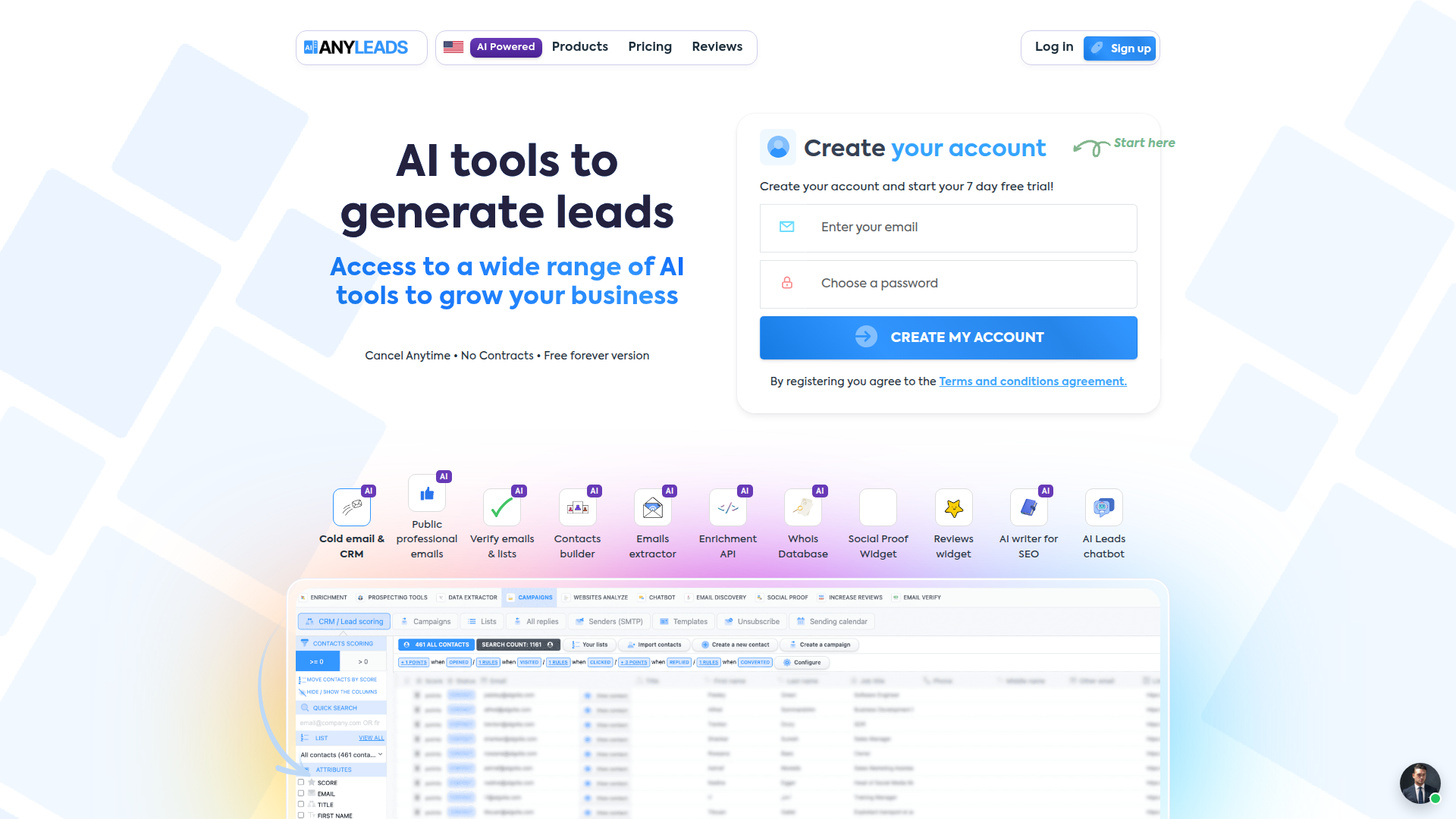
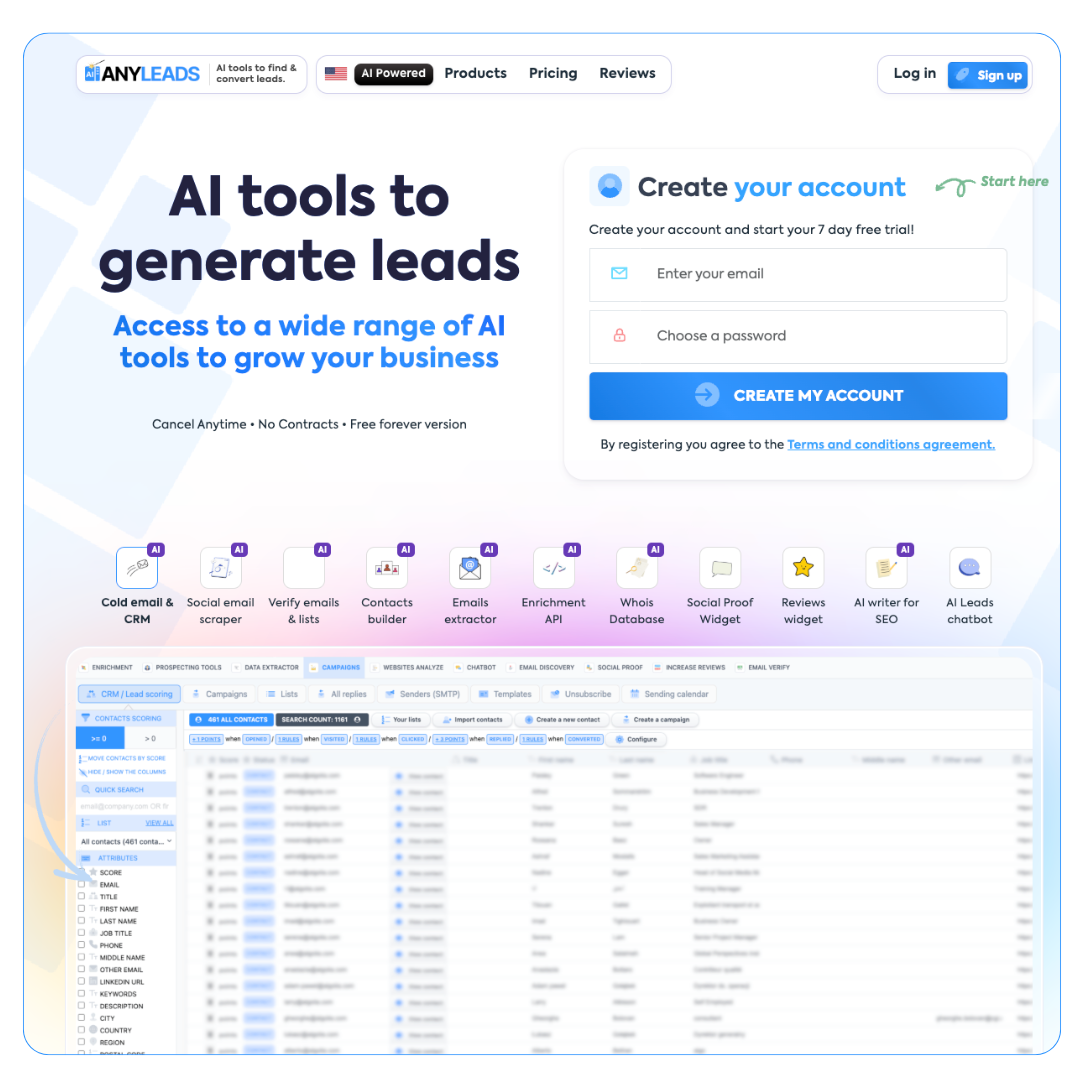
Anyleads offers a cutting-edge lead generation platform that equips businesses with advanced AI tools to efficiently find and convert leads. With features like automated outreach, email verification, and data enrichment, Anyleads streamlines the entire process, saving you time while enhancing your marketing efforts. Whether you're a sales team, marketer, or recruiter, Anyleads provides the tools you need to boost your prospecting and increase conversion rates. Discover more with Anyleads today!
 AI tools to find & convert leads.
 Send emails at scale