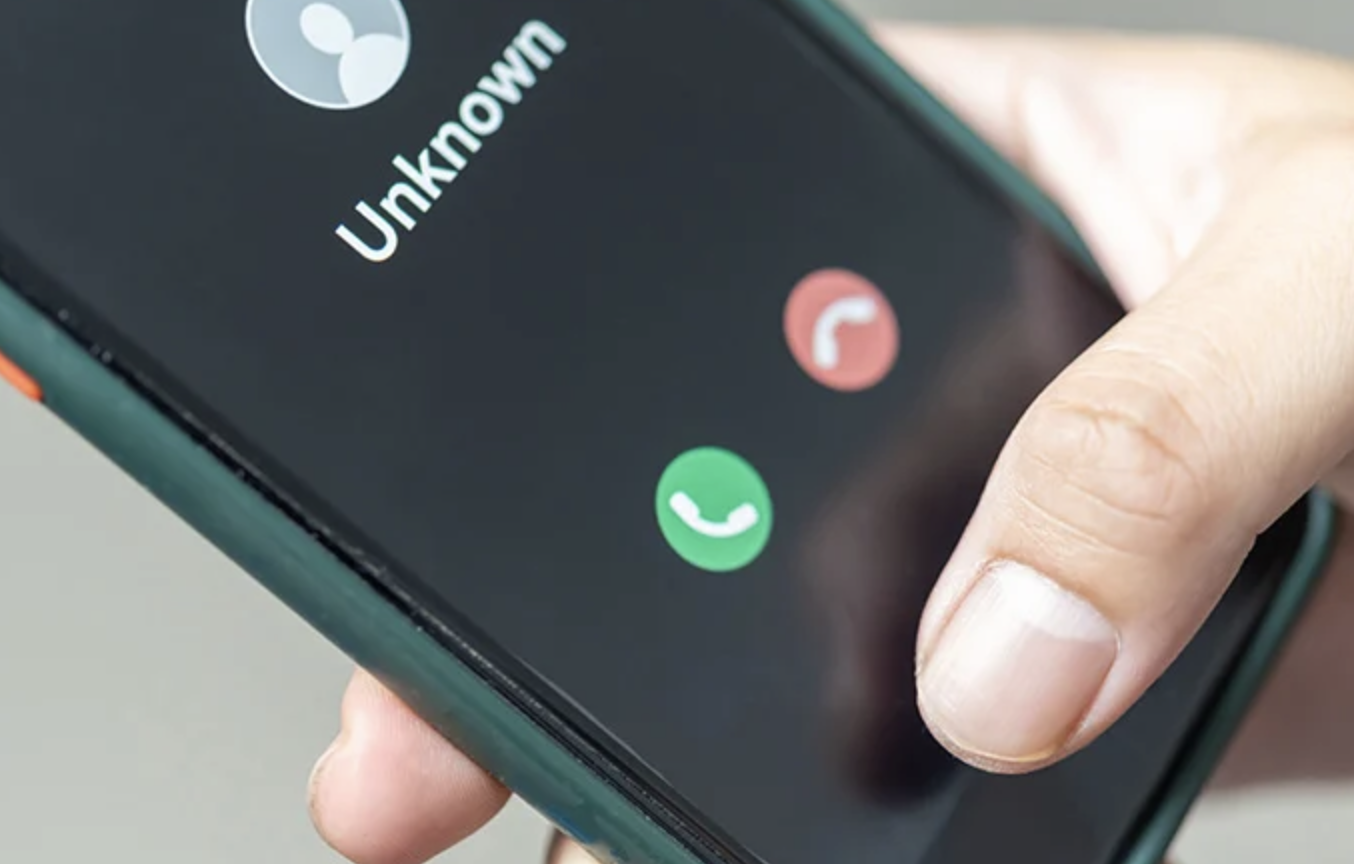
An unfamiliar number flashes on your screen, and the same question runs through your head every time: answer, ignore, or look it up first? Most people now default to the third option. The National Do Not Call Registry logged more than 2.6 million complaints about unwanted calls in fiscal year 2025 alone, which helps explain why checking a number before picking up has become second nature for so many people.
That instinct raises a fair question, though: what does a phone number search actually tell you? Some searches return a full name and address in seconds. Others come back empty, or only confirm a number has been flagged as spam. This guide breaks down exactly what caller information by number can and can't reveal, how that data gets compiled, and what to do once you have it.
When you search for caller information by number, you'll typically get identity details, location data, and reputation signals, though the depth varies by number type and database. Landlines and long-registered mobile numbers tend to surface more, since they've been tied to public records for longer. Newer or reassigned numbers often return thinner results.
The most common result is a name, sometimes paired with an associated business or household. Many searches also return a general location, such as a city or region tied to the number's original registration, along with the carrier or network the number runs on.
This is usually enough to tell whether a call is coming from a person, a company, or an automated system.
Beyond identity, most modern lookup tools show whether a number has been reported by other users. A high volume of recent spam reports is one of the clearest signals available, often more reliable than the name attached to the number. Some tools also flag whether a number has been associated with known robocall campaigns or scam patterns.
Caller name or business name, when available in the database.
General location, typically city or region level rather than a precise address.
Carrier or line type, showing whether it's a mobile, landline, or VoIP number.
Spam or scam reports, aggregated from other users who've received calls from the same number.
Getting caller information by number works by pulling from a combination of public records, carrier registries, and crowdsourced reports rather than a single master source. No individual company owns a complete directory; each database is really an aggregation built from many smaller ones.
That's also why results can differ slightly between two different lookup tools for the same number.
Public records. Property records, business registrations, and other publicly filed documents often list a phone number alongside a name.
Carrier and porting data. Telecom providers maintain records tied to number ownership, even as numbers move between carriers.
User-submitted reports. Millions of people flag spam or scam numbers after receiving a call, building a live reputation layer on top of static records.
Opt-in directories. Some numbers appear because a person or business voluntarily listed them somewhere, like a business directory or an old phone book archive.
Mobile numbers, especially newer ones, often return less identity data than landlines because they're less consistently tied to public filings. VoIP numbers, which are cheap to generate and easy to abandon, are the hardest to trace back to a stable identity, which is part of why scammers favor them. This uneven coverage is normal and doesn't necessarily mean a number is suspicious on its own.


A phone number search will not reveal private financial details, government ID numbers, or the content of someone's messages and calls. Legitimate lookup tools are built on public and semi-public data, not access to private accounts or protected records.
Anything that claims to offer that kind of access should be treated as a red flag rather than a feature.
Financial account numbers or balances. No legitimate caller ID or lookup service has access to banking details.
Social Security numbers or government IDs. These aren't part of public phone number databases.
Private message or call content. Lookup tools show who's associated with a number, not what was said on a call.
Real-time location tracking. A search can show a general registered area, not a live GPS position.
Looking up a number effectively takes a few consistent steps rather than a single search. Following them in order reduces the chance of missing context that would otherwise change how you interpret the result.
Note the exact number, including area code, before searching. Small formatting errors can return an unrelated result.
Run the number through a reputable lookup tool that combines public records with user-reported spam data, rather than a single static directory.
Check the reputation signals first, not just the name. A name attached to a number doesn't rule out spam if recent reports flag it as suspicious.
Cross-check the location and carrier details against what the caller claimed, if they left a voicemail or message.
Save or block the number based on what the search shows, rather than waiting for a second call to decide.
Report the number if it turns out to be a scam or spam call, which improves the data available to the next person who searches it.
What a lookup returns should shape your next move, and the right response depends heavily on what actually shows up. Treating every result the same way, whether it's a clear match or a total blank, leads to either overreacting or ignoring a real warning sign.
| What the search shows | Likely meaning | Recommended action |
| Verified business name, no spam reports | Legitimate company or service | Safe to answer or call back |
| Personal name, no reports, unfamiliar to you | Could be a genuine personal contact | Consider answering; verify identity if unsure |
| Multiple recent spam or scam reports | High-risk number | Avoid answering; block and report |
| No results at all | New, rarely used, or recently reassigned number | Let it go to voicemail before deciding |
The single most useful takeaway here is that a phone number search works best as a reputation check, not a background check: it tells you what other people have already experienced with that number, which is often more valuable than the identity details alone. Treating a lookup as a quick trust signal, rather than an exhaustive profile, keeps expectations realistic and the process fast.
That's exactly the gap tools built for caller information by number are designed to close. Sync.me draws on a database of more than 5 billion phone numbers combined with AI-powered insights, giving real-time context on unknown calls the moment they come in, rather than after the fact. Paired with spam and fraud blocking across Android and iPhone, it turns a moment of uncertainty into a quick, confident decision about whether to answer.
How can I find out who is calling me from an unknown number?
Running the number through a reverse phone lookup tool is the fastest way, since it checks public records and user-reported spam data at once. Results usually include a name, general location, and whether other people have flagged the number as spam.
Will a phone number search show someone's exact address?
Most searches return a general location, like a city or region, rather than a precise street address. Full address details are typically only available through more limited, permission-based public record searches.
Can I look up a cell phone number the same way as a landline?
Yes, though results often differ; landlines tend to return more consistent identity data since they're more often tied to long-standing public records. Cell phone lookups still work well for spam and reputation checks, even when identity details are thinner.
Is it legal to look up someone's caller information by number?
Yes, reputable lookup services rely on public and aggregated data, which is legal to search and display. Using that information to harass someone or for stalking purposes is not legal, regardless of how it was obtained.
Why did a number search come back with no results?
A blank result usually means the number is new, rarely used, or was recently reassigned to a different owner. It doesn't necessarily mean anything suspicious, though it's still reasonable to let an unfamiliar, unlisted number go to voicemail first.
 AI tools to find & convert leads.
  Send emails at scale