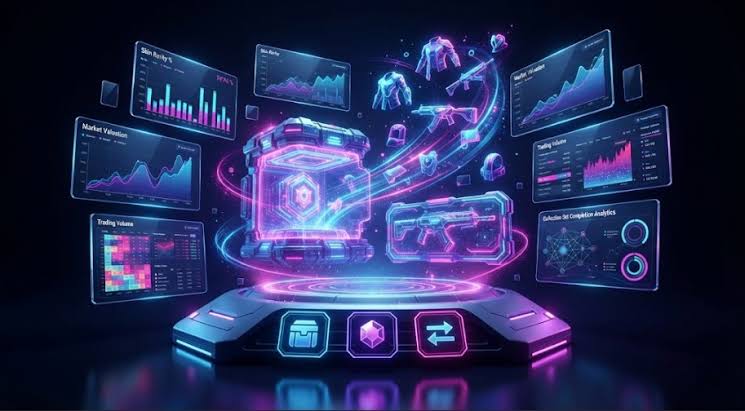
Counter-Strike 2 is a free-to-play shooter, yet the cosmetic items inside it support a market worth billions of dollars. Millions of players trade weapon skins, knives and stickers every day, and a whole industry of marketplaces, price trackers and payment providers has grown around them. For anyone who studies digital businesses, it is one of the most interesting live examples of a virtual economy at scale. Here is how it works, from where the items come from to why people Buy CS2 skins with real money, and what happens when the platform owner changes the rules.
Depending on the tracker, the CS2 skin market was valued at somewhere between roughly $4 billion and $7 billion in 2026. The spread is wide because there is no official figure: each tracker estimates the total from listed prices and item supply in its own way, and the methods are not directly comparable. What every source agrees on is the order of magnitude. This is a multi-billion-dollar market built entirely on cosmetic items.
New items enter the economy mainly through cases. A player gets a case, buys a key from Valve for about $2.50 and opens it for a random item. Most drops are cheap, while the rarest category, knives and gloves, appears roughly once in every 385 openings. Valve controls every tap: it decides which cases drop, when old ones are retired and how rare each item is. Once a case stops dropping, its contents become a fixed supply, and that scarcity is what pushes old items up in price.


Demand is mostly emotional and social. A skin changes nothing about how a gun performs, but players see each other's loadouts constantly, and rare items carry status. Esports adds fuel: when a star player uses a skin on a big stage, interest in it rises. On top of that sits a layer of collectors and traders who treat rare items, such as early tournament stickers, as long-term holdings.
Valve runs its own market inside Steam, but it has two limits that shaped the entire industry. Each sale costs the seller about 15% in fees, and the money goes into a Steam Wallet that cannot be withdrawn to a bank account. Players who want real money, or simply lower fees, moved to independent marketplaces, and those platforms built several business models:
Peer-to-peer marketplaces match buyers and sellers and earn a commission on each deal.
Instant buy and sell services quote a price for an item right away and earn on the spread between buying and selling.
Payment flexibility became a competitive edge: cards, PayPal and crypto payouts let users cash out in the way they prefer.
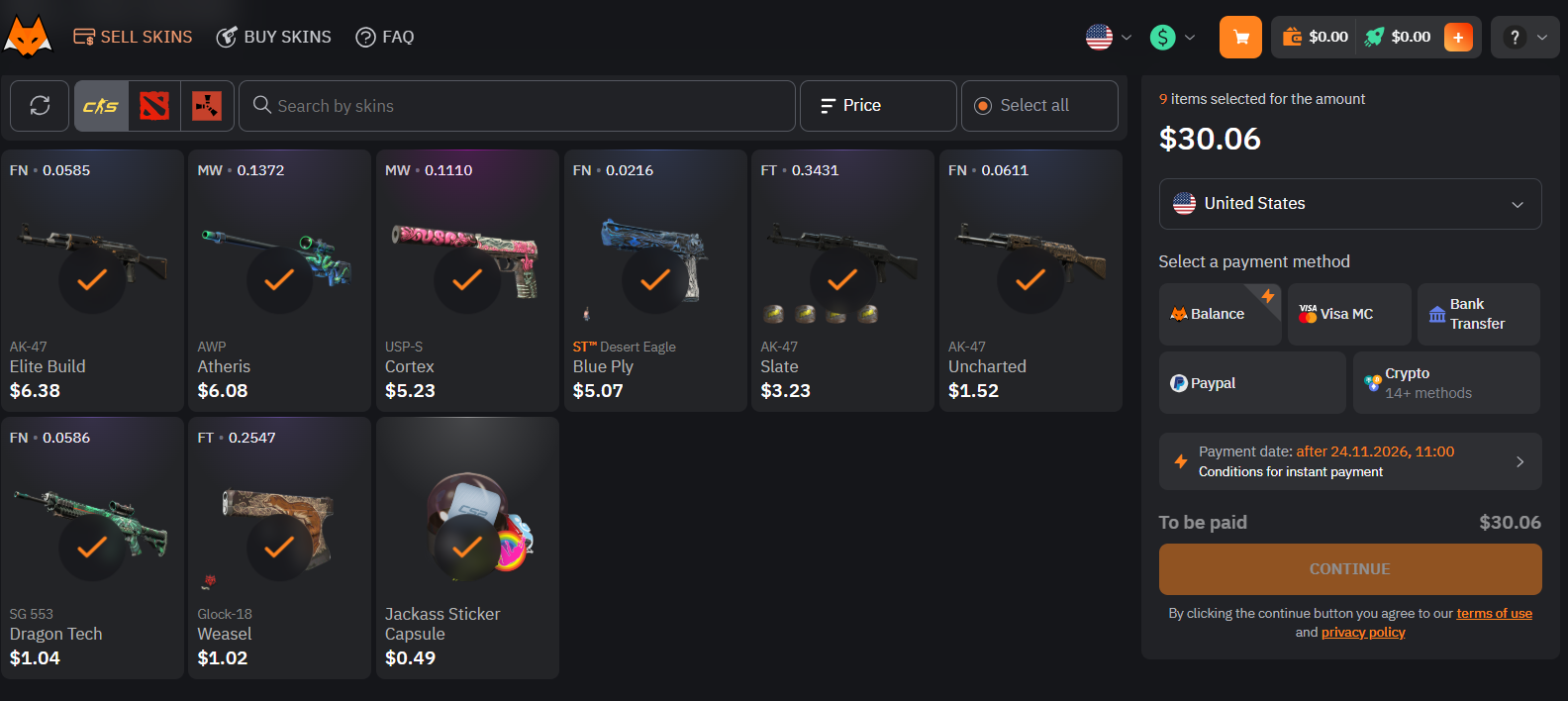
For a user, the instant model removes the waiting. Sell CS2 skins instantly on LIS-SKINS, for example, and the process takes minutes: sign in through Steam, see the price of each item before confirming, and cash out to a card, PayPal or one of more than 14 cryptocurrencies, or keep the balance and spend it right away.
In October 2025, Valve released an update that let players trade five Covert-grade skins for a knife or a pair of gloves. Items that had been scarce for a decade suddenly had a new, repeatable source. Estimates of the damage vary by tracker, but reports put the market's loss at somewhere between about $1.7 billion and $3 billion within roughly a day, and knife and glove prices fell sharply, by roughly 20% to 50% or more depending on the item.
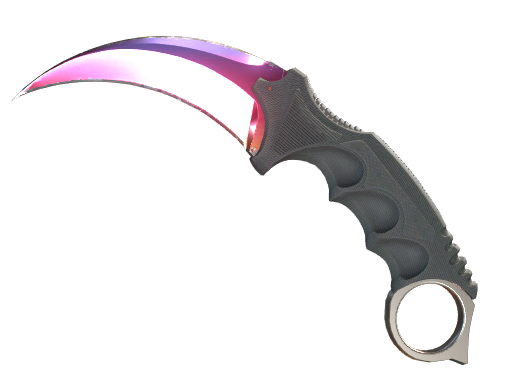
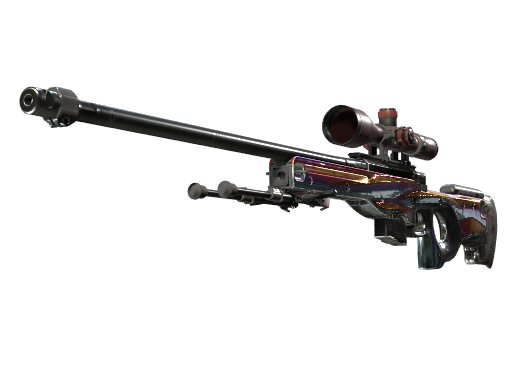
Images: all skin images are from the official Steam Community Market.
At the same time, the Covert skins that now served as "fuel" for knives jumped in value. The AWP | Chrome Cannon, one of the two Coverts in the Kilowatt Case, is a typical example: five of them can now be turned into a Kukri knife, so its price is tied to knife prices as much as to its own popularity. One rule change redistributed value across the whole catalogue overnight.
Earlier, in July 2025, Valve had introduced Trade Protection: items received in a trade are locked for seven days and cannot be sold during that period. It was designed to fight scams, but it also slowed down how fast items can change hands, which matters to every business that depends on liquidity.
Platform dependency is the main risk. Every business in this market runs on rules it does not control. A single patch can reprice inventory worth billions.
Trust is the product. Users hand over valuable items, so official Steam sign-in, two-factor protection and transparent pricing decide who wins.
Liquidity beats margin. Platforms that let people buy and cash out quickly keep users, even when the spread is small.
Scarcity is engineered. Value comes from rules about supply, not from the items themselves.
For players, the practical takeaway is simpler: treat skins as something to enjoy, not a guaranteed asset, and use platforms that make prices and payouts clear. LIS-SKINS covers CS2, Dota 2 and Rust items, with filters by weapon, wear, float and price, official Steam sign-in, 2FA-protected trades and fast delivery. And if an inventory has turned into dead weight, Sell CS2 skins there and turn it back into money you can actually use.
 AI tools to find & convert leads.
 Send emails at scale