
Professional partnerships are ditching legacy break-fix tech repairs for continuous oversight to prevent costly outages and protect sensitive client data. You can eliminate unpredictable downtime and secure confidential records by treating your technology infrastructure as a strategic business asset.
Running a knowledge-intensive firm means your revenue depends directly on billable hours and strict deadlines. When you rely on traditional break-fix IT support, you only call a technician after a server crashes or a workstation freezes, which triggers immediate operational chaos across your entire team.
Shifting to 24/7 proactive infrastructure oversight stops these emergencies before they disrupt your client work. By embracing continuous monitoring and strategic planning, your partnership can protect sensitive data, meet rising compliance mandates, and keep every billable hour productive.
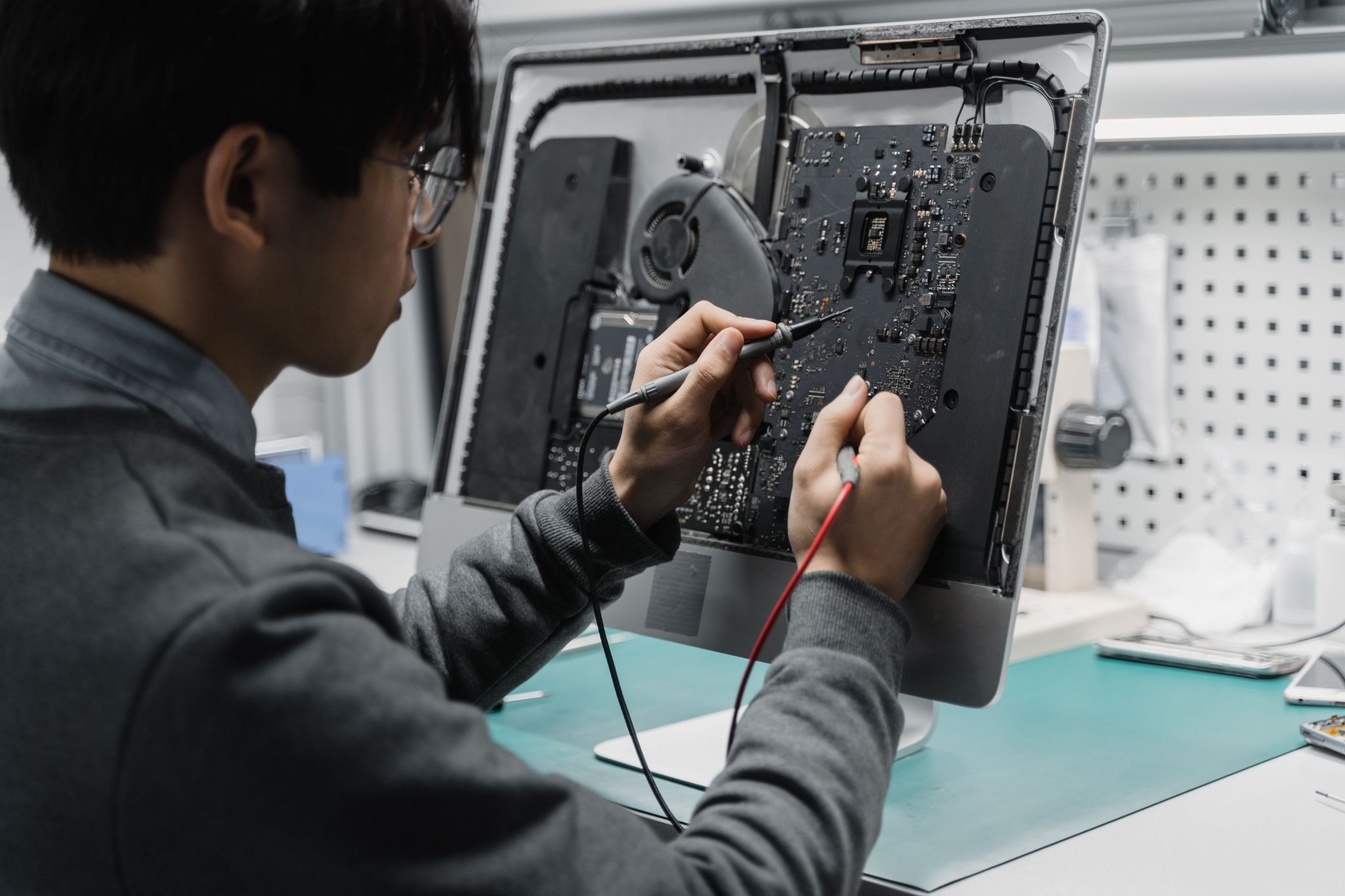
https://www.pexels.com/photo/man-fixing-a-computer-6754846/
Waiting for technology to fail before calling for help creates a deceptive illusion of cost savings. You might enjoy months without a support invoice, leading you to believe your current setup works just fine. When a major outage finally hits your network, the resulting repair bill is only a tiny fraction of what your firm actually loses.
Every minute your team spends locked out of document management systems or email servers drains revenue straight from your bottom line. Consider a mid-sized legal or financial advisory partnership where 20 professionals bill at an average rate of $350 per hour. A single 4-hour server outage costs your practice $28,000 in lost billable time alone, before you even pay an emergency technician to diagnose the hardware failure.
Beyond the immediate loss of billable hours, reactive downtime triggers a domino effect across your client commitments and internal schedules. When systems go dark right before a court filing deadline or a major merger closing, your staff faces intense stress and costly overtime to catch up.

Forward-thinking partnerships no longer view technology as a simple utility that only matters when the lights go out. Instead, managing partners treat their digital infrastructure as a core operational safeguard that drives efficiency and protects client trust. Research from Claremont McKenna College highlights how restructuring internal IT from a reactive break-fix utility into a consultative strategic partner allows organizations to use technology as a catalyst for broader institutional success.
Making this transition starts with continuous remote monitoring and management (RMM). Rather than waiting for a partner to report a slow computer or a failing server, automated sensors track hardware health, network traffic, and software performance 24/7. Technicians spot early warning signs - like a degrading RAID array or unusual login attempts - and resolve them quietly after hours before anyone on your team notices a slowdown.
Cybersecurity and regulatory compliance have become non-negotiable table stakes for modern professional partnerships. Corporate clients and regulatory bodies now scrutinize how you store, transmit, and protect sensitive intellectual property and financial records. Relying on sporadic maintenance leaves wide-open security gaps that attackers actively exploit.
When nobody watches your network around the clock, routine software updates and critical security patches often sit unapplied for weeks. Cybercriminals scan the internet continuously for these exact unpatched vulnerabilities, using automated tools to breach small and mid-sized firms that lack active defenses. According to guidance from CCI Training Center, effective IT security requires a proactive, layered, and collaborative approach that anticipates threats before they strike.
Busy partners and associates naturally look for the fastest way to share large files with clients and co-counsel. Without structured oversight, team members often resort to unapproved consumer cloud drives, personal email accounts, or unsecured mobile devices to keep projects moving.
Failing a client security audit can disqualify your partnership from lucrative corporate retainers overnight. Worse still, a data breach exposes your firm to breach-notification expenses, regulatory fines, and permanent reputational damage that takes years to repair.
Specialized practices face unique software demands, from complex e-discovery platforms to strict ethical wall requirements that separate client data. Rather than scrambling when server bottlenecks occur, growing practices rely on dedicated IT services for law firms to maintain multi-layered security protocols, active cloud backups, and round-the-clock system stability. Having engineers who already understand your specific practice management software cuts troubleshooting times dramatically and prevents routine updates from breaking critical workflows.
Even the best hardware eventually wears out, and severe weather or regional power outages can knock out an office without warning. A proactive architecture pairs local server redundancy with immutable, encrypted cloud backups that copy your data automatically throughout the day. If ransomware strikes or a primary server fails, your team can spin up virtualized systems in the cloud within minutes rather than waiting days for replacement parts.

https://www.pexels.com/photo/a-person-holding-a-soldering-iron-6754838/
Day-to-day maintenance keeps your current systems running smoothly, while strategic planning prepares your firm for what comes next. A virtual Chief Information Officer (vCIO) works directly with your managing partners to build a multi-year technology roadmap tailored to your firm's financial goals.
Your vCIO tracks the age and warranty status of every laptop, firewall, and server across your offices. Instead of facing a sudden wave of dying computers, you get a predictable schedule for replacing aging equipment before performance drops.
Opening a new branch office or onboarding a lateral partner group requires seamless network integration and rapid license provisioning. Insights from the University of San Diego note that fully outsourced IT gives growing organizations predictable costs and operational simplicity without sacrificing enterprise-grade capability. Your vCIO coordinates these transitions ahead of time so new team members can bill hours from their very first morning.
Your technology infrastructure should operate as a quiet, reliable engine that supports every client engagement and protects your firm's hard-earned reputation. By leaving unpredictable break-fix repairs behind in favor of continuous oversight and strategic vCIO planning, you free your partners to focus entirely on serving clients and growing your practice.
 AI tools to find & convert leads.
 Send emails at scale