In today's fast-paced digital landscape, the ability to effectively manage and verify email addresses is crucial for businesses aiming to maintain a competitive edge. This comprehensive guide explores the concept of white label email verification solutions, offering insights into their significance in digital marketing and how they can enhance your business model. Readers will discover the essential features to consider when choosing email verification software and learn how to compare popular solutions to find the best fit for their needs. Additionally, the article delves into the cost-effectiveness of reselling these services and provides practical advice on integrating them into existing systems. With sections dedicated to marketing strategies, real-world applications, and measuring campaign success, this guide is an invaluable resource for businesses looking to optimize their email marketing efforts while navigating the complexities of legal compliance and future trends.
White label email verification software allows businesses to offer email verification services under their own brand. This software is typically designed to ensure that email addresses are valid and active, reducing the likelihood of bounced emails and improving delivery rates. By integrating this service into their offerings, companies can enhance their product portfolio without investing in developing their own technology.
The primary benefit of using white label solutions is that they enable companies to quickly enter the market with a ready-made product. This approach can save time and resources while allowing businesses to focus on customer acquisition and retention. Additionally, offering email verification services can lead to improved customer satisfaction, as clients experience fewer issues with undeliverable emails.
One common mistake businesses make is choosing a white label solution based solely on price. While cost is an important factor, it is crucial to consider the software's accuracy, ease of integration, and support services. A low-cost solution may not provide the necessary features or reliability, ultimately affecting your brand's reputation.
When evaluating white label email verification software, consider factors such as scalability, customization options, and compliance with data protection regulations. Scalability ensures the software can handle increasing volumes of email verifications as your business grows. Customization options allow you to tailor the service to meet specific client needs, while compliance with regulations like GDPR is essential for maintaining trust and avoiding legal issues.
Understanding white label email verification software is crucial, as it directly relates to the effectiveness of email verification in digital marketing, influencing campaign success and customer engagement.
Email verification is a crucial step in digital marketing that ensures the accuracy and validity of email addresses in your database. By verifying email addresses, businesses can reduce bounce rates, improve deliverability, and maintain a clean sender reputation. This process involves checking whether an email address is correctly formatted, exists, and is capable of receiving emails.
For example, a marketing campaign sent to a list with unverified emails might result in a high number of undelivered messages, wasting resources and potentially damaging the sender's reputation. Therefore, integrating email verification into your marketing strategy helps in optimizing the overall effectiveness of your campaigns.
To effectively implement email verification, businesses should start by selecting a reliable service that offers comprehensive verification features. When choosing a service, consider factors such as accuracy, speed, and pricing. Some services offer real-time verification, which is ideal for capturing leads on websites and ensuring immediate data accuracy.
Once a service is selected, integrate it with your current email marketing platform. This integration allows for seamless verification and helps maintain a clean database. Regularly monitor the performance of your email campaigns to assess the impact of verification. Look for improvements in open rates, click-through rates, and reductions in bounce rates as indicators of success.
By using white label email verification software to resell, businesses can also offer these services to clients, adding value and generating additional revenue streams. This approach not only enhances your service offerings but also strengthens client relationships by helping them achieve better marketing outcomes.

White label solutions allow businesses to offer products and services under their own brand without the need to develop them from scratch. This approach is particularly beneficial in the email verification industry, where developing robust software requires significant resources and expertise. By leveraging white label solutions, businesses can quickly enter the market with a fully functional product, saving both time and money.
One of the main advantages of using white label email verification software is the ability to maintain brand consistency. This means that your customers interact with your brand at every touchpoint, enhancing brand loyalty and recognition. Additionally, white label solutions often come with ongoing support and updates, ensuring that your offering remains competitive and up-to-date.
While white label solutions offer numerous benefits, there are common mistakes that businesses should avoid. One frequent error is failing to thoroughly vet the software provider. It's crucial to select a provider with a proven track record and reliable support services. This ensures that any technical issues can be swiftly addressed, minimizing disruption to your business operations.
Another pitfall is neglecting to customize the product to align with your brand's identity. Simply using a generic solution without personalization can dilute your brand's uniqueness. Ensure that the software allows for sufficient customization options, such as branding elements and user interface adjustments, to provide a seamless brand experience.
To successfully integrate a white label solution into your business model, consider the following steps:
By following these steps, you can effectively leverage white label solutions to enhance your business model and drive growth.

Readers deciding on Key Features to Look for in Email Verification Software need clear criteria before acting. The practical signals around Key Features to Look for in Email Verification Software are what change the decision.
A concrete example or scenario for Key Features to Look for in Email Verification Software helps compare real options.
Tradeoffs and constraints change which recommendation fits Key Features to Look for in Email Verification Software.
Understanding the key features of email verification software is essential as we move on to compare the various popular white label solutions available in the market today.
When evaluating white label email verification solutions, it's essential to understand the core features and capabilities that align with your business needs. Solutions typically offer a range of functionalities, such as real-time verification, bulk email checks, and integration capabilities with existing systems. It's crucial to assess these features in the context of your specific requirements to ensure a seamless fit.
Additionally, consider the scalability of the software. As your business grows, the chosen solution should be able to handle increased volumes of email verifications without compromising on speed or accuracy. This is particularly important for businesses anticipating rapid growth or seasonal spikes in email activity.
One common mistake businesses make is focusing solely on the price of the software, neglecting other critical factors like support and ease of integration. While cost is an important consideration, it's equally vital to evaluate the customer support offered by the provider. Reliable support can significantly impact your ability to resolve issues quickly and maintain operational efficiency.
Another key aspect is the software's ability to integrate with your existing systems. Seamless integration can save time and reduce the complexity of managing multiple platforms. Before committing, ensure that the solution is compatible with your current infrastructure and can be easily integrated without requiring extensive technical adjustments.
To make an informed decision, consider setting up a trial period to test the solution's effectiveness and user experience. This hands-on approach allows you to evaluate the software's performance and identify any potential limitations before making a long-term commitment.
For a comprehensive guide on other software options that might suit your needs, visit Top 6 White Label Email Finder Software For Agencies In 2026.
| Feature | Importance |
|---|---|
| Real-Time Verification | High |
| Bulk Email Checks | Medium |
| Integration Capabilities | High |
| Scalability | High |
| Customer Support | High |
Understanding the various solutions available is essential, but it is equally important to assess their cost-effectiveness when considering reselling email verification services.
Before diving into reselling email verification services, it's crucial to understand the initial investment and ongoing costs associated with this venture. You should assess the pricing models of potential software providers. Some providers offer tiered pricing based on the number of verifications, while others might have a flat monthly fee. For instance, a service might charge $0.005 per verification with volume discounts, or offer a monthly plan starting at $100 for up to 20,000 verifications. Understanding these costs will help you determine your pricing strategy and profit margins.
Additionally, it's important to evaluate the scalability of the service. As your client base grows, you need a solution that can handle increased demand without compromising performance. Ensure that the provider can support your growth and offer competitive pricing as your needs expand.
One common mistake is underestimating the hidden costs associated with reselling email verification services. These can include integration fees, customer support costs, and potential penalties for exceeding usage limits. It's essential to read the fine print and have a clear understanding of what is included in the pricing package.
Another pitfall is failing to conduct a thorough market analysis. Before setting your prices, research the competition to ensure your pricing is competitive yet profitable. This involves understanding the market demand and the value your service offers compared to others.
| Provider | Pricing Model | Scalability |
|---|---|---|
| Provider A | $0.005 per verification | High, with volume discounts |
| Provider B | $100/month for 20,000 verifications | Moderate, limited by monthly cap |
Understanding the cost-effectiveness of reselling email verification services lays the groundwork for successfully integrating these solutions into your existing systems, ensuring a seamless implementation process.
Before integrating white label email verification software into your existing systems, it's crucial to understand the technical requirements and compatibility factors. Most software solutions require specific API configurations, so ensure your current system can accommodate these. Additionally, assess whether the software supports the volume of emails your business handles daily.
Another important consideration is data security. Verify that the email verification software complies with relevant data protection regulations, such as GDPR or CCPA, to safeguard sensitive information. Ensuring compliance not only protects your customers but also enhances your business's credibility.
One common mistake businesses make is neglecting to test the integration in a sandbox environment before going live. This oversight can lead to disruptions in service and potential data loss. Always conduct thorough testing to identify and resolve any issues.
Another frequent error is failing to train staff on the new system. Without proper training, employees may struggle to use the software effectively, leading to inefficiencies and errors. Provide comprehensive training sessions and resources to ensure a smooth transition.
To integrate email verification software successfully, follow these practical steps:
By following these steps, you can ensure a seamless integration process. For more detailed guidance on implementing solutions, refer to this comprehensive guide.
Integrating white label email verification software to resell can significantly enhance your service offerings, provided you approach the process with careful planning and execution.

As you integrate white label email verification software into your systems, understanding how to effectively market these services becomes essential for maximizing their potential.
Before diving into marketing strategies, it's crucial to understand the core concepts of selling white label email verification services. These services allow businesses to offer email verification under their own brand, providing a seamless customer experience. The primary goal is to enhance the client's email deliverability and reduce bounce rates, which is essential for maintaining a strong sender reputation.
When selecting a platform to resell, consider factors such as integration capabilities, pricing models, and the accuracy of the verification process. For instance, tools like ZeroBounce and NeverBounce are popular choices due to their high accuracy rates and robust API integrations. However, each comes with its tradeoffs: ZeroBounce offers comprehensive data appending features, while NeverBounce is known for its competitive pricing.
Many businesses make the mistake of not clearly defining their target audience, which can lead to ineffective marketing campaigns. It's essential to identify businesses that rely heavily on email marketing, such as e-commerce and digital agencies, as they are more likely to benefit from email verification services.
Another common pitfall is neglecting to provide adequate customer support. Ensuring that your team is well-versed in the technical aspects of the service can prevent customer dissatisfaction. Additionally, failing to differentiate your offering from competitors can hinder your marketing efforts. Highlight unique features of your chosen platform, such as ZeroBounce's data protection compliance or NeverBounce's real-time verification capabilities.
To effectively market your white label email verification services, start by developing a compelling value proposition that resonates with your target audience. Use case studies and testimonials to demonstrate the tangible benefits of your service, such as improved email campaign performance and cost savings.
Implement a multi-channel marketing strategy that includes email campaigns, social media outreach, and content marketing. Creating informative blog posts or webinars about the importance of email verification can position your brand as an industry expert. Additionally, consider offering free trials or demos to attract potential clients and showcase the effectiveness of your service.
Regularly evaluate your marketing efforts by tracking key performance indicators such as customer acquisition costs, conversion rates, and customer retention. Adjust your strategies based on these metrics to ensure continuous improvement and sustained growth.
| Tool | Key Feature | Pricing |
|---|---|---|
| ZeroBounce | Data Protection Compliance | Pricing unclear |
| NeverBounce | Real-Time Verification | Pricing unclear |
Understanding best practices for marketing white label email verification services sets the stage for exploring how these solutions can be effectively applied in real-world business scenarios.
Email verification is a critical process that ensures the accuracy and validity of email addresses collected by businesses. This process not only helps in maintaining a clean email list but also improves deliverability rates, which is crucial for successful marketing campaigns. By verifying email addresses, businesses can significantly reduce bounce rates, thereby enhancing their sender reputation.
For instance, a retail business launching a new product line can use email verification to ensure their promotional emails reach genuine customers. This targeted approach increases the likelihood of engagement and conversion. Understanding the importance of email verification helps businesses make informed decisions and optimize their email marketing strategies.
One common mistake businesses make is neglecting regular email verification, leading to outdated or incorrect data. This oversight can result in wasted resources and ineffective campaigns. To avoid this, businesses should implement a routine verification schedule, ensuring their email lists are consistently updated and accurate.
Another pitfall is relying solely on free verification tools, which may not offer comprehensive results. Investing in a robust verification solution can provide more accurate data, ultimately saving time and enhancing marketing effectiveness. Businesses should evaluate their needs and choose a solution that offers the best balance between cost and accuracy.
After implementing email verification, it's essential to assess its impact on your business operations. Key metrics to monitor include bounce rates, open rates, and conversion rates. A significant decrease in bounce rates typically indicates successful verification efforts.
Businesses can also measure the return on investment by analyzing the cost savings from reduced email bounces and increased engagement. This evaluation helps in refining strategies and ensuring that the chosen verification approach aligns with business objectives.
| Metric | Before Verification | After Verification |
|---|---|---|
| Bounce Rate | 15% | 5% |
| Open Rate | 20% | 35% |
| Conversion Rate | 2% | 4% |
Understanding the real-world applications of email verification is essential, as it directly influences how we measure the impact of these tools on the success of marketing campaigns.
Before implementing email verification, it's crucial to understand the key metrics that will help measure its impact. These include email deliverability rates, open rates, and conversion rates. Email deliverability rates often increase when invalid or risky addresses are removed from your list, leading to a more engaged audience. Open rates can also improve as a result of better deliverability, ensuring your messages reach the intended inbox rather than the spam folder.
Conversion rates are another important metric, reflecting how well your email campaigns achieve their intended goals, such as sales or sign-ups. By focusing on these metrics, you can establish a baseline to compare against post-verification performance, providing a clear picture of the verification process's effectiveness.
A frequent mistake is neglecting to regularly update and clean email lists, which can lead to inaccurate results and wasted resources. To avoid this, schedule regular verification checks, typically every few months, to maintain a healthy email list. Another common error is not segmenting email lists post-verification. By segmenting your audience based on engagement levels, you can tailor your messaging to different groups, enhancing the effectiveness of your campaigns.
Additionally, some businesses fail to monitor the long-term impact of email verification. It's essential to track changes over time to ensure that improvements are sustained. By avoiding these pitfalls and continuously refining your approach, you can maximize the benefits of email verification for your campaigns.
Understanding the impact of email verification on campaign success is crucial, especially when considering the legal and compliance aspects that must be navigated to ensure responsible use of these tools.
Before engaging in email verification, it's crucial to grasp the legal and compliance requirements that apply. These regulations are in place to protect consumer privacy and promote ethical marketing. Key laws to be aware of include the General Data Protection Regulation (GDPR) in Europe and the CAN-SPAM Act in the United States. Both require businesses to obtain explicit consent from users before sending emails and mandate clear opt-out options.
Non-compliance with these regulations can lead to severe penalties. For example, GDPR violations can result in fines up to €20 million or 4% of annual global turnover, whichever is higher. Thus, understanding these laws is essential for anyone involved in email verification.
Businesses often make the mistake of not updating their privacy policies to reflect the use of email verification tools. It's vital to communicate clearly how user data is collected, processed, and stored. Regular audits are also necessary to ensure compliance with evolving regulations.
Another common error is failing to obtain proper consent. Under GDPR guidelines, pre-checked boxes for newsletter sign-ups are inadequate. Businesses should implement clear, affirmative consent methods and maintain records of these consents for auditing purposes.
By addressing these common issues, businesses can avoid costly fines and maintain trust with their audience, ensuring their email marketing efforts are both effective and compliant.
As the landscape of email verification continues to evolve, understanding the implications of legal and compliance issues becomes increasingly important, paving the way for future trends in white label email verification solutions.
As the landscape of email verification continues to evolve, understanding the core features and benefits of emerging trends is crucial. Businesses need to assess how these innovations align with their strategic goals. For example, the integration of AI-driven analytics can enhance the accuracy of email verification, but it requires a careful evaluation of technical capabilities and resource allocation. Companies should consider whether their current infrastructure can support such advancements or if additional investments are necessary.
Another consideration is the scalability of new solutions. As businesses grow, their email verification needs will expand, and adopting a solution that can scale efficiently is essential. This means evaluating the software's ability to handle increased data volumes without compromising performance. Companies should also be mindful of the potential need for ongoing training and support as new technologies are integrated into their operations.
One of the most common mistakes when adopting new email verification solutions is underestimating the time and resources required for a successful implementation. Businesses often rush to integrate new technologies without a comprehensive plan, leading to disruptions in service and potential data inaccuracies. To avoid these pitfalls, it is crucial to develop a detailed implementation strategy that includes timelines, resource allocation, and risk management measures.
Furthermore, businesses should be cautious about over-reliance on a single solution. While a particular tool may offer cutting-edge features, diversifying verification methods can provide a more robust defense against evolving email threats. Companies should regularly review and update their strategies to ensure they remain effective in the face of new challenges.
In conclusion, white label email verification software presents a strategic opportunity for businesses to enhance their digital marketing efforts and expand their service offerings under their own brand. By understanding the core concepts and benefits of white label solutions, companies can effectively reduce email bounce rates and improve deliverability, which are crucial for maintaining a strong sender reputation. This guide has detailed the importance of selecting software with robust features such as real-time verification and integration capabilities, and the necessity of evaluating cost-effectiveness before reselling. It also emphasizes the significance of legal compliance, ensuring that businesses adhere to regulations like GDPR to protect consumer privacy. As trends in email verification evolve, integrating advanced analytics and AI can further refine these solutions, aligning them with future market demands. For businesses seeking to leverage these insights, the next step is to carefully compare available solutions against their specific needs and begin integrating the most suitable software into their existing systems.
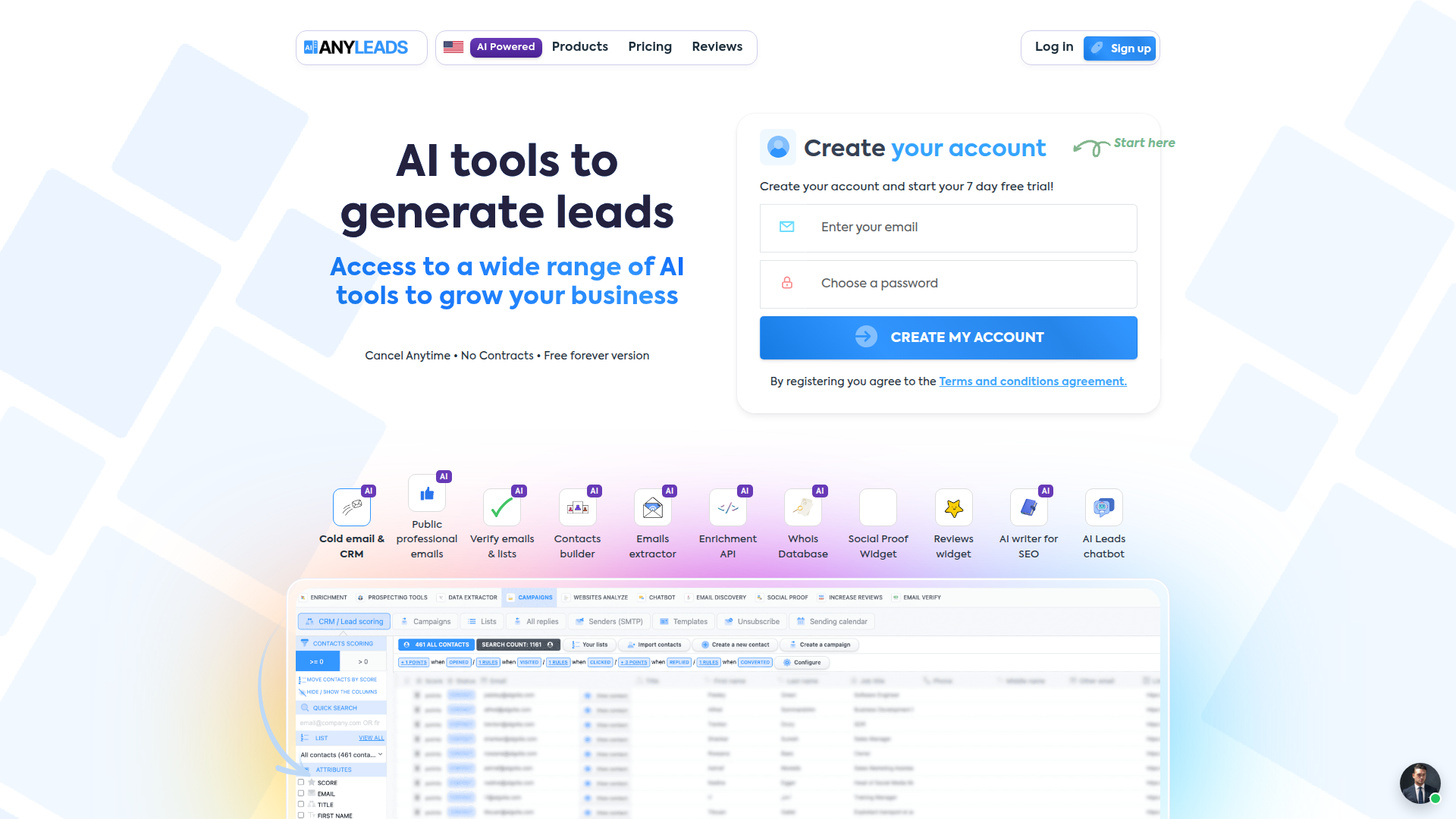
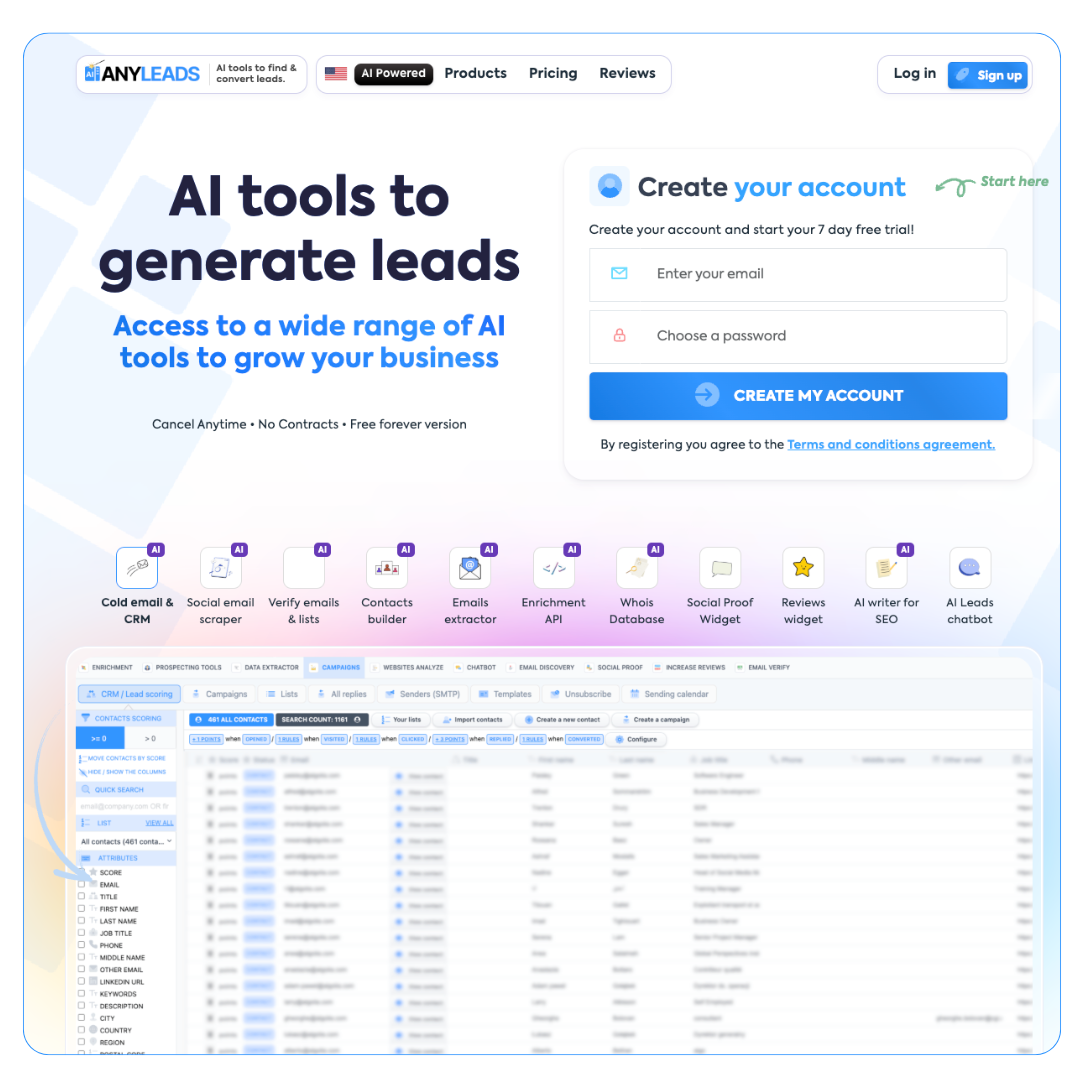
Anyleads is your go-to solution for mastering lead generation with its cutting-edge AI tools and comprehensive features. Whether you're a startup or a large enterprise, Anyleads offers automated outreach, email verification, and data enrichment to streamline your marketing efforts. By optimizing engagement metrics, sales teams and marketers can enhance their prospecting strategies and boost conversion rates effectively. Discover how Anyleads can transform your business journey today. Explore Anyleads to elevate your strategy!
 AI tools to find & convert leads.
 Send emails at scale