
A sales rep can open a call with a complete CRM record and still lack a reason for the conversation to matter today. The missing context may be a new executive, a funding announcement or a change in hiring plans, scattered across public sources rather than stored in a contact field. For B2B teams, the challenge is to find that context without repeating the same search for every prospect.
Consider a rep preparing for five account conversations. The CRM provides names, past activity and deal notes. To understand what has changed, the rep checks company websites, professional profiles, news coverage and job postings. Some searches turn up useful information, while others produce old announcements or changes unrelated to the planned pitch. The work is necessary, but the routine is difficult to repeat consistently across a growing pipeline.
Some industry estimates put manual prospect research at roughly 20 percent, or one fifth, of a sales professional’s working week. That is a commonly cited estimate, not a universally verified figure: the time varies by role and by what each team counts as research. The operational cost is easier to see than any single percentage: time spent gathering and sorting information is time unavailable for deciding which accounts deserve attention. An agency business development team faces the same constraint when several pitches need preparation at once. Adding prospects to the pipeline can increase the research burden before it creates more useful conversations.
The problem is not that reps should stop researching. A contact name and email address do not explain an organization’s current priorities. The problem is that discovery often starts from scratch, even when the same account appeared in last week’s searches. A better process preserves the value of human preparation while reducing the need to reopen familiar tabs, reconstruct a timeline and decide repeatedly whether an isolated finding matters.
Reactive research begins when a meeting appears on the calendar or a rep is ready to send an email. Proactive monitoring reverses that sequence: a relevant public change prompts the team to examine an account before the next outreach decision. A leadership appointment could warrant a fresh look at decision makers. A funding round might prompt questions about planned expansion. A cluster of job postings could suggest that a team is building capacity in a particular function. None of these signals proves buying intent, but each can give a seller a more useful question to investigate.
CRM data remains essential. It records relationships, prior conversations and the commitments a team has already made. Public web signals add a different layer: recent context that may not yet appear in those records. Bringing the two together helps prevent a common mistake, approaching a company as though its circumstances have not changed since the last interaction. It also helps teams avoid treating every news item as a reason to pitch. The date, source and connection to the account’s actual needs still matter.
Real time web monitoring is often discussed as a way to keep account context current, but monitoring need not mean that every public event reaches a rep the instant it occurs. A monitoring process can collect developments over time, while on-demand briefs prepared before a particular call can assemble a more focused account view. That distinction matters when setting expectations. The useful shift is from searching broadly under time pressure to reviewing a narrower set of timely findings, then checking the strongest ones against the relationship history before making contact.

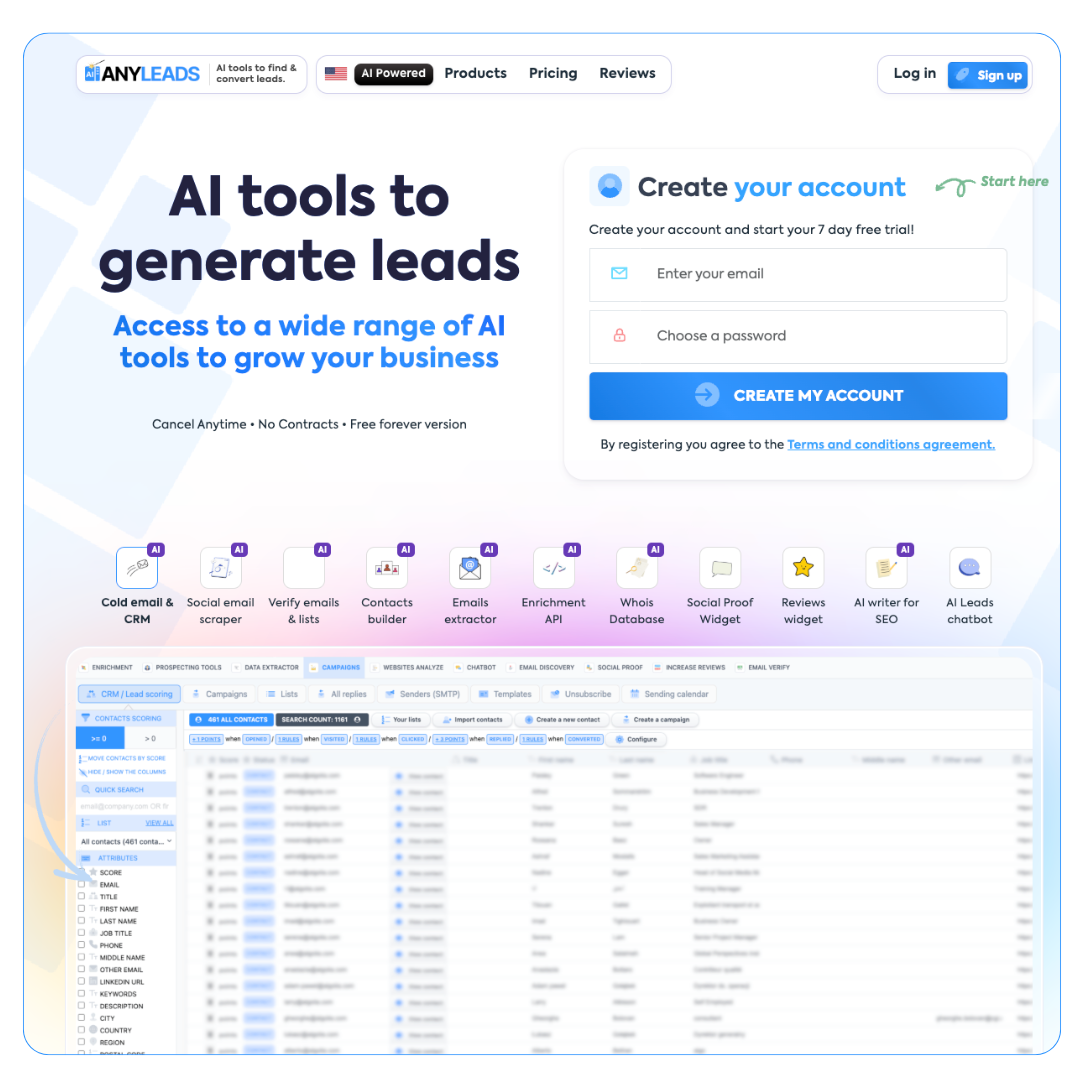
An automated lead intelligence engine becomes useful when it turns collected signals into a workable preparation sequence, rather than another stream of alerts. Peregrine Intelligence, for example, can serve as an intelligence layer before outreach. It brings together ready-to-use strategic context for preparation before a call, which can reduce hours of repeated manual research. A business development team can review developments surfaced through monitoring or assemble focused context when a specific account or contact moves up the priority list.
The next step is interpretation. Suppose a prospect has appointed a new marketing leader and is hiring for several related roles. A brief can bring those findings together, but the rep must decide whether they relate to the service being offered. The rep can then check which stakeholders are already known, look for recent conversations in the CRM and form a tentative opening question. If the findings do not support a clear connection, the right response may be to keep monitoring rather than force a personalized message.
A contact overview might summarize relevant signals and suggest questions to consider, while a fuller account brief could bring together stakeholders and potential next steps. Automation can also categorize contacts into behavioral archetypes as working hypotheses, helping a rep adapt the framing and tone of a pitch to the contact. A rep might consider leading with operational detail for one contact and a broader commercial question for another. These categories are not a substitute for what the person has actually said, and they do not guarantee that a pitch will succeed.
That is the distinction between personalization at scale and mass outreach with a company name inserted. Contact discovery and data enrichment help teams identify whom they can reach. Signal-based preparation helps them consider why an approach might be relevant now and what they should ask. Automated suggestions are most useful when a person checks the underlying context, removes unsupported assumptions and writes an opening that sounds appropriate to the relationship.
Reducing repetitive research creates an opportunity for business development efficiency, not an automatic productivity gain. Teams need to decide where the recovered attention should go. One useful destination is account selection: comparing fresh signals with the team’s ideal customer criteria and existing relationships before adding another prospect to an outreach sequence. Another is pitch development: identifying the specific problem a service might address, the stakeholder who may care about it and the question that would test the hypothesis in conversation.
A repeatable preparation routine can be brief without being superficial. Start with the strongest recent signal and verify its date and source. Check whether it changes anything about the account’s likely priorities. Review the CRM for previous discussions, map the people involved and draft an opening question that invites the prospect to explain their situation. After the call, record what was learned so the next conversation begins with a better foundation. This keeps the intelligence layer ahead of the call while leaving judgment with the seller.
Managers can make that routine more useful by reviewing the quality of prepared conversations, not simply the number of alerts collected. Did the signal lead to a relevant question? Was the suggested stakeholder the right person? Did the team learn something that changed its account plan? Answers to those questions can improve the criteria used to prioritize future findings. They also discourage a familiar failure of sales automation: producing more activity without making outreach more thoughtful.
For B2B teams in 2026, preparation is becoming a standard part of effective business development, but it does not have to mean hours of manual searching before every call. Monitoring can surface changes worth examining, and focused briefs can organize context when a conversation approaches. The strongest workflow joins those capabilities to CRM history and human review. Reps spend less effort assembling scattered facts and more effort deciding what those facts mean for the person they are about to meet.
 AI tools to find & convert leads.
 Send emails at scale